
Vandaag of morgen in huis

Kwaliteit gegarandeerd

Welkomstaanbiedingen ontgrendelen: GRATIS bezorging | Tot 80% korting | Gratis 30 dagen JoyPlus-proefperiode
Download de app
A beautiful Japanese tableware set can turn an everyday meal into a thoughtfully laid table. It’s worth looking beyond the pattern or attractive product photos, though. Japanese ceramic tableware can vary considerably in capacity, recommended use and care requirements.
Look out for these three common pitfalls:
By checking the details in advance, you can choose Japanese tableware with confidence for everyday use, as a gift or for a particular meal.
Capacity determines what a bowl is best suited to. For a small serving of rice, Japanese rice bowls in a compact size are usually enough. For ramen, soup or pasta, you’ll need more room and a wider shape.
When comparing products, check:
A product name that includes “ramen bowl” or “noodle bowl” doesn’t always tell you enough. Always check the stated capacity and dimensions.
Ceramic is made from clay fired at a high temperature and often finished with a layer of glaze. A smooth interior is generally easier to clean. A textured exterior can provide a better grip, but may need to be washed by hand with care.
When choosing ceramic bowls, Japanese plates and ceramic serving dishes, consider the following:
According to the product information, the TEANAGOO tea cups have a textured exterior and a smooth interior. The manufacturer also states that the cups are free from lead and cadmium. Check the details for each product, as these features don’t automatically apply to all ceramic products.
The words “suitable for everyday use” don’t automatically mean a product can go in the oven or microwave. Look for specific guidance such as microwave-safe, dishwasher-safe or not suitable for oven use.
Also bear in mind:
Some ceramic tea cups are listed as suitable for the dishwasher and microwave, but hand-washing is recommended to keep the texture looking its best for longer. This is a practical difference to look out for when comparing Japanese tea cups.
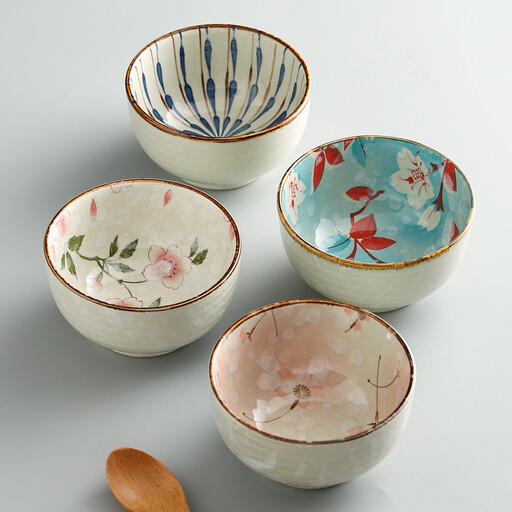
Why it suits this need: A set of four Japanese rice bowls is a sensible starting point for households looking to add to their existing tableware a little at a time. The different styles bring variety to the table.
The product name makes it clear that these are intended as rice bowls. Before buying, check the exact capacity and dimensions on the product page.
Four pieces in the assortment and four styles according to the product title; suitable for rice, side dishes and small portions.
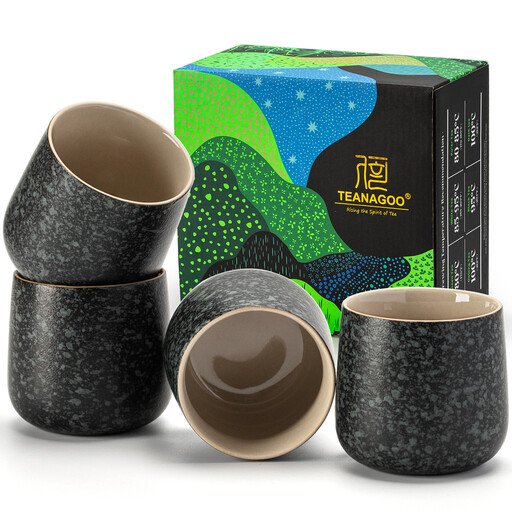
Why it suits this need: Tea lovers get a set of four 205 ml handleless cups, with a smooth interior and a textured exterior.
The specifications include the capacity, material and care instructions. Hand-washing is recommended to preserve the textured exterior.
Four 205 ml porcelain ceramic cups; according to the product information, suitable for the microwave, dishwasher, oven and freezer.
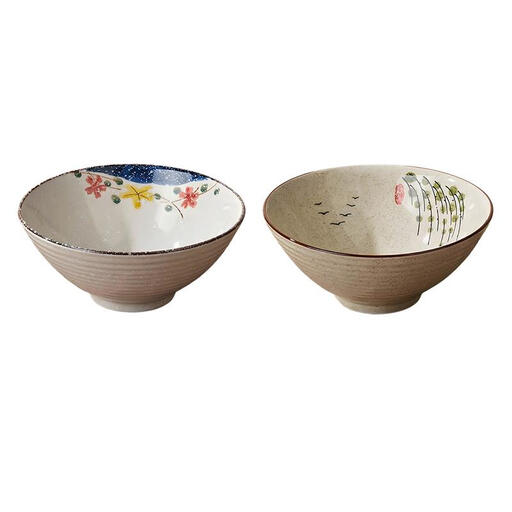
Why it suits this need: These generously sized bowls are designed for ramen, pasta, soup, salad and hearty rice dishes. They’re a good fit for families, keen cooks and food-service use.
At 1,200 ml per bowl, it’s clear these aren’t small rice bowls. The product information also states that the bowls aren’t intended for use in an oven or on a hob.
Set of two 1,200 ml bowls; underglaze pattern according to the product information, and suitable for the microwave and dishwasher.
We’ve put together a complete, up-to-date list of products that meet these strict selection criteria and the applicable European safety requirements.
Use this quick checklist:
For a gift, you could pair a set of Japanese handleless tea cups with a separate tea bowl or ceramic spoon. For a complete table setting, a Japanese tableware set with matching plates and different types of bowls is more practical than buying individual decorative pieces.
It depends on the product. Always check the guidance on microwave and dishwasher use, as well as temperature changes. A smooth interior is usually easier to clean, while a textured finish or hand-washing instructions may mean extra care is needed.
Choose a deep Japanese noodle bowl or ramen bowl with enough capacity for broth, noodles and toppings. According to the product information, each of the YumiPLUS bowls in this selection has a capacity of 1,200 ml. Check the diameter and height too, so the bowl sits comfortably on the table.
Yes, if you’re serving small amounts of tea and holding the cups at the sides. Do take care with the temperature of the drink and follow the care instructions. Models with a capacity of 160 ml or 205 ml are suitable for a small cup of tea, but the manufacturer’s specific instructions should always take priority.
