
Vandaag of morgen in huis

Kwaliteit gegarandeerd

Welkomstaanbiedingen ontgrendelen: GRATIS bezorging | Tot 80% korting | Gratis 30 dagen JoyPlus-proefperiode
Download de app
Whether you've seen them on social media, in anime, or are just curious, the world of Japanese candy is fascinating. The packaging is colorful, and the flavors are often a world away from what we're used to. But buying Japanese candy online can also be a challenge. How can you be sure you're getting what you expect?
As a Joybuy Product Recommendation Officer, I'll help you cut through the marketing jargon. We'll look at the common pitfalls and what to watch out for, so you can make a choice that truly suits your taste.
Before you fill your shopping cart, it's good to be aware of a few common misconceptions. This will help you avoid disappointment.
To make the right choice, it's helpful to focus on a few concrete product features. These specifications give you a much better idea of what to expect than the marketing on the package.
Texture is one of the most distinctive features of Asian candy. Pay attention to the description to know what you're getting:
Japanese flavors go far beyond just sweet. Be prepared for a broad palette:
To help you get started, we've selected a few products that cater to different tastes and preferences.
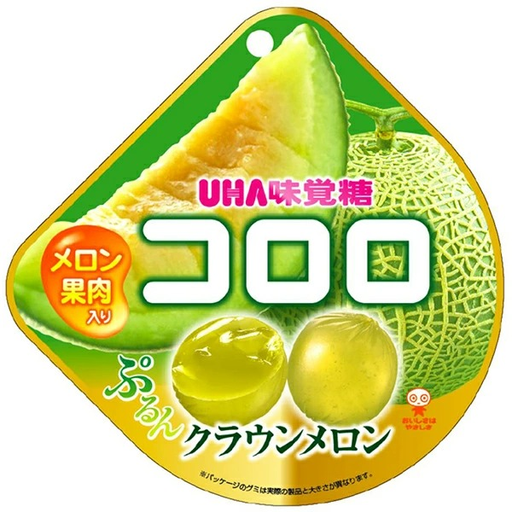
Why This Fits Their Persona: Perfect for those seeking a unique texture. This gummy feels almost like a real, juicy piece of fruit and is completely different from the gummies you're used to.
The product description is clear about the "unique, chewy texture" and the presence of melon pulp pieces. No unexpected surprises here.
Made with concentrated fruit juice and real fruit pulp for an intense and authentic melon flavor.
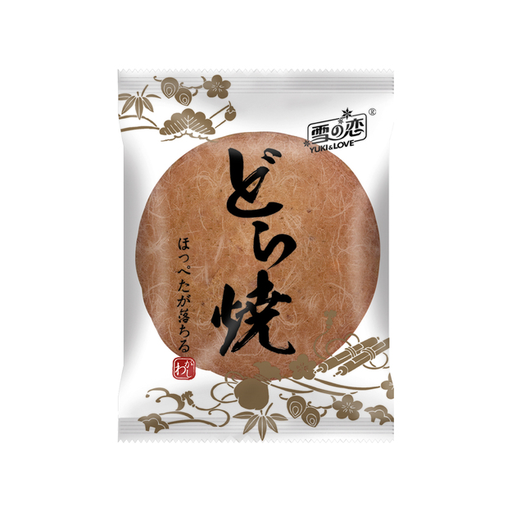
Why This Fits Their Persona: For those looking for an authentic Japanese snack experience. Dorayaki is an iconic classic, perfect with tea or coffee.
This is a traditional product, not a vague "Japanese style" imitation. The description is clear: two soft cakes with a sweet red bean paste filling.
A soft, fluffy texture combined with a traditional, not overly sweet red bean paste filling.
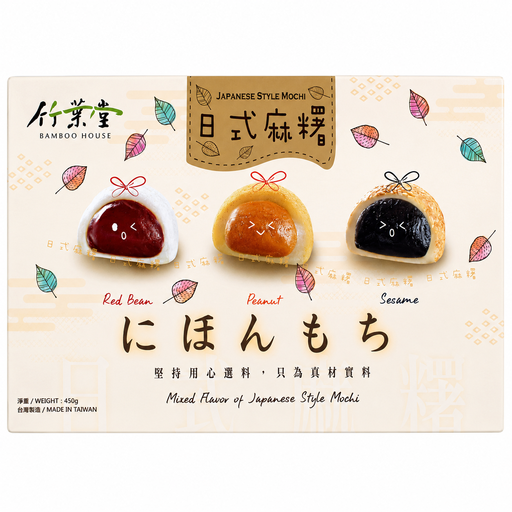
Why This Fits Their Persona: Ideal for anyone trying mochi for the first time or who simply loves variety. This mixed box introduces you to several classic fillings.
By offering a mix of flavors (red bean, peanut, sesame, matcha), you reduce the risk of buying a whole pack of a flavor you might not enjoy.
A large package (450g) with a variety of flavors. The base of glutinous rice flour ensures the authentic, soft, and chewy mochi texture.
This is just a small selection. We have compiled a complete and up-to-date overview of products that meet these criteria.
Mochi is a specific category of Japanese sweets made from glutinous rice flour (mochigome). This gives it its characteristic soft, elastic, and sticky texture. It is often filled with sweet paste, such as red bean paste (anko) or fruit. Other Japanese candy encompasses a much broader range of products, such as hard candies, gummies, chocolates, and cookies, each with its own unique texture and flavor.
Most Japanese candies and snacks are best stored in a cool, dry place, away from direct sunlight. Products like mochi should be consumed quickly after opening to prevent them from drying out and becoming hard. Many packages are resealable, which helps maintain freshness. Always check the storage instructions on the packaging itself.
No, definitely not. While there are many sweet options, Japanese snack culture also boasts a rich variety of salty, sour, and umami flavors. Think of rice crackers (senbei) with soy sauce flavor, snacks with seaweed (nori), or candies with the intense flavor of salted plum (umeboshi). This is what makes exploring Japanese snacks so interesting.
