
Vandaag of morgen in huis

Kwaliteit gegarandeerd

Welkomstaanbiedingen ontgrendelen: GRATIS bezorging | Tot 80% korting | Gratis 30 dagen JoyPlus-proefperiode
Download de app
The world of Japanese candy is colourful, surprising, and sometimes a bit overwhelming. The packaging is often a work of art, and the flavours are unlike what we're used to in Western supermarkets. But this same uniqueness can also lead to a disappointing purchase. You might think you're buying a sweet treat only to get a savory snack, or the contents of the box might be much smaller than you expected.
As a Joybuy Product Recommendation Officer, I'm here to help you see past the marketing hype. In this guide, we'll discuss the most common pitfalls and provide practical tips so you can choose the right Japanese snacks with confidence.
Before you fill your shopping cart, it's wise to be aware of a few common misunderstandings. This will help you avoid disappointment.
To navigate these pitfalls, you can focus on a few specific product features. These provide a much clearer picture of what to expect than the marketing slogans on the front of the package.
The description of the flavour and texture is your most important guidepost. Look for terms that describe the character of the snack:
Not all Asian candy is the same. By knowing what type of product you're choosing, you can better anticipate the experience:
A quick look at the back of the package or the online product information can provide a lot of clarity.
To get you started, we've highlighted a few popular choices tailored to different preferences.
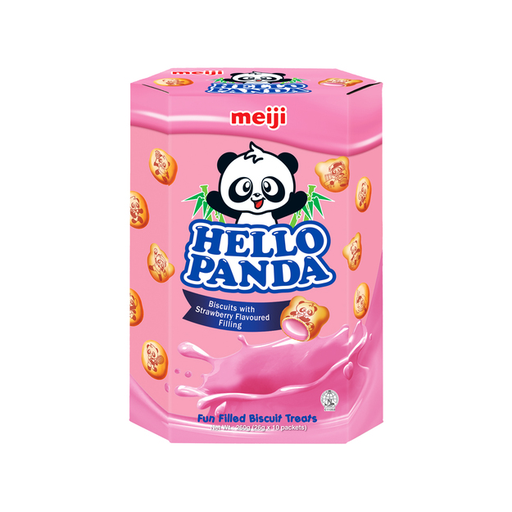
Why This Fits Their Persona: Ideal for anyone trying Japanese candy for the first time. The combination of a crispy biscuit with a sweet, creamy strawberry filling is familiar and appealing to a wide audience. The cute panda print makes it extra fun.
The flavour is straightforward (sweet strawberry), so there are no unexpected savory notes. This XL 260g pack offers a generous amount, avoiding the 'packaging vs. content' pitfall.
Approachable and popular flavour. The biscuits are crispy and the filling is soft, creating a pleasant textural combination.
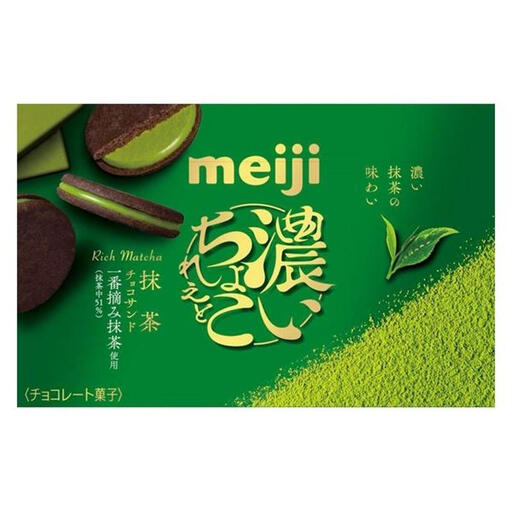
Why This Fits Their Persona: Perfect for those who appreciate the authentic, complex flavour of matcha. This isn't a sweet candy, but an elegant biscuit that combines the earthy notes of green tea with the richness of dark chocolate.
This product embraces the 'unexpected flavour' and is specifically aimed at the connoisseur. The name 'Rich Matcha' sets the right expectation: an intense and authentic flavour, not just a vague hint of green tea.
Excellent balance between the bitterness of matcha and the richness of chocolate. The thin, crispy biscuits provide a refined texture.
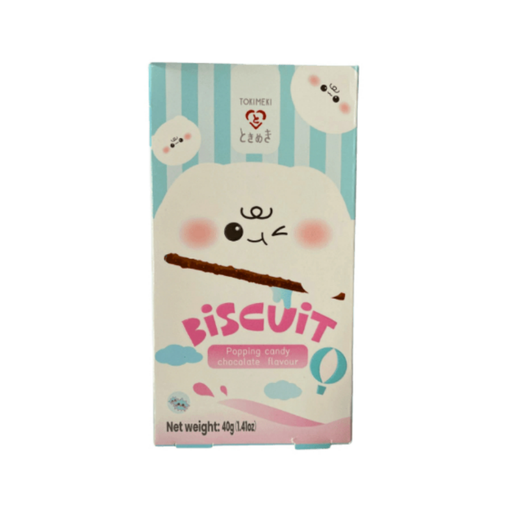
Why This Fits Their Persona: For those seeking a completely new snacking experience. These biscuit sticks combine a familiar crispy base with a coating of popping candy, creating a playful and surprising sensation in your mouth.
The product name 'Popping Candy Flavor' is crystal clear about the unique texture. You know exactly what surprise to expect, thus sidestepping the pitfall of an unexpected texture.
Combines a satisfying crunch with the playful sensation of popping candy. A unique and memorable snack.
We've curated a complete, up-to-date list of products that meet these selection criteria and comply with current regulations.
The biggest difference lies in the flavour profile. Where Western confectionery often focuses on distinctly sweet or salty flavours, Japanese candy embraces a broader palette. Flavours like umami (savory), the earthy bitterness of matcha, and the fresh, tart taste of yuzu are very common. The textures are also often more adventurous.
Most Japanese biscuits and dry snacks are best stored in a cool, dry place, away from direct sunlight. For soft cakes like Baumkuchen or Castella, it's important to keep the packaging tightly sealed to prevent them from drying out. Always consult the storage instructions on the packaging itself.
They are very similar: a biscuit stick with a chocolate coating. However, Pocky is the original Japanese product and is known for its huge variety of flavours that are hard to find in the West, such as almond, strawberry, matcha, and cookies & cream. Mikado is the European version, with a more limited, traditional range. If you're looking for unique flavours, Pocky is the go-to choice.
