
Vandaag of morgen in huis

Kwaliteit gegarandeerd

Welkomstaanbiedingen ontgrendelen: GRATIS bezorging | Tot 80% korting | Gratis 30 dagen JoyPlus-proefperiode
Download de app
Fancy some Japanese cakes and snacks, but not sure which one is right for you? Online, many packets look appealing, yet the differences in flavour, storage, portion size and ingredients can be significant. A soft cake might need to be refrigerated, for example, while a similar baumkuchen is best kept at room temperature.
With this practical buying guide, you can compare Japanese castella, Japanese baumkuchen, dorayaki and other Asian sweet treats on the points that really matter in a British household.
“Strawberry”, “milk” or “chocolate” on the packet doesn’t automatically tell you how much of that ingredient is actually present. Always check the ingredients list. According to the product information, the Sakuraseika Amaou Strawberry Castella contains strawberry purée, among other things, but also egg, wheat flour, honey and vegetable oil. If you’re expecting a pronounced fruit flavour, it’s worth looking at the full list of ingredients.
Not every cake is suitable for the cupboard. According to the product information, the Amaou Strawberry Castella and Sakuraseika Hokkaido Milk Cake need to be kept refrigerated. Other products, such as various baumkuchen and dorayaki, require a cool, dry place. So always check the label and the best-before date after you receive your order.
Many Japanese desserts contain wheat, egg, milk or soya. Some packets also mention possible traces of peanuts, nuts or sesame. Individually wrapped portions are handy for taking with you and for portion control, but the weight varies a lot: from 52 grams per cake to a box containing several pieces. So don’t just compare the price per packet, but also the weight per portion.
The phrase “no artificial colours or preservatives” should only be judged based on the product information and ingredients list. It doesn’t automatically say anything about nutritional value or suitability for every dietary preference.
Individually wrapped cakes are practical for work, school, visitors or a picnic. A packet with several pieces is better suited to a family or a tea-time with guests. For a gift, a box of six, such as a halal baumkuchen, can be more convenient than individual portions.
For halal products, check that the packaging actually shows a certification or a clear indication. For Taiyo products, this is stated in the product name as “Halal Certified”; check the current packaging if this is a deciding factor for your purchase.
The nutritional values in the product information are usually given per 100 grams. This makes comparison possible, but a portion may be smaller. For example, the Atom Japanese Banana Baum Cake contains 324 kcal per 80-gram portion, according to the stated table. So look at:
This data is intended for product comparison and does not constitute health advice.
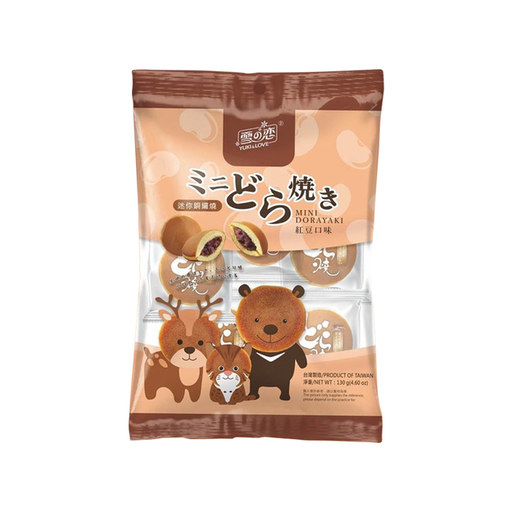
Why this fits the profile: The mini dorayaki is an easy introduction to Japanese sweet snacks. The 130-gram packet is ideal for sharing or taking along with coffee and tea.
The product information clearly states the red bean filling and possible allergens, so you don’t have to rely solely on the name or packaging.
Mini size, convenient for on the go and a soft cake with sweet azuki bean paste.
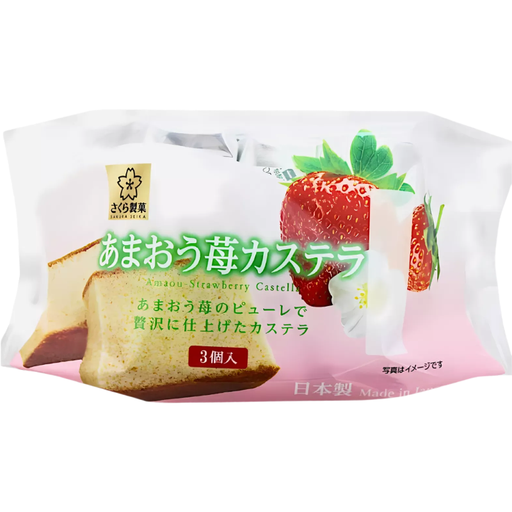
Why this fits the profile: This castella combines a soft cake with Amaou strawberry flavour and three individually wrapped pieces, perfect for a quiet tea-time or as a gift.
The packet contains three individual portions and the product information states it needs to be refrigerated. This makes usage and shelf life easier to plan.
Amaou strawberry flavour, moist texture and individually wrapped portions.

Why this fits the profile: For hobby bakers who, alongside Japanese desserts, also make cake, bread, pizza or pastries, this stand mixer offers multiple functions in one appliance.
The specifications mention a 6-litre bowl, six speeds, a pulse function and three attachments. Do check the maximum usage time: the safety information advises not to run it for longer than six minutes continuously.
6-litre stainless steel bowl, 450W motor, whisk, dough hook and mixing paddle.
We’ve put together a full, up-to-date list of products that fully meet these strict selection criteria and comply with current European safety regulations.
Castella is usually a soft, airy sponge cake. Baumkuchen is recognisable by its structure of thin layers, often in a ring shape. The texture of baumkuchen is generally more compact and layered.
Always follow the packaging. Some varieties need to be refrigerated, such as certain castella and milk cakes. Other cakes will keep unopened in a cool, dry place. After opening, it’s important to seal them well to prevent drying out and loss of quality.
That varies from product to product. In this category, wheat, egg, milk and soya are common. Read the ingredients and allergen information before purchasing. If you have a serious allergy, it’s also wise to check the warning for possible traces and, if in doubt, consult the manufacturer or seller.
