
Vandaag of morgen in huis

Kwaliteit gegarandeerd

Welkomstaanbiedingen ontgrendelen: GRATIS bezorging | Tot 80% korting | Gratis 30 dagen JoyPlus-proefperiode
Download de app
Interest in Japanese cuisine is on the rise, and with it, the demand for authentic Japanese cakes. Perhaps you've seen them in an anime, tasted them on a trip, or are simply searching for new Asian sweets. The online selection can be overwhelming, and it's not always clear what you're buying.
As a Joybuy Product Recommendation Officer, I'm here to guide you. My goal is to provide objective, practical information so you can make a choice that's right for you. This article offers an overview of popular Japanese cakes that you can order online.
Before we dive into specific products, here are a few key points to help you choose.
Not all Japanese cakes are the same. Two well-known types are:
The flavours of Japanese cakes are often more refined and less overwhelmingly sweet than many Western varieties. Popular flavours include:
Many Japanese snacks come individually wrapped. This is not only hygienic but also helps the cakes stay fresh longer. It makes them ideal for taking as a snack on the go, to work, or as a treat for school.
Based on product specifications and popular choices, we have curated a selection of Japanese cakes that are currently available.
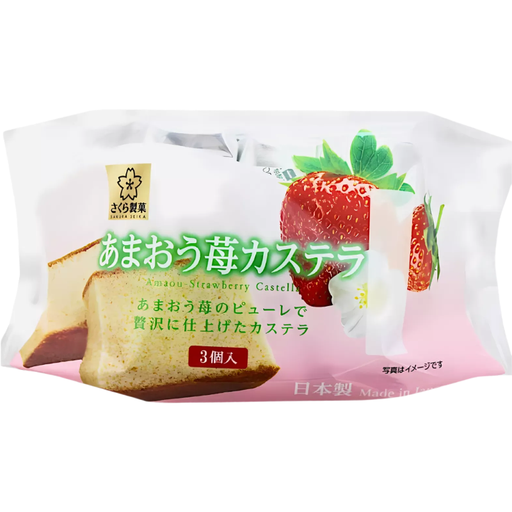
Why It Stands Out This castella cake is distinguished by its use of Amaou strawberries. This strawberry variety is famous in Japan for its deep red colour, sweetness, and powerful aroma. This results in a flavour that is authentic and fruity, rather than artificial.
Benefits
Who Is This For? For lovers of fruity flavours who want to try a classic Japanese sponge cake with a luxurious twist. It's also a great choice if you're looking for an approachable flavour to get acquainted with Japanese cakes.
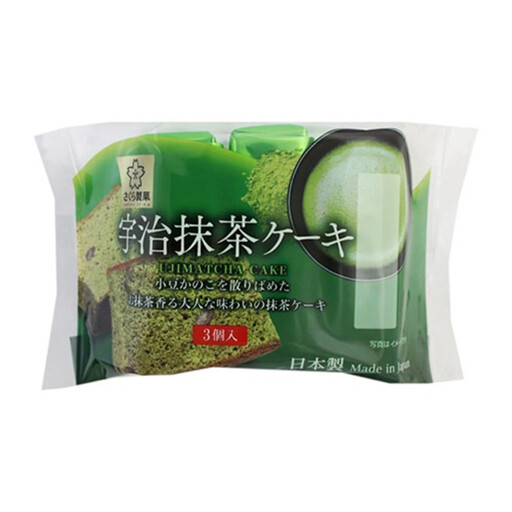
Why It Stands Out This cake uses Uji matcha. The Uji region, near Kyoto, is considered the birthplace of high-quality Japanese tea. Matcha from this region is renowned for its deep flavour and vibrant green colour.
Benefits
Who Is This For? This is the clear choice for any matcha enthusiast. If you appreciate the distinctive, complex flavour of real matcha, this matcha cake is an excellent option.
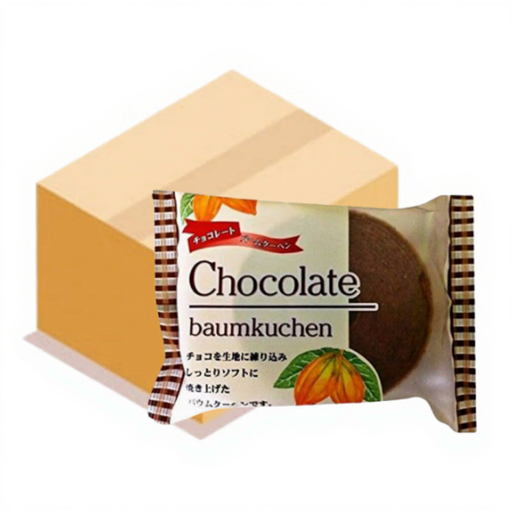
Why It Stands Out This is a classic baumkuchen with a rich chocolate flavour. Its layered structure, created through a special baking process, provides a unique texture. The package contains 30 individually wrapped cakes, making it a practical choice for larger families or for stocking up.
Benefits
Who Is This For? Ideal for those looking for a larger quantity of Japanese snacks. Suitable for families, sharing at the office, or simply for the avid fan of chocolate and baumkuchen.
These three products offer a great starting point, but the world of Asian sweets is, of course, much broader. Are you curious about more flavours or different types of pastries?
Explore our full collection on the cake category page and discover even more options.
What is the difference between Japanese castella cake and a regular sponge cake? The main difference lies in the texture and ingredients. Castella is typically moister, denser, and more resilient than a light Western sponge cake. This is due to the use of ingredients like honey or mizuame (starch syrup) and a specific baking method.
What is the best way to store Japanese cakes? Most individually wrapped cakes are best stored in a cool, dry place, away from direct sunlight. Always consult the storage instructions on the packaging. Once opened, it is recommended to consume the cake quickly to preserve its texture and flavour.
Are Japanese cakes very sweet? In general, Japanese cakes and desserts are less sweet than many European or American varieties. The focus is more on the natural flavour of the main ingredients, such as matcha, fruit, or bean paste. The sweetness is often subtle and serves to complement the other flavours.
