Vandaag of morgen in huis

Kwaliteit gegarandeerd

Welkomstaanbiedingen ontgrendelen: GRATIS bezorging | Tot 80% korting | Gratis 30 dagen JoyPlus-proefperiode
Download de app
The day has its own rhythm—a cadence of tasks, commutes, and interactions. Within this flow, we seek out anchor points: a moment of quiet, a brief pause that punctuates the day and reconnects us with ourselves. We all know the value of such a moment, often taken with coffee and a familiar biscuit. But there is an alternative approach to this ritual, one that revolves around subtlety and texture rather than robust sweetness.
The world of Japanese cake offers precisely that. It is an invitation not to fill a break, but to truly experience it. A small, meticulously crafted pastry that doesn’t scream for attention, but gently invites a moment of reflection.
Japanese confectionery, or wagashi, is rooted in a philosophy of balance. It is less about an overload of sugar and more about the harmony between flavour, texture (shokkan), and appearance. The sweetness is often understated, intended to support the natural flavours of the ingredients, not overpower them. This approach is reflected in the structure of Japan's most beloved cakes.
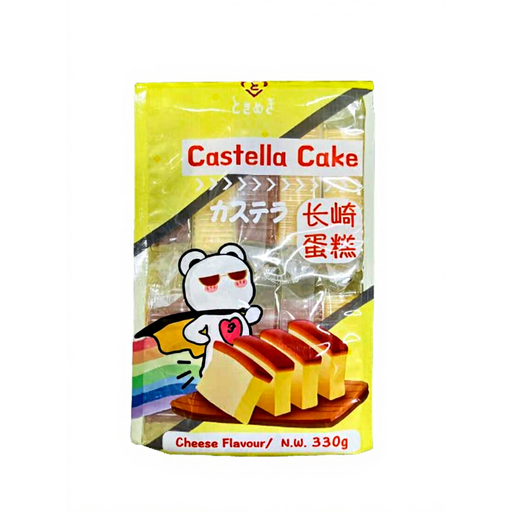
Castella, for example, is a paragon of refined simplicity. Originally introduced by Portuguese merchants, Japanese bakers have perfected the technique into an art form. The result is a moist, springy, and exceptionally soft cake with a delicate, honey-sweet flavour. Its beauty lies in the perfection of its crumb structure and its minimalist list of ingredients.
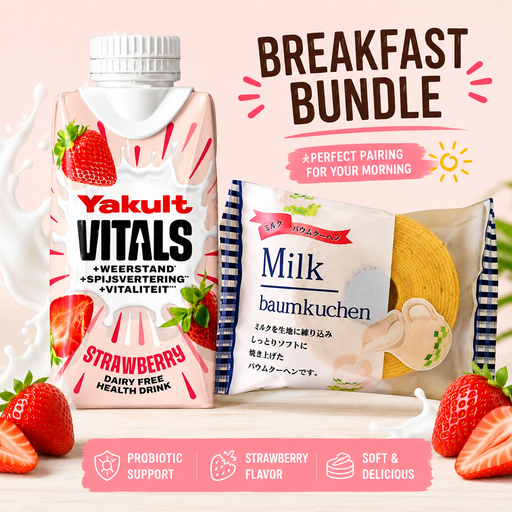
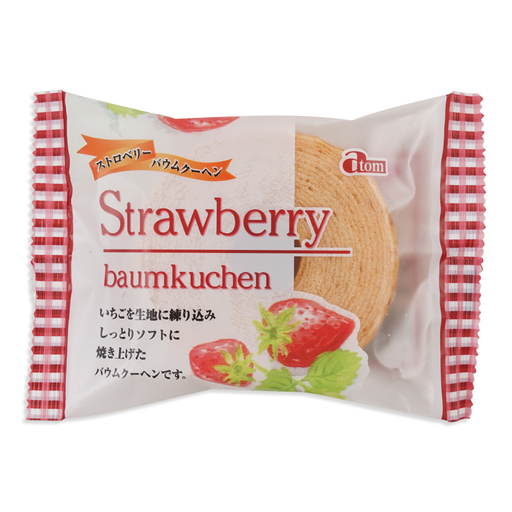
Then there is Baumkuchen. Though of German origin, this ‘tree cake’ has been fully embraced and adapted in Japan. Its thin layers, meticulously baked one by one, symbolise prosperity and long life. The Japanese version is often lighter and airier than its European counterpart, with a subtle sweetness that makes way for flavours like milk, honey, or the earthy notes of matcha cake.
Dorayaki offers a more comforting experience. Two small, soft pancakes embrace a filling, traditionally of sweet red bean paste (anko). It is a classic that evokes a sense of nostalgia and comfort. These Asian sweets are more than just snacks; they are small, edible objects of design, created for a mindful moment of enjoyment.
The appreciation for these types of pastries has led to a wide palette of flavours and forms suited to a modern lifestyle. Many Japanese snacks are individually packaged, making them a practical choice for a planned break, wherever you are. It is a way to bring a small piece of order and beauty into a busy day. The classic Yuki & Love Dorayaki with red bean paste is a perfect example of this timeless tradition—a compact treat that satisfies without being heavy.
The evolution of Baumkuchen showcases the creativity within Japanese patisserie. Alongside the pure, milky flavour of an Atom Japanese Milk Baum Cake, there are variations that play with fresh and surprising notes. A Tokimeki Baumkuchen with lemon flavour offers a light, refreshing experience, ideal for an afternoon break. Castella is also being reinterpreted, with the traditional base enriched with subtle fruit flavours, as seen in the Sakura Seika Castella with white peach.
This attention to detail and quality also extends to inclusivity. The availability of halal snacks, such as the Taiyo Halal Certified Baumkuchen Cake in original flavour, ensures that more people can enjoy this refined tradition. Whether you choose a cake with a rich chocolate flavour or a version with the subtle sweetness of honey, the underlying philosophy remains the same: buying a soft cake is an investment in a small, deliberate moment of pleasure.
For those who wish to explore a broader selection of Japanese gift cakes, the full collection offers further inspiration.