
Vandaag of morgen in huis

Kwaliteit gegarandeerd

Welkomstaanbiedingen ontgrendelen: GRATIS bezorging | Tot 80% korting | Gratis 30 dagen JoyPlus-proefperiode
Download de app
Interest in Japanese cuisine is growing, and with it, the demand for authentic Japanese snacks. Whether you've seen them in an anime, read about them on a travel blog, or are simply seeking a new culinary adventure, the sheer variety can be overwhelming. So, which cake is right for you? This article serves as your practical guide. We'll highlight several popular options and provide the specific details you need to make a choice that perfectly suits your palate.
Before you make a choice, it's helpful to know a few things. Japanese cakes often differ in texture and flavour from what many are used to in the West.
Texture is a defining characteristic of Japanese confectionery. A castella cake, for instance, is known for its light, spongy, and moist structure—it's almost cloud-like. Other varieties, like a Hokkaido milk cake, are denser and richer, offering a full-bodied, creamy bite. Consider what you prefer beforehand: something light and airy to accompany tea, or a more substantial, creamy treat.
Japanese patisserie offers a wide spectrum of flavours.
Many Japanese cakes are individually wrapped. This is not only hygienic but also ensures the cakes stay fresh and soft for longer. It makes them perfect for on-the-go snacking or for serving one piece at a time without the rest drying out.
Below is a selection of Japanese cakes that are currently gaining a lot of attention. We've outlined the product features for you.
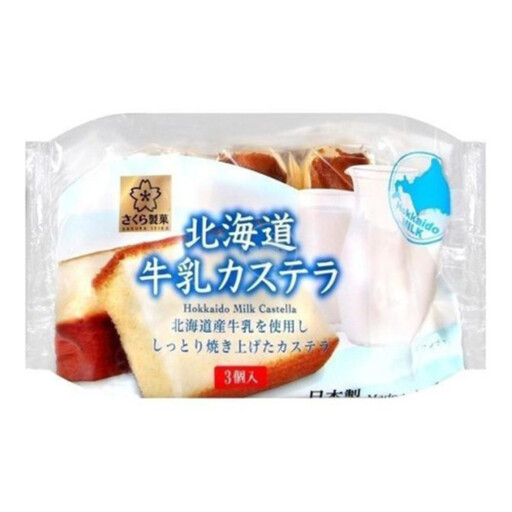
Why it stands out: This cake is renowned for its rich, creamy flavour. Its name refers to Hokkaido, a Japanese region famous for its high-quality dairy products. The texture is soft and rich, making it a deeply comforting snack.
Benefits:
Who is this for? For those who love soft, milky flavours. If you enjoy a full-bodied yet not overly sweet treat, this is an excellent choice. It's also a great starting point for anyone trying Japanese cake for the first time.
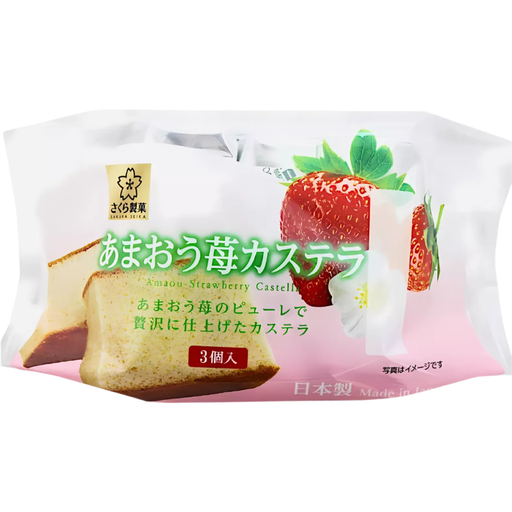
Why it stands out: This is a modern take on the traditional castella cake. What makes this product unique is its use of Amaou strawberry purée. The Amaou strawberry is considered a premium fruit in Japan, known for its deep red colour, large size, and intense sweetness.
Benefits:
Who is this for? Perfect for those who love fruity flavours. If you're already familiar with castella or are looking for a refined, unconventional fruitcake, this is an excellent option.
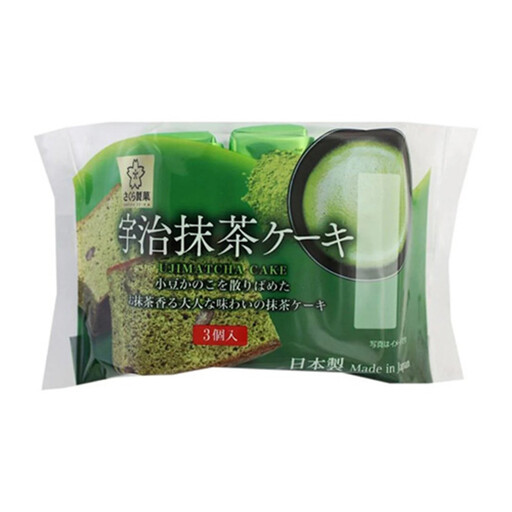
Why it stands out: This cake is made with Uji matcha. Uji, a city in the Kyoto Prefecture, is considered the birthplace of high-quality Japanese green tea. As a result, the flavour is authentic and complex, with the characteristic umami notes for which matcha is famous.
Benefits:
Who is this for? For lovers of green tea and matcha. If you're not afraid of a less conventional flavour and can appreciate the complex, savoury notes of umami, this matcha cake is highly recommended.
If your ideal cake isn't listed here, or if you're curious about what else the world of Japanese confectionery has to offer, there's more to explore. There is a vast world of flavours and textures to discover, from mochi to cookies filled with bean paste.
Check out our full assortment for more options and find the snack that's right for you.
-> Browse all our pastry snacks
Castella is a popular Japanese sponge cake, originally introduced to Japan by Portuguese merchants in the 16th century. Over the years, the Japanese version has been perfected into a cake with a very fine, moist, and springy texture. The basic ingredients are simple: flour, eggs, sugar, and starch syrup (mizuame), which creates its signature moist structure.
In the past, you had to visit a specialty Asian grocery store, but today it's easier than ever to buy Japanese snacks online. Online stores offer a growing assortment, giving you access to products imported directly from Japan right from your home. When choosing, look for clear product information, including ingredients and allergens.
A matcha cake tastes very different from most cakes common in the West. The flavour is a combination of sweetness and a slightly bitter, almost savoury undertone called 'umami'. It has a 'green', earthy taste that comes from the ground tea leaves. The intensity can vary, but a good matcha cake is never just bitter; the sweetness balances the complex tea flavour.
