
Vandaag of morgen in huis

Kwaliteit gegarandeerd

Welkomstaanbiedingen ontgrendelen: GRATIS bezorging | Tot 80% korting | Gratis 30 dagen JoyPlus-proefperiode
Download de app
When you buy Japanese biscuits and snacks online, you’re often drawn to the packaging first. That’s understandable: colourful designs, familiar names and unusual flavours catch the eye quickly. Yet an attractive packet tells you very little about portion size, ingredients or origin. With a few simple checks, you can make a more informed choice between Japanese wafers, biscuits, filled cookies and sweets.
An XL pack is handy for sharing, but less practical if you just want a small treat to take to school, work or on the go. Always check the net weight and see whether the pack contains individual portions.
A snack of 40 or 50 grams can be more convenient for a lunchbox. Individually wrapped products are also easier to share during a film night, birthday party or study break.
Some products come from Japan, while others have a Japanese style or flavour but are made in a different country. The product information might, for example, combine a Japanese brand with production in China or Taiwan.
If you specifically want authentic Japanese food items, check the stated country of origin. Also look at the importer and the EU responsible party. That way, you won’t rely solely on the name or the look of the packaging.
With matcha cookies, strawberry cookies and chocolate cookies, the flavour can come mainly from flavouring or a small amount of powder. NIKKO Matcha Cookies, for example, list 0.6% matcha, while NIKKO Strawberry Cookies contain mostly wheat flour, sugar, vegetable oil, strawberry flavouring and egg.
That doesn’t automatically make a product unsuitable, but it does help you have realistic expectations. If you’re after a pronounced tea flavour, it’s worth comparing the ingredients list with the product name.
Don’t just compare the price per pack – compare the quantity too. Here are a few examples from the range:
A small portion suits individual use. A larger size makes more sense when several people are sharing.
Many Japanese biscuits contain wheat, milk, soya or egg. Almond, barley, peanuts and nuts may also be present or listed as possible traces. Always check the actual packaging before purchase, especially if you have allergies or intolerances.
For example:
Online product information may differ from the packaging. The ingredients, allergens, best-before date and warnings on the actual label are what you should rely on.
Biscuits, chocolate and wafers are affected by heat and moisture. Store them according to the instructions in a cool, dry place, away from direct sunlight, and seal well after opening. With chocolate products, heat can cause a white bloom to appear. For KitKat Gold, this is described as a result of oils separating after melting and re-solidifying; the appearance and taste may change.
Also pay attention to the difference between a best-before date and the condition of the packaging. Do not use a product if the packaging is damaged.
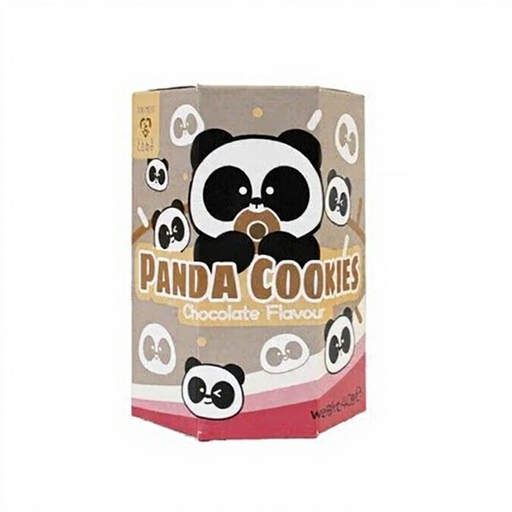
Why this fits the profile: The 40-gram portion is a manageable introduction to Japanese biscuits, without committing to a large pack straight away.
The size limits waste and makes the price and quantity easy to assess. The ingredients list states wheat, milk, egg and soya.
Panda shape, chocolate flavour and a take-anywhere 40-gram size.
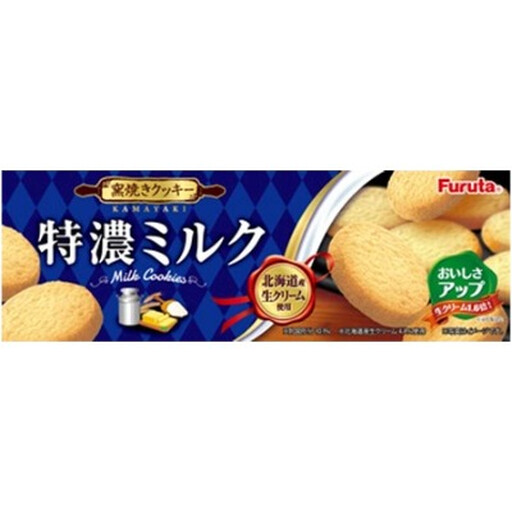
Why this fits the profile: If you’re after a classic biscuit to enjoy with coffee or tea, this 92-gram pack offers a clear milk flavour, according to the product description.
The product information clearly lists ingredients and allergens, so you’re not relying on the packaging alone.
92 grams, milk flavour and ideal as a snack with coffee or tea; contains wheat, milk and soya.
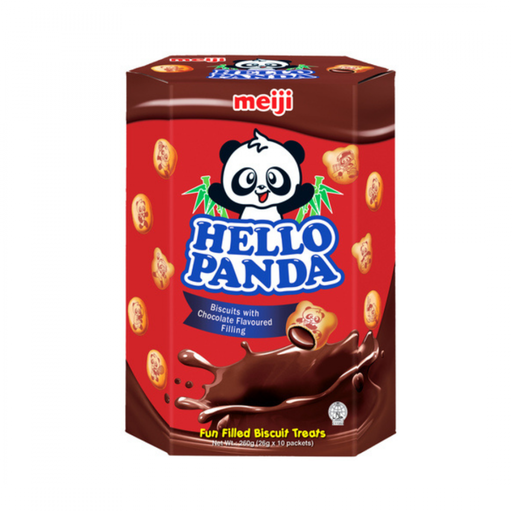
Why this fits the profile: The 260-gram pack is practical for families, shared snacking or fans who eat Hello Panda biscuits regularly.
The large size is clearly stated, so you can judge in advance whether sharing and resealing are practical. The allergens are wheat, milk and soya.
260 grams, crunchy biscuits and a chocolate-style filling for multiple snacking occasions.
For fans looking to buy Pocky, there are several directions to explore. Glico Pocky Strawberry is a 45-gram portion, while Glico Pocky Cookies & Cream lists 40 grams. The Almond version has 46.2 grams and combines biscuit sticks with a creamy cookie flavour.
If you’re after matcha cookies, NIKKO Matcha Cookies are worth considering. For fruity flavours, there are NIKKO Strawberry Cookies, Glico Pocky Strawberry, Meito Pukupukutai Chocolate Strawberry Wafer and Furuta Strawberry Milk Flavor Cookie. A different texture can be found with dorayaki: Yuki & Love Dorayaki consists of soft cake with a sweet red bean filling. Note: this version lists Taiwan as the country of origin.
We’ve put together a full, up-to-date list of products that fully meet these strict selection criteria and comply with current European safety regulations.
You can buy Japanese biscuits online from a range that includes brands such as Meiji, Glico, Furuta, NIKKO and Meito side by side. When comparing, focus on net weight, flavour, origin, allergens and shelf life.
That depends on the ingredients and the portion size. Always check the allergens on the label. Small packs such as 40 or 50 grams are practical for a lunchbox, but sweet biscuits and wafers remain treats and are not a substitute for a full meal.
The exact date is on the packaging. Store biscuits and wafers in a cool, dry place away from direct sunlight. Seal opened packs well and do not use products if the packaging is damaged. If you’re unsure about ingredients or shelf life, the label on the actual product is what you should follow.
