
Vandaag of morgen in huis

Kwaliteit gegarandeerd

Welkomstaanbiedingen ontgrendelen: GRATIS bezorging | Tot 80% korting | Gratis 30 dagen JoyPlus-proefperiode
Download de app
Buying Japanese biscuits and snacks sounds simple enough, but the range varies greatly in flavour, size, origin and packaging. A striking packet doesn’t always reflect what’s inside. If you only focus on a trendy flavour or a well-known brand name, you could end up with a small bag, unclear allergen information, or a snack that doesn’t suit your intended use.
With this guide, you can compare Japanese biscuits and snacks on verifiable points. That way, you’ll find something for a lunchbox, film night, student kitchen, office, or for sharing with family and friends.
Asian snacks are often sold in compact packaging. That’s handy for on the go, but less economical if you want several people to try them. Always compare the net weight, the number of individual bags and any portion packs. A pack of 40 or 45 grams is fine for a single snack; a multipack or bag of 90 grams or more is better for sharing.
Matcha, strawberry, milk and chocolate can be prominent on the front, while the actual amount of the flavouring ingredient is limited. For example, Oreo Ice Cream Matcha lists 1.5% matcha powder, and Furuta Strawberry Milk mentions strawberry powder in the ingredients. That doesn’t mean the flavour isn’t there, but it does mean you shouldn’t take the product name as a measure of quantity.
With Japanese sweets and biscuits, the information on the website may differ from the actual packaging. Always check the label for wheat, milk, soya, egg, nuts and sulphites before consuming. Also, the country of origin isn’t always Japan. Some products in the range are Japanese-style or from a Japanese brand, but are made in China or another country.
Don’t just look at the price per pack, but also at:
Individual portions help keep biscuits and biscuit sticks fresh after you’ve taken some out. For a party or family, a larger biscuit assortment can be more practical.
The main differences are usually in the combination of biscuit and filling:
If you like fruity flavours, you can go for strawberry biscuits or Pocky Strawberry. For a more intense sweet taste, chocolate biscuits and cookies-and-cream varieties are logical choices. Matcha often has a green, slightly bitter flavour note that doesn’t suit every snack lover.
Check the ingredients list, especially if you have allergies or dietary requirements. In the product information provided, wheat, milk and soya appear in Pocky Strawberry, Furuta KAMAYAKI Milk Cookies and Oreo Matcha. NIKKO Strawberry Cookies contain wheat and egg, and may contain traces of milk, soya and nuts.
Also look out for marketing phrases like “natural flavour”, “no artificial colours” or “premium ingredients”. Don’t take such claims as proof of quality without checking the ingredients list. According to the product descriptions of some brands, these features are stated by the brand themselves; they are not a general guarantee of taste or composition.

Why this fits the profile: The 45g pack is straightforward and ideal for trying one flavour without buying a large biscuit assortment. The combination of biscuit sticks and strawberry suits fans of sweet, fruity snacks.
The net weight is clearly stated. However, always check the actual packaging for ingredients, allergens and best-before date; the product page lists wheat, milk and soya.
45 grams; biscuit sticks with strawberry flavour; handy size for on the go or a lunchbox.
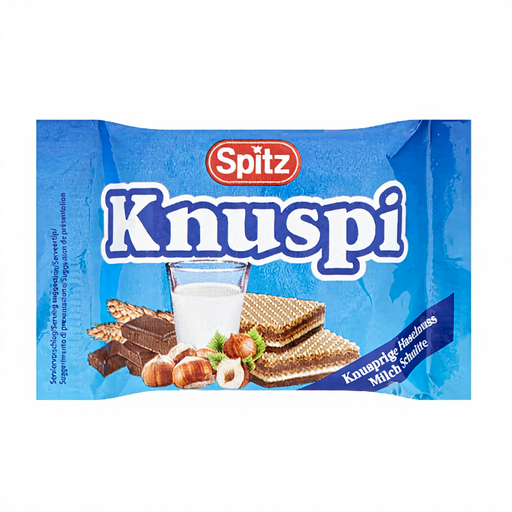
Why this fits the profile: If you want to plan several snack moments, you get ten individual wafers. The combination of milk, chocolate and hazelnut works well with coffee, as a dessert, or for sharing.
The 10-pack makes portioning clear. Pay extra attention to milk and nut allergies: the description mentions 7% milk powder and 3% hazelnuts.
Ten pieces; crunchy wafer texture; filling with milk, chocolate and hazelnut according to the product information.

Why this fits the profile: These sandwich biscuits are aimed at snack lovers looking for an unusual flavour combination. The pack contains two packets, making it suitable for opening at different times.
The product information states the matcha powder percentage, so you can compare the flavour claim with other Oreo and matcha products. The packaging lists wheat, soya and milk.
97 grams; two packets; combination of cocoa biscuits and matcha-flavour filling.
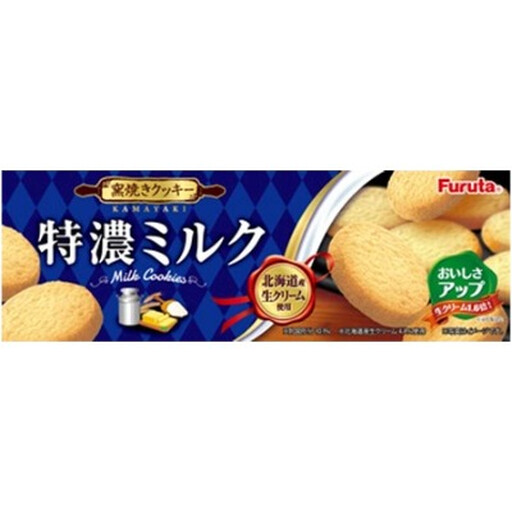
Why this fits the profile: The mild milk flavour and 92g size make this a practical choice for home, with tea or coffee. These biscuits are less about a pronounced fruit or matcha taste.
The product page lists the net weight and the allergens wheat, milk and soya. After opening, it’s important to seal the pack well to keep the crunchy texture.
92 grams; rich milk flavour according to the product description; suitable with coffee or tea.
We’ve put together a full, up-to-date list of products that fully meet these strict selection criteria and current European safety regulations.
Biscuit sticks with strawberry, chocolate or cookies & cream are often easy to start with because of their familiar texture. Pocky Strawberry and Pocky Chocolate have a crunchy biscuit base with a sweet coating. If you’d rather eat a classic biscuit, you can try a milk biscuit or sandwich biscuit.
Store the packaging in a cool, dry place away from direct sunlight. Seal an opened bag well to prevent moisture and loss of crunch. Individually wrapped snacks are handy when you don’t want to eat everything at once. Always check the storage instructions on the actual packaging.
That varies by product. Many biscuits contain wheat, milk or soya; some also contain egg, nuts or sulphites. Always read the full label and don’t rely solely on the product photo or online description. If you’re unsure about an allergy, it’s safer not to consume the product.
