
Vandaag of morgen in huis

Kwaliteit gegarandeerd

Welkomstaanbiedingen ontgrendelen: GRATIS bezorging | Tot 80% korting | Gratis 30 dagen JoyPlus-proefperiode
Download de app
Japanese biscuits and snacks are popular for their distinctive flavours, small portions and recognisable brands. Think Pocky biscuits, Hello Panda biscuits, KitKat Japan, strawberry biscuits, and various types of wafers and biscuit sticks. However, ordering online can be disappointing if you judge a product solely by its packaging or an appealing flavour name.
The origin, for example, is not always what the brand name might lead you to believe. A product may have a Japanese style or be from a well-known Japanese brand, while actually being made in another country. Portion size, allergen information and shelf life can also vary from one product to another. With these checks, you can make more informed choices when buying Japanese snacks for yourself, a lunchbox, a party or sharing.
Packaging featuring Japanese characters, kawaii illustrations or well-known brand names does not automatically tell you where a snack was made. Always check the country of origin in the product information or on the packaging. For example, Oreo Raspberry & Blueberry Flavor Sandwich Cookies are sold as an Oreo product, but according to the product information, their country of origin is China.
With Hello Panda, the difference is clearer: the strawberry flavour variant lists Japan as its country of origin, while for other variants you should always check the individual product page.
International snacks are often sold in multipacks or packs containing several individual portions. This is handy for parties or treats, but compare prices based on the price per 100 grams. A pack of nine KitKat pieces may be practical for handing out, while a 36 or 40-gram bag may make more sense for a single snacking occasion.
Also check the net weight. A noticeably large box may contain a relatively high amount of packaging and fewer biscuits than you expect.
“Strawberry”, “cookies & cream” or “berry fusion” describe a flavour direction, but not necessarily the amount of fruit or chocolate. Check the ingredients list for the actual presence of ingredients such as strawberry powder, cocoa powder or milk solids. Oreo Raspberry & Blueberry lists raspberry powder and blueberry powder. According to the product information, Meiji Chocorooms Strawberry Biscuits contain 1.0% strawberry powder.
Also check whether the product contains chocolate, a chocolate coating or a cocoa butter substitute. This may be relevant if you are expecting a particular texture or flavour.
For snacks coming from outside the European Union, it is sensible to check who the responsible party in the EU is. Product information may list a manufacturer in Japan, China or another country alongside a European responsible business.
This helps you assess product information more effectively, but it does not replace reading the physical label. According to the product listing, the packaging may contain additional or different information. Always check the current ingredients, allergens, nutritional values and best-before date before consuming the product.
Many Japanese biscuits and Asian biscuits contain wheat, milk and soya. Some varieties also list egg, nuts, peanuts or sulphites. Examples include:
If you have an allergy or intolerance, do not base your choice solely on translated web text. Always read the label on the packaging you receive and follow the warnings shown there.
Sweet snacks, sweets from Japan and chocolate biscuits are intended as treats. Compare nutritional values per 100 grams when assessing products side by side, and also check the number of portions per pack. An individual 16.5-gram portion, such as Meito Pukupukutai, is practical for controlled sharing. A 97-gram bag of Oreo is more suitable for sharing.
Store biscuits and wafers according to the instructions: usually in a cool, dry place away from direct sunlight. Chocolate products may soften in warm conditions or develop a white bloom. For KitKat Gold, it is stated that this can be caused by temperature fluctuations. After opening, check that the packaging is properly sealed and consume the product according to the advice provided.

Why it suits this profile: A familiar sandwich biscuit with a fruity twist, supplied in two separate packs totalling 97 grams. Handy for sharing at home or trying a new flavour for the first time.
The net weight and two individual packs are clearly stated. The product information also specifies the origin and allergens, so you do not have to rely on the packaging alone.
Cocoa biscuits, a creamy filling, raspberry powder and blueberry powder; ready to eat and suitable for sharing.
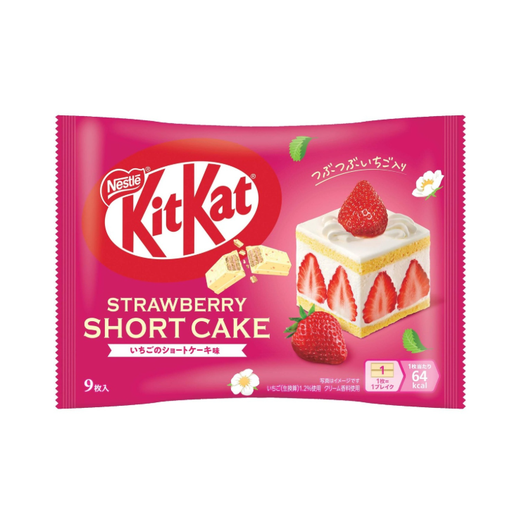
Why it suits this profile: Nine individually wrapped bars weighing 104.4 grams in total are ideal for a gift, tasting session or shared snack. The combination of wafers, white chocolate and freeze-dried strawberry pieces creates a clearly defined flavour profile.
The portions are individually wrapped and the total net weight is specified. Do check the temperature instructions, as chocolate is sensitive to heat.
9 portions, white chocolate with strawberry flavour and freeze-dried strawberry pieces according to the product description.

Why it suits this profile: The slim biscuit sticks are easy to hand out and fit neatly in a lunchbox, bag or cupboard. The 45-gram pack keeps the choice compact.
The size and ingredients are clearly listed. If you need to avoid allergens, you can immediately see that wheat, milk and soya are present.
Strawberry-flavoured biscuit sticks, a 45-gram portion and a ready-to-eat format.
We have put together a complete, up-to-date list of products that fully meet these strict selection criteria and the applicable European safety regulations.
First check the country of origin, net weight, ingredients, allergens and best-before date. Then compare the price per 100 grams. With international snacks, it is also sensible to check whether the product information lists an EU responsible party.
Small packs and individual portions are practical. Pocky biscuits, Hello Panda biscuits and Meito Pukupukutai are examples of compact sweet snacks. Do check for allergens beforehand, and do not store chocolate in a warm place for long periods.
The relevant date is shown on the packaging. Store biscuits in a dry, cool place away from direct sunlight. Once opened, they may lose their crispness more quickly, so seal the packaging properly and follow the manufacturer’s storage advice.
