
Vandaag of morgen in huis

Kwaliteit gegarandeerd

Welkomstaanbiedingen ontgrendelen: GRATIS bezorging | Tot 80% korting | Gratis 30 dagen JoyPlus-proefperiode
Download de app
Japanese biscuits are popular for their small portions, striking shapes and flavours such as cookies & cream, milk cream, strawberry and matcha. Yet a colourful pack doesn’t always tell you everything about what you’re actually buying. A bag might be smaller than you expect, a filling could contain allergens, and product information can vary between import batches.
With this practical buying guide, you can compare Japanese snacks on flavour, size, portion packaging, ingredients and storage convenience. That way, you’ll find biscuits for on the go, for the lunchbox or for sharing at home, without relying solely on marketing claims.
Some boxes and bags look generous, but contain several small inner packs. That can be handy for school or work, but less suitable if you’re after one big stash. Always check the net weight and the number of portions.
A product of 40 to 50 grams, for example, works well as a snack. For sharing with several people, packs of 90 grams or more make more sense. Also pay attention to the pack unit: with some products, “2P” means two separate portions, not two large bags.
Japanese biscuits with milk cream often have a filled centre, whereas Pocky biscuits are biscuit sticks with a coating. Cookies & cream usually refers to a combination of creamy flavour and pieces of cocoa or biscuit dough, but the exact recipe varies from product to product.
So look at the ingredients list, not just the front of the pack. If you’re after a distinct tea flavour, you’re better off choosing matcha biscuits. If you prefer a milder taste, milk biscuits or filled biscuits are a better bet.
Many Asian biscuits contain wheat, milk and soya. Some products also list egg, almonds, hazelnuts or other nuts as possible allergens. With imported snacks, the recipe can also differ between variants.
Always check the actual pack before eating, especially if you have an allergy or intolerance. Product information on a website is useful for an initial comparison, but the label on the delivered product is what counts.
For a snack on the go, bags of 40 to 52 grams are easy to carry. Individual portions also reduce the chance of biscuits losing their crunch after opening. Larger packs are better value for families or for sharing, but need to be sealed properly after opening.
Look out for these points:
Biscuit sticks like Pocky combine a crunchy base with a coating. Hello Panda biscuits are hollow and filled with a milky cream. Other Japanese biscuits, such as Furuta KAMAYAKI Milk Cookies, are more traditional crunchy biscuits with a milk or cream flavour.
For fans of distinctive Asian biscuits, there are also:
Compare nutritional values per 100 grams, not just per portion. That way, you avoid a small portion automatically seeming lighter. The products in this range, for example, vary from around 443 to 554 kcal per 100 grams according to the product information provided.
Also look out for:
Such claims should always be read as product information from the brand or seller. According to the product description of certain items, for example, no artificial colours or preservatives are used. To be sure, check the ingredients on the pack.
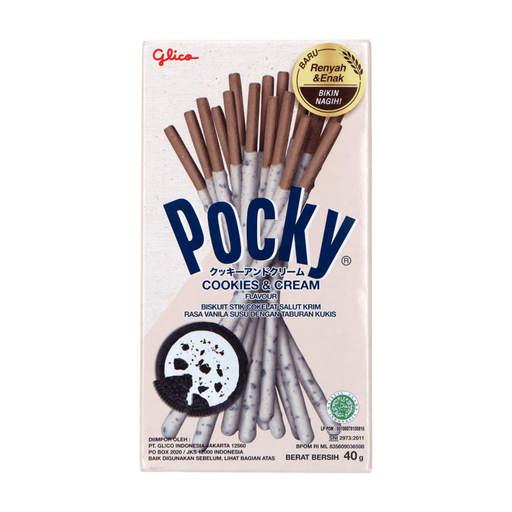
Why it fits this profile: A compact size to try Japanese snacks without buying a large pack straight away. The biscuit sticks are easy to eat straight from the pack.
The 40-gram weight makes the portion clear. Do check the allergens: the product information lists wheat, milk and soya.
40g pack, crunchy biscuit sticks and cookies & cream flavour with a creamy coating and biscuit pieces according to the product description.
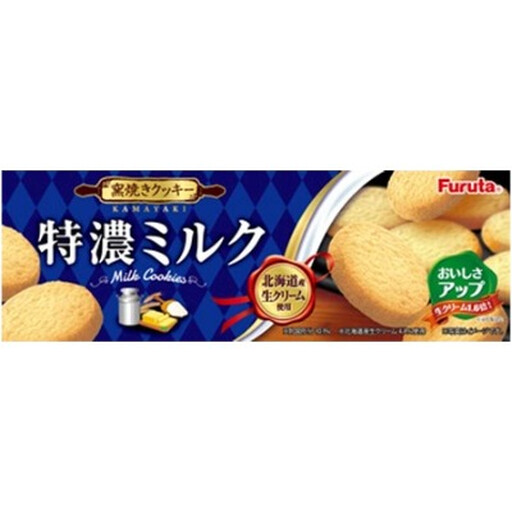
Why it fits this profile: Ideal for anyone looking for a classic milk biscuit to enjoy with coffee or tea, rather than a stick or filled biscuit.
The product description clearly states the milk profile and ingredients. It’s not a hidden cream filling or a marketing variant with a different texture.
92 grams, pronounced milk and cream flavours and a crunchy biscuit base. Contains wheat, milk and soya according to the product information.
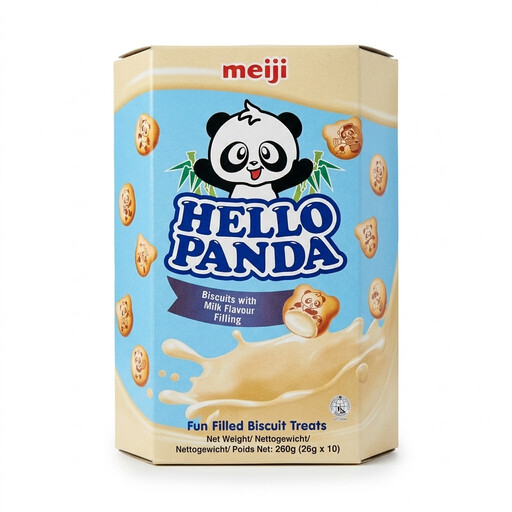
Why it fits this profile: A larger pack for families, group snacking or anyone who wants to keep filled biscuits in the house regularly.
The net weight of 260 grams makes it clear this isn’t a small grab-and-go portion. Seal the pack well after opening to help keep the texture.
Filled panda biscuits with milk cream, ideal for sharing. The product information lists wheat, soya and milk; traces of peanuts or nuts may be present.
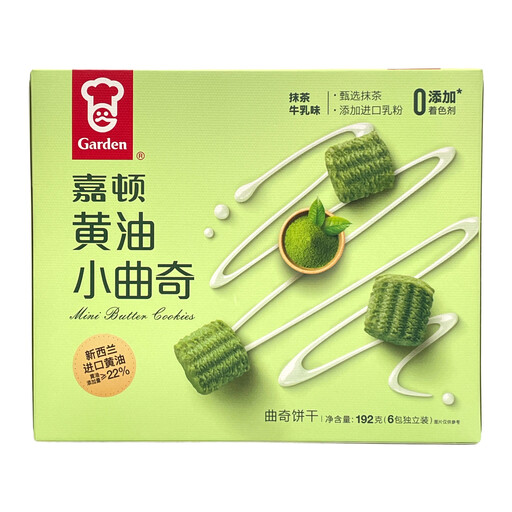
Why it fits this profile: For anyone who finds milk biscuits too mild and wants a clear matcha and cream flavour, with multiple inner packs for sharing.
The matcha content of 1.9% is stated in the product information. This helps you judge the flavour choice better than relying on the green packaging alone.
192 grams, crunchy mini biscuits and individual packs. According to the product information, it contains wheat and has a matcha milk flavour.
We’ve put together a full, up-to-date list of products that fully meet these strict selection criteria and comply with current European safety regulations.
That depends on the ingredients, portion size and any allergens. Small packs such as Pocky at 40 grams or panda biscuits at 40 to 50 grams are practical for a lunchbox. Always check the label for wheat, milk, soya, egg and nuts. Sweet snacks are intended as a treat and not as a replacement for a full meal.
Store biscuits according to the pack in a cool, dry place, away from direct sunlight and away from heat and moisture. Seal an opened bag tightly. With larger packs containing inner bags, it’s best to open one portion at a time. Discard a product if the packaging is damaged or if the smell, taste or texture has clearly changed.
Small packs with biscuit sticks or individual portions are the easiest to carry. Pocky, Hello Panda and similar Asian biscuits work well for school, work or a train journey. For keeping in a bag for a long time, a sturdy pack is handy; in warm weather, coatings and milk cream can soften. So check the storage instructions before you take them with you.
