
Vandaag of morgen in huis

Kwaliteit gegarandeerd

Welkomstaanbiedingen ontgrendelen: GRATIS bezorging | Tot 80% korting | Gratis 30 dagen JoyPlus-proefperiode
Download de app
Are you looking for Japanese biscuits to enjoy with a cup of tea, as a treat at the office, or as a snack on the go? You’ll quickly come across plenty of varieties: from matcha biscuits and Japanese strawberry biscuits to panda biscuits, chocolate biscuits and filled biscuits. However, the packaging doesn’t always tell the full story.
Pay particular attention to three common pitfalls:
Japanese biscuits can come directly from Japan, but they can also be produced in Europe or other Asian countries. The NIKKO Strawberry Cookies and NIKKO Matcha Cookies are listed as Japanese products in the product information. Franzzi Yogurt Chocolate Flavored Cookies and various other Franzzi variants have China as their country of origin.
This difference doesn’t in itself say anything about the taste or suitability. However, it does help you make a more targeted choice. If you want a product of Japanese origin, look for the “Origin: Japan” label. If you’re mainly after a distinctive flavour, you can also include other international biscuits in your comparison.
The net weight determines how much you actually get:
Individual wrapping can help keep crunchy biscuits practical to take with you for longer. Franzzi Yogurt Chocolate Flavored Cookies (115g) and Franzzi Dark Chocolate Flavoured Cookies (115g) are individually wrapped according to the product description. After opening, it’s important to seal the pack well to maintain the texture.
Biscuits often contain wheat, milk, soya or egg. Some products may also contain nuts or mention traces of nuts. Always check the packaging, especially if you have an allergy or intolerance. The information on a website may differ from the actual packaging.
Also compare the nutritional values per 100g rather than just per packet. This allows you to compare different chocolate biscuits, filled biscuits and milk biscuits more fairly. The values in this category vary, for example from around 452 to 582 kcal per 100g in the product information provided. This makes the weight of a portion relevant.
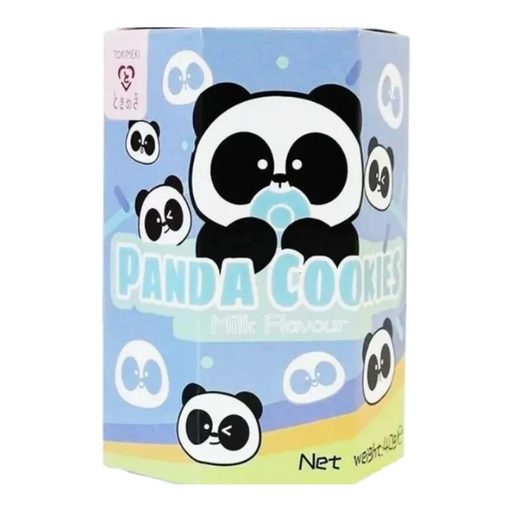
Why this fits the profile: The 40g size is manageable for anyone trying Japanese snacks for the first time, or looking for a small portion for school, work or on the go.
The net weight is clearly stated, and the panda shape doesn’t replace information about the ingredients. The packaging lists wheat and milk as allergens.
40g, light crispy texture, milk flavour and, according to the product information, no artificial colours or preservatives.
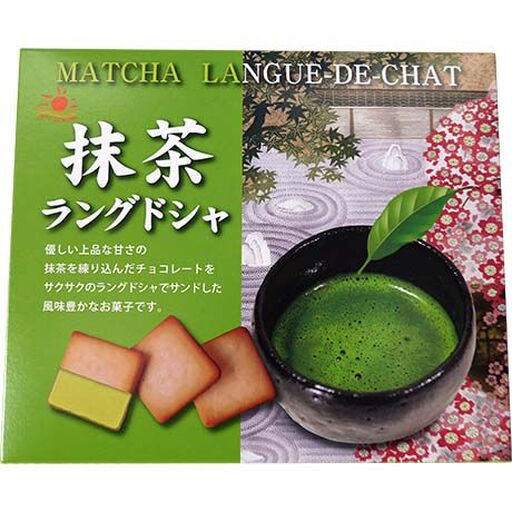
Why this fits the profile: These Japanese biscuits suit anyone looking for a distinctive flavour to enjoy during a quiet moment with green tea or coffee.
The product information lists both the matcha content of 0.6% and the weight of 90g. This helps you align your flavour expectations with what’s on the label.
Origin Japan according to the product information, matcha ingredient and a size suitable for serving with tea.
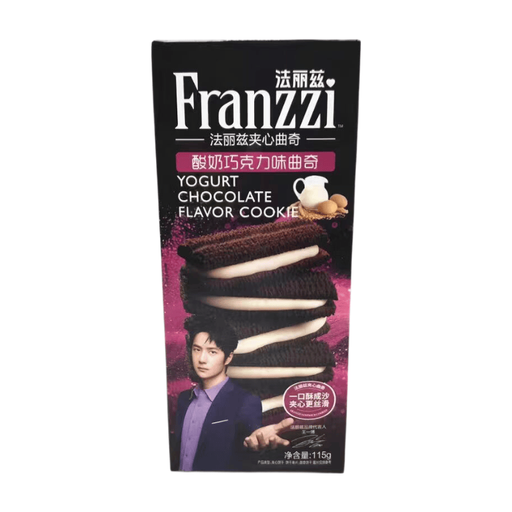
Why this fits the profile: The combination of yoghurt and chocolate flavour is ideal for anyone wanting variety and a larger pack for the office, guests or multiple tea breaks.
The origin (China) and net weight of 115g are stated. You’re not just paying for an Asian look; you can judge the product on concrete facts.
Crunchy biscuits, yoghurt and chocolate flavour, individually wrapped and 549 kcal per 100g according to the stated nutritional information.
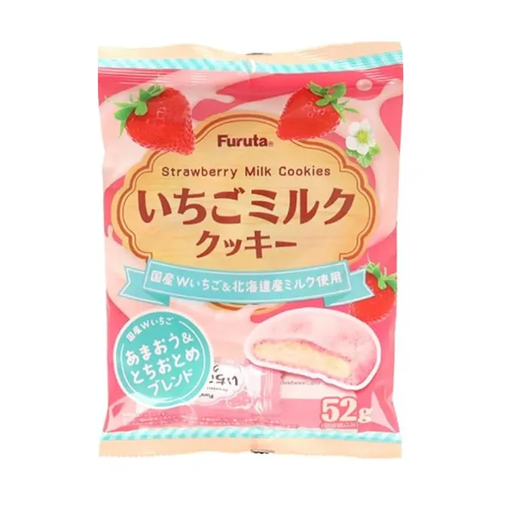
Why this fits the profile: The combination of strawberry and milk offers a sweeter option for anyone wanting to swap plain butter biscuits for Japanese strawberry biscuits.
The ingredients list includes strawberry powder and milk components. Wheat, milk, soya and egg are also listed as allergens.
52g, strawberry milk flavour and 460 kcal per 100g according to the nutritional information provided.
We’ve put together a full, up-to-date list of products that fully meet these strict selection criteria and comply with current European safety regulations.
No. Check the country of origin on the product page and packaging. Some products, such as the Nikko varieties, are listed as Japanese. Other Asian biscuits with, for example, matcha, milk or chocolate flavour may have been produced in China or another country.
Store biscuits in a cool, dry place away from direct sunlight. Seal the packaging well or use an airtight tin. This helps keep the crunchy texture for longer. Always check the best-before information on the packaging and do not use damaged packaging.
For tea, you could choose Nikko Matcha Cookies, Nikko Strawberry Cookies or a milk variety. Chocolate biscuits, filled biscuits or biscuits with coconut and latte flavour often go well with coffee. The right choice mainly depends on your preferred sweetness, texture and portion size.
