
Vandaag of morgen in huis

Kwaliteit gegarandeerd

Welkomstaanbiedingen ontgrendelen: GRATIS bezorging | Tot 80% korting | Gratis 30 dagen JoyPlus-proefperiode
Download de app
Hello, I'm Joybuy's Product Recommendation Officer. My job is to help you find products that are genuinely worth it, without the usual marketing fluff. You're likely here because you're searching for a very specific delicacy: Japanese baumkuchen. This soft, layered cake is a favorite among fans of Asian confections. In this article, I'll provide practical tips and an overview of some popular choices to help you easily find the right Japanese cake for you.
Before you make a choice, there are a few things worth knowing. This will help you find the baumkuchen that best suits your taste and preferences.
Traditional Japanese baumkuchen has a subtle, delicate sweetness with notes of milk and vanilla. Its texture is its most distinctive feature: soft, moist, and resilient, thanks to its many thin layers. Today, you can also find variations with other flavors like chocolate, banana, or lemon. Consider beforehand whether you want the classic experience or are eager to try something new.
A key advantage of many Japanese snacks is their packaging. Many baumkuchen are offered as individually wrapped cakes. This is not only great for preserving freshness but also ideal as an on-the-go treat or for portion control. Individual packaging ensures the layer cake remains soft and moist until the moment you eat it.
As with any food product, it's wise to check the ingredient list, especially if you have allergies or dietary restrictions. The base usually consists of wheat flour, eggs, sugar, and butter or oil. Pay close attention to the allergen information, which, according to EU guidelines, must be clearly stated on the packaging.
Below is a selection of currently popular baumkuchen. I've listed the key features of each product to help you choose.
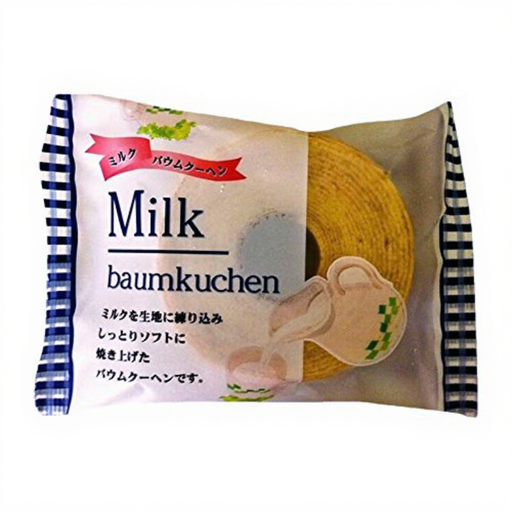
Why It Stands Out: This is a prime example of a classic Japanese baumkuchen. The focus is on a pure, creamy milk flavor and the signature soft, moist texture.
Pros:
Who It's For: Perfect for purists who want to experience the authentic taste of Japanese baumkuchen. It's also a great choice for those seeking a sophisticated, not-too-sweet treat to enjoy with tea or coffee.
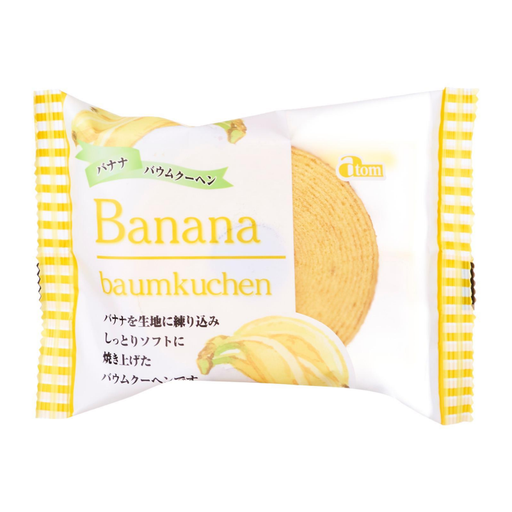
Why It Stands Out: This version adds a fruity twist to the classic layer cake. The addition of banana puree provides a natural, mild banana flavor that pairs beautifully with the soft cake.
Pros:
Who It's For: Ideal for lovers of fruity flavors and for those who want to try something different from the standard baumkuchen. Its subtle taste also makes it suitable for children.

Why It Stands Out: This baumkuchen combines the soft texture with a rich cocoa flavor. It's a more compact portion, making it a perfect little snack.
Pros:
Who It's For: A clear choice for chocolate lovers. If you're looking for a small, satisfying treat that combines the softness of baumkuchen with the richness of cocoa, this is a great option.
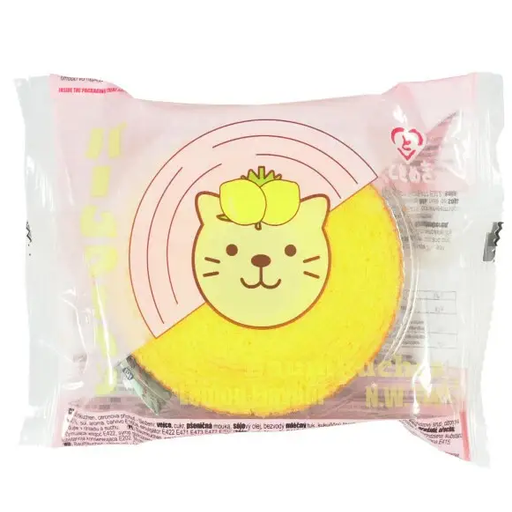
Why It Stands Out: The fresh lemon flavor gives this baumkuchen a surprisingly light and refreshing note. The combination of the soft cake with a hint of tartness makes for a unique experience.
Pros:
Who It's For: For those who love fresh, citrusy flavors. It's an excellent alternative if you sometimes find traditional cakes too heavy or sweet.
Baumkuchen is just one of the many delicious cakes Asian cuisine has to offer. If you're curious about other options, like castella cake, mochi, or other treats that pair perfectly with a cup of tea, there's much more to discover.
Explore our full range of tea cakes for more inspiration and find your next favorite snack.
Japanese baumkuchen is a ring-shaped cake that originated in Germany but has been perfected in Japan into a unique specialty of its own. The cake is made by baking thin layers of batter one by one on a rotating spit. This process creates the signature rings and results in an exceptionally soft and moist layer cake.
While the foundation is similar, there are clear differences. German baumkuchen is often firmer, drier, and sometimes finished with a crisp sugar or chocolate glaze. The Japanese version is typically much softer, fluffier, and more moist, with a more subtle, less sweet flavor.
There are no set rules. You can eat a slice of baumkuchen straight from the package as a quick snack. It's also a popular choice to accompany coffee or tea, much like a slice of cake. Some people serve it as a dessert, perhaps with a dollop of whipped cream or some fresh fruit.
