
Vandaag of morgen in huis

Kwaliteit gegarandeerd

Welkomstaanbiedingen ontgrendelen: GRATIS bezorging | Tot 80% korting | Gratis 30 dagen JoyPlus-proefperiode
Download de app
Buying Japanese and Asian snacks sounds simple, but the wide range of options can make comparing products difficult. Are you looking for Japanese biscuits, Asian sweets, mochi or a soft cake to enjoy with your tea? The packaging does not always provide enough information to make the right choice. Photos, flavour names and words such as “premium” reveal little about serving size, allergens or storage advice.
With this practical guide, start by checking verifiable product information. You can then choose more confidently from popular flavours such as matcha, chocolate, milk, mango and red bean.
“Strawberry”, “matcha” or “mango” may be displayed prominently on the front of the packaging, while the percentage of that ingredient is limited. For example, Meiji Chocorooms lists 1.0% strawberry powder in its ingredients. This does not mean that the snack has no strawberry flavour, but it does mean you should not confuse the image with the actual composition.
So always check the ingredients and see where the named ingredient appears in the list. Ingredients are generally listed in descending order by weight.
Japanese biscuits and Asian desserts are often sold in packs weighing between 36 and 90 grams. This is convenient for a lunchbox, workplace or tasting session, but the price per 100 grams may be higher than that of a larger pack.
So do not compare the total price alone. Also look at:
A small pack is particularly practical when you want to try different flavours or avoid waste.
Mochi, cakes and filled dorayaki respond differently to storage than dry chocolate biscuits. Mochi can become harder or drier after opening if the packaging is not sealed properly. Some cakes need to be refrigerated, while other Japanese snacks should be kept in a cool, dry place.
Always follow the label on the packaging. Do not use a product if the packaging is damaged, and check the shelf-life information before ordering or consuming it.
For consumers in the Netherlands, allergens are an important purchasing consideration. Check for:
Product information may vary between packs. If in doubt, use the latest ingredients list shown on the physical label. Do not assume that a product is “gluten-free” or “free from artificial colourings” based on its name alone; check that this is actually stated on the packaging or in the product information.
Think about what you are looking for beforehand:
Matcha biscuits often have an earthy, slightly bitter flavour. Red bean snacks are sweet and contain azuki bean paste. If you are unfamiliar with these flavours, it is best to start with a small pack.
Nutritional values are usually given per 100 grams, while the actual pack is smaller. An 80-gram cake therefore does not automatically contain the amount shown in the table per 100 grams. When comparing products, calculate the values for the actual serving.
For example, Atom Japanese Chocolate Baum Cake lists 420 kcal per 100 grams. The pack weighs 80 grams, so the amount in one complete cake is lower than the value shown in the table. Also check sugar, saturates and salt when comparing different chocolate biscuits or cakes.
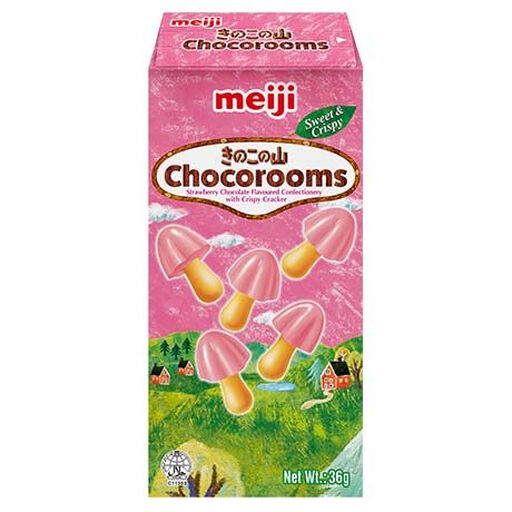
Why it suits this profile: The 36-gram pack is ideal for trying a new strawberry and chocolate combination without immediately buying a large quantity.
The net weight and ingredients are clearly stated. This allows you to take the small portion size and percentage of strawberry powder into account when comparing products.
36 grams; a combination of chocolate and strawberry flavours; contains wheat and milk, which are easy to check in advance.
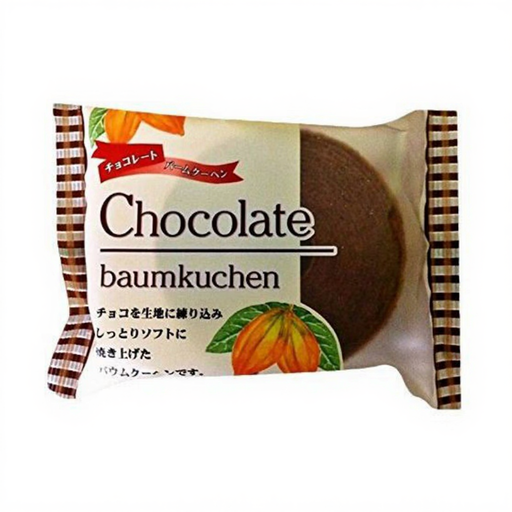
Why it suits this profile: Fans of layered cakes can enjoy a soft chocolate-flavoured baumkuchen in an individually wrapped 80-gram portion.
The product information provides the weight, nutritional values, ingredients, allergens and storage advice. This prevents you from relying solely on the product photo or flavour name.
80 grams; soft layered texture; chocolate flavour; individually wrapped according to the product description.
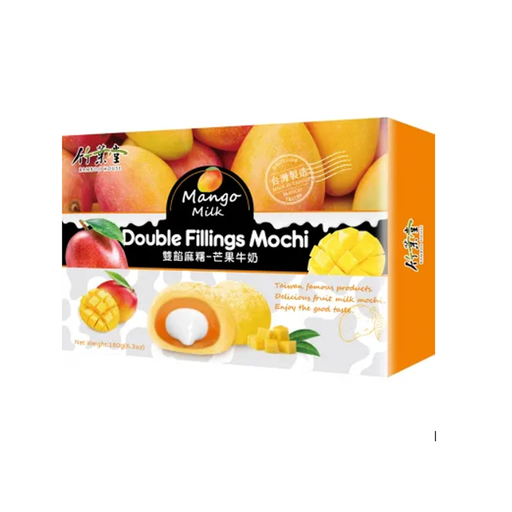
Why it suits this profile: The larger pack and individually wrapped mochi are ideal for sharing, a dessert table or several snacking occasions.
The storage advice states that opened mochi should be sealed airtight. This helps you account for the sensitivity of the rice layer after opening.
180 grams; double filling with mango and milk; individually wrapped; country of origin Taiwan according to the product information.
We have put together a complete, up-to-date list of products that fully meet these strict selection criteria and the applicable European safety regulations.
For a classic soft snack, Yuki & Love Dorayaki with red bean filling are a great choice. The 55-gram version contains wheat, egg and soya; the 130-gram mini version is convenient when you are looking for several smaller portions.
Fans of distinctive flavours can try Nikko Matcha Cookies. According to the product information, this variety contains 0.6% matcha as well as wheat, milk, egg and soya. For a milder flavour, Furuta KAMAYAKI Milk Cookies are an option with a milky flavour profile. Be sure to check the allergens here too.
If you prefer to combine chocolate with playful shapes, choose Meiji Hello Panda Biscuits or Tokimeki Panda Biscuits. For a fruity option, Taiwanese snacks such as lychee or peach mochi are also worth comparing.
Start with a small pack of chocolate biscuits, milk biscuits or dorayaki with red bean filling. These textures and flavours are generally easier to recognise than matcha or chewy mochi. If you are unsure, choose several small packs instead of one large bag.
Store mochi according to the label and seal the packaging or a storage container properly. The rice layer can dry out when exposed to air. Ideally, eat opened mochi within the stated period and check its texture and smell before eating.
First check whether the product should be stored at room temperature or refrigerated. Then look at the weight, ingredients, allergens and best-before date. With cakes such as baumkuchen and milk cake, serving size is also relevant, as nutritional values are often given per 100 grams.
