
Vandaag of morgen in huis

Kwaliteit gegarandeerd

Welkomstaanbiedingen ontgrendelen: GRATIS bezorging | Tot 80% korting | Gratis 30 dagen JoyPlus-proefperiode
Download de app
Buying a jacket seems straightforward – until you’re outside and realise the fabric lets the wind through, the sleeves are too short or there isn’t enough room for an extra layer. When choosing jackets for women and men, the right option isn’t just about colour or brand. How you’ll use it, how it fits and its technical features all determine whether it works well in town, on a walk or when you’re travelling.
A product title may describe a waterproof jacket, but it’s not always clear how the protection works. Check whether the product information mentions a waterproof outer layer, taped seams, a membrane or a water-repellent treatment. A water-repellent finish is not the same as full protection in prolonged rain.
A thick jacket doesn’t automatically feel warmer. A fleece jacket can be comfortable as a mid-layer, but it’s usually not designed to be your only protection from heavy rain. A parka with synthetic insulation is better suited to cold days, while a lightweight outdoor jacket may be more comfortable during exercise.
Pay attention to ventilation, too. A jacket that traps heat but doesn’t wick away moisture well can feel clammy when you’re walking or cycling.
A women’s or men’s jacket should fit over more than just a T-shirt. If you want to wear a fleece or jumper underneath, you’ll need extra room to move around the chest, shoulders and arms. When shopping online, check the size chart in centimetres and compare it with a jacket that already fits you well. Unisex styles can feel differently proportioned from jackets designed specifically for women or men.
For everyday wear in changeable conditions, a system with several layers is often practical:
A fleece-lined jacket can work well for commuting and leisurely walks. For camping, skiing or mountain hikes, combining a breathable mid-layer with a protective shell is often more versatile.
Don’t just look for the word “waterproof”; check how the jacket is constructed. Look for:
For example, the product information for The North Face Quest Jacket mentions a fully taped construction, DryVent fabric, a mesh lining and a DWR finish. According to the product information, this model is designed as a breathable shell for walking. The performance of treatments can change with wear and washing, so always follow the care label.
A hooded jacket offers extra protection in rain and wind, but the fit around your face matters. An adjustable drawcord can help the hood fit more closely. Also check the number of pockets, the fastening and the length.
For cyclists, construction professionals and anyone working outdoors in the dark, a reflective safety jacket can be a useful choice. When choosing safety clothing, always check the stated standard and class. The Dunlop Safety Jacket is listed in the product information as class 3 to standard 471 and has reflective bands. For professional use, check that the specification is suitable for your risk assessment and working environment.
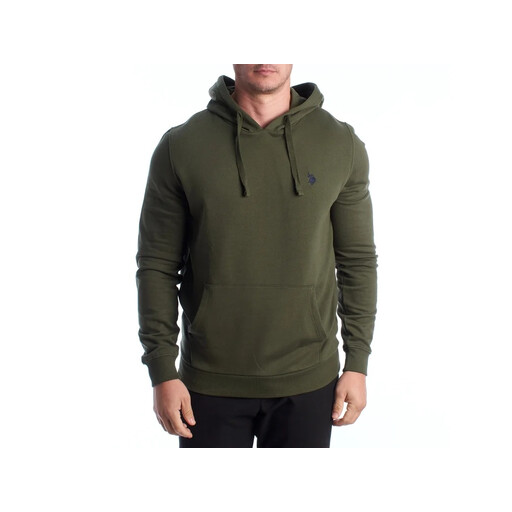
Why it suits this profile: This hoodie is suitable for everyday wear and cooler days when you want a comfortable layer. The cotton fabric with a thick fleece lining can be worn on its own or under an outer jacket.
The product information clearly lists the fleece lining, hood, kangaroo pocket and ribbed cuffs. This makes it easier to see what the jacket is designed for: warmth and comfort, rather than protection from heavy rain.
Thick fleece lining, adjustable hood and a cotton-polyester blend of 60% cotton and 40% polyester.
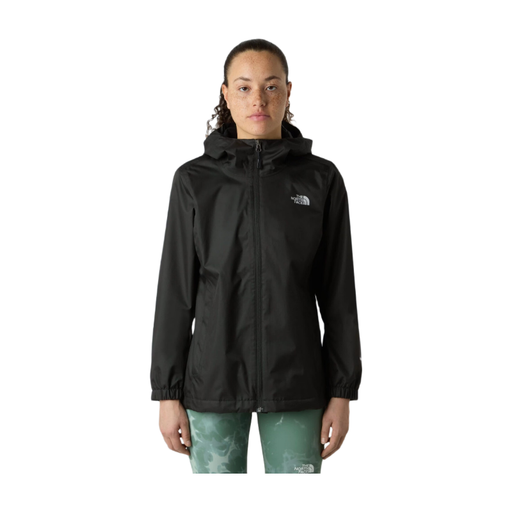
Why it suits this profile: According to the product description, this women’s jacket is designed for walking and changeable weather. Its shell construction leaves room to wear a fleece jacket as a mid-layer.
The listing mentions taped seams and an adjustable hood, rather than making only a general claim about rain protection. The mesh lining is designed to support comfort.
100% polyester DryVent shell, taped seams, adjustable hem and two zipped pockets.
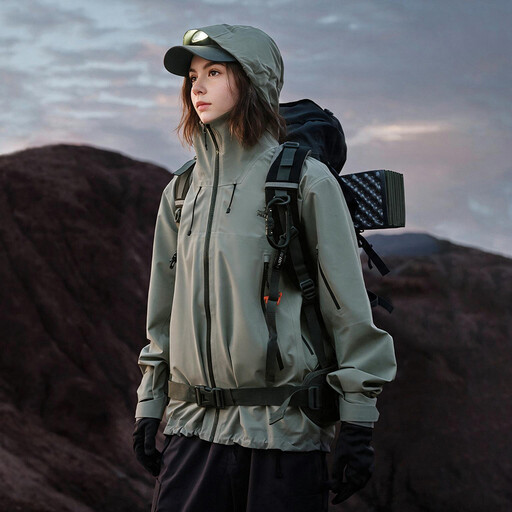
Why it suits this profile: This unisex outdoor jacket is designed for camping, travelling, walking and conditions with wind or rain. The ventilation zips can come in handy during exercise.
The product description covers protection from water and wind, as well as a mesh lining, ventilation zips and a size chart with garment measurements in centimetres. Check these details before ordering.
Underarm ventilation zips, adjustable sizing and a shell described in the product information as wind- and water-resistant.
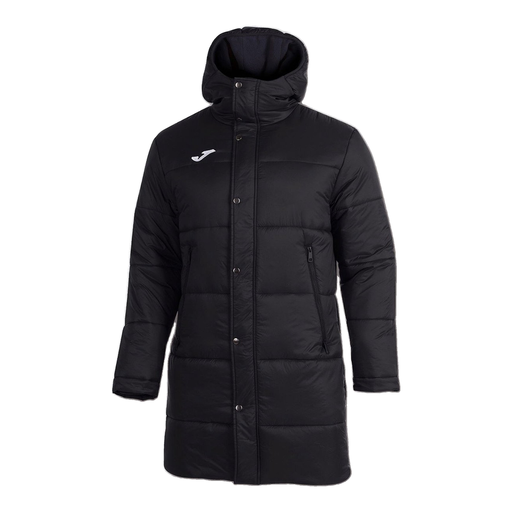
Why it suits this profile: This men’s jacket has an insulated construction, fleece lining and a hood. It’s well suited to everyday wear in cold weather and leisurely outdoor activities.
The product information lists the insulation, water-resistant outer layer, adjustable cuffs and pockets separately. This makes it easier to compare the jacket based on specific features.
Fleece lining, adjustable hood and cuffs, multiple pockets and an outer layer described in the listing as waterproof.
We’ve put together a complete, up-to-date list of products that meet these strict selection criteria and current European safety regulations.
When shopping online, always use the specific size chart for the product. Check the chest, shoulder width, sleeve length and jacket length. With an outdoor jacket, room to move is more important than a very close fit. For a winter jacket, allow room for a jumper or fleece underneath.
Care affects how long your jacket lasts. Fasten zips and hook-and-loop closures before washing, use the temperature shown on the label and avoid tumble-drying if the care instructions advise against it. A water-repellent treatment can become less effective over time; follow the manufacturer’s instructions if you need to reapply it.
Look for a jacket with a stated water- and wind-resistant outer layer, an adjustable hood, sealed seams and adjustable cuffs. For active walks, ventilation zips and a breathable lining are useful features.
A fleece jacket helps retain warmth, but usually offers limited protection from rain and strong winds. Wear fleece as a mid-layer under a parka or shell when you need extra protection.
It depends on the material, how often you wear it and how well you care for it. Zips, cuffs and outer fabric will wear out more quickly with intensive daily use than with occasional wear. Check the seams, fastenings and water-repellent layer regularly, and follow the washing instructions to help prevent unnecessary wear.
