
Vandaag of morgen in huis

Kwaliteit gegarandeerd

Welkomstaanbiedingen ontgrendelen: GRATIS bezorging | Tot 80% korting | Gratis 30 dagen JoyPlus-proefperiode
Download de app
In the Netherlands, a jacket needs to cope with changeable weather, but it should also suit your everyday activities. Looking for a style for cycling, walking, running, training or commuting? You’ll soon come across terms such as waterproof jackets, windproof jackets, outdoor jackets and sports jackets. But these terms don’t always tell you enough about a product’s actual features.
Look out for these common pitfalls:
With waterproof jackets, the fabric isn’t the only thing that matters. Fully taped or sealed seams reduce the risk of moisture getting in through the stitching. A jacket with a water-repellent coating may be suitable for short showers, but always check exactly what the product description says.
According to the product information, The North Face Quest Jacket is made from 2L DryVent material, with sealed seams, a DWR finish and a mesh lining. DryVent is a brand name, so describe its performance as a stated product feature rather than a universal guarantee of staying dry.
A windproof jacket is useful for cycling, walking and running in a chilly breeze. However, a higher level of protection may feel warmer during intense exercise. So look for:
For training jackets and walking jackets, the balance between wind protection and ventilation matters more than a long list of technical terms.
Polyester is often used for lightweight outdoor and sports jackets. Elastane can provide extra freedom of movement. A cotton blend may feel more comfortable in a stylish men’s jacket or an everyday jacket, but it isn’t automatically suitable for prolonged rain.
Also check:
A coating or DWR finish can gradually become less effective with washing and wear. Follow the manufacturer’s care advice, and don’t use bleach if it’s not recommended.
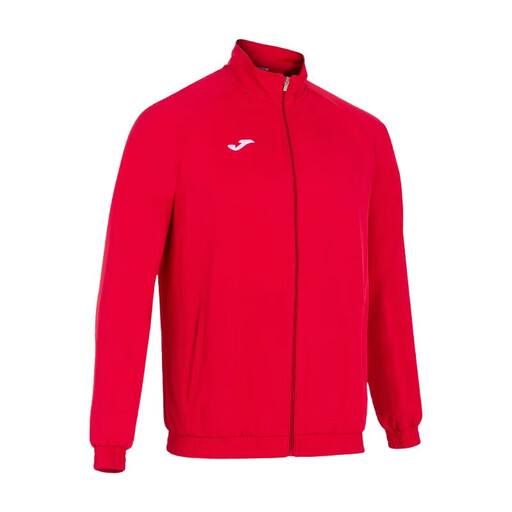
Why it suits this profile: This lightweight jacket has a fitted look and is suitable for casual or smarter occasions. Its red colour stands out without the need for a technical outdoor jacket.
The product information describes a lightweight construction and a regular fit. Be sure to check the exact composition and size guide before ordering; this style isn’t described as a waterproof rain jacket.
Fitted cut, zip fastening and zipped pockets. According to the product description, the style is made from polyester and elastane.

Why it suits this profile: This style is designed for walking and changeable weather. Its neutral colour and longer, standard fit make it suitable for outdoor activities and everyday wear.
The product description mentions sealed seams and an adjustable hood. The DWR finish may need care, so follow the washing instructions and don’t overlook the importance of proper maintenance.
According to the product details: DryVent material, mesh lining, two zipped pockets and an adjustable hem.

Why it suits this profile: This style is designed for running and training in changeable conditions. The hood, chest pocket and hand pockets are useful for staying practical while you exercise.
According to the brand description, the jacket has sealed seams and DryVent fabric. If you’ll be using it for intense activity, check that the fit gives you enough room to move and care for the DWR finish as directed on the label.
Made from 100% recycled polyester according to the product information, with elasticated cuffs and zipped pockets. The size guide runs from XS to 3XL.

Why it suits this profile: According to the product description, this 3-in-1 jacket can be worn as a complete system or with the layers separately. It’s a good option if you want one system to suit a range of outdoor temperatures.
The layers offer more flexibility than a single fixed winter jacket. Before choosing this style for long walks, check its weight, how much room it allows you to move and the specific materials it’s made from.
According to the product details, it has an outer layer, a down inner layer, an adjustable hood, underarm zips and adjustable cuffs.
We’ve put together a full, up-to-date list of products that meet these strict selection criteria and comply with current European safety regulations.
Look for a combination of waterproof fabric, sealed seams, an adjustable hood and closed cuffs. A DWR finish helps protect you from light rain, but check whether the manufacturer actually describes the style as waterproof. For heavy rain, a technical shell is usually a better choice than a casual jacket.
Measure your chest, waist and, if needed, hips, then compare these measurements with the size guide for the specific style. Allow room for a mid-layer if you’ll be wearing the jacket in autumn or winter. Also check the sleeve length and shoulder fit. Even if the product information says a style is “true to size”, it may still feel different depending on the cut and what you wear underneath.
It depends on how you’ll use them. A 3-in-1 jacket gives you flexibility, as you can wear the layers separately or together. Two separate jackets can sometimes offer more choice in fit, weight and style. So compare more than just the price: consider the materials, care, warmth, ventilation and how often you’ll actually use both layers.
