
Vandaag of morgen in huis

Kwaliteit gegarandeerd

Welkomstaanbiedingen ontgrendelen: GRATIS bezorging | Tot 80% korting | Gratis 30 dagen JoyPlus-proefperiode
Download de app
Buying a jacket seems simple, until you have to choose between a waterproof jacket, winter coat, outdoor jacket, fleece jacket or parka. Marketing copy often focuses on eye-catching figures and technical names, while important details remain less visible. Think limited freedom of movement, unclear sizing or a water-repellent layer that needs maintenance.
Use this practical buying guide to compare women’s and men’s jackets based on intended use, material, fit and verifiable product specifications.
A jacket with a DWR finish can temporarily make raindrops roll off the fabric. That does not automatically mean the jacket will keep out heavy rain for long periods. Check whether the product description refers to a waterproof membrane, taped seams or a hydrostatic head measurement.
Even a waterproof jacket has its limits. Open zips, pockets and hood openings can let water in. A rain jacket may be sufficient for commuting, while camping or trekking calls for greater protection.
A thick puffer jacket may look warm, but the insulation, lining and fit determine how useful it is. A jacket that is too loose lets cold air in. A model that is too tight restricts your freedom of movement and leaves little room for a fleece jacket or thermal mid-layer.
When choosing a women’s or men’s winter coat, pay attention to the type of filling, the closure around the wrists, the length and whether you can wear layers underneath.
Sizes vary between brands and models. So do not look only at S, M or L. Compare chest, waist, hip and sleeve measurements with your own body measurements. A walking or trekking jacket also needs to allow room for movement and layers.
A jacket with an adjustable hem, cuffs and hood can improve the fit. Also check that the sleeves are long enough when you stretch your arms forwards, for example when cycling.
Some product descriptions use a hydrostatic head measurement in millimetres. This is a laboratory measurement indicating how much water pressure the fabric can withstand according to the stated test method. A higher value can be useful in prolonged rain, but it does not tell you everything about zips, seams and wear.
For breathability, you may see MVTR, expressed in grams per square metre per 24 hours. This indicates how much water vapour the fabric can transport according to the stated method. Treat it as a technical indication, not a guarantee that you will stay dry during intense exercise.
A windproof jacket works better when the hood, hem and cuffs fit closely. A high collar and storm flap behind the zip can help reduce draughts. For cycling and walking, adjustable features are often more practical than a loose, generous fit.
Polyester and polyamide are often used for outer shells because they are lightweight and hard-wearing. Cotton feels comfortable, but is less suitable if you are looking for prolonged protection from rain. Down can provide plenty of warmth at a low weight; synthetic filling is generally easy to care for and remains useful in damp conditions, depending on the construction.
Always follow the care label. Some jackets must not be tumble-dried, while for other models, a warm, gentle drying cycle may help reactivate the water-repellent finish, according to the manufacturer. According to The North Face product description, professional re-proofing may be required to maintain the water-repellent performance.
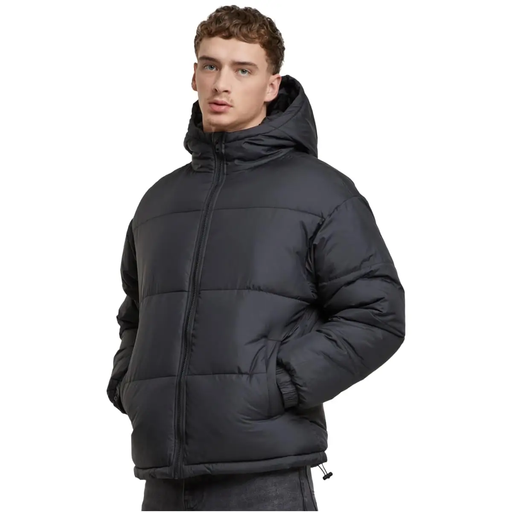
Why it suits this profile: A simple model for everyday use in the city, shopping and commuting in cold weather.
The product information specifies the materials: a polyamide outer layer, polyester filling and polyester lining. However, check the care label and sizing before buying.
100% polyester filling, a hood and a black colour that is easy to combine.

Why it suits this profile: For anyone who wants to use one system in changeable conditions and during longer outdoor activities.
The 3-in-1 construction means you do not need a separate jacket for every type of weather. According to the product description, the layers can be worn separately or together.
GORE-TEX outer material, a PFC-free DWR finish and 550 fill power down lining according to the product details.

Why it suits this profile: Designed for camping, walking, trekking and everyday cycling in changeable weather.
The description specifies a separate outer layer and fleece lining, so according to the product construction, you can wear the jacket as a shell, lining or combination.
According to the product details: hydrostatic head 35.900 mm, MVTR 16.000 g/m²/24 hours and more than 40,000 abrasion cycles according to JIS references.
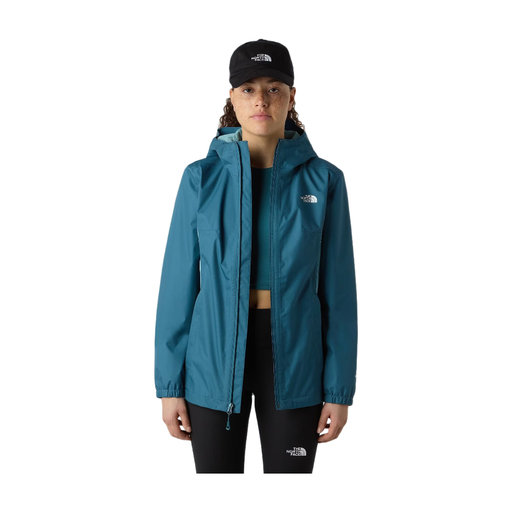
Why it suits this profile: A technical women’s jacket for walking and wet, windy conditions, with enough room to wear it as a standalone outer layer.
The size information lists chest, waist, hip and arm lengths. This allows you to check the fit instead of relying solely on the letter size.
DryVent material according to the product description, adjustable cuffs and a system for compatible Triclimate layers.
We have compiled a complete, up-to-date list of products that fully meet these strict selection criteria and the applicable European safety regulations.
Look for a waterproof membrane, taped seams, an adjustable hood and closable cuffs. A water-repellent jacket may be sufficient for short showers. In prolonged rain, a rain jacket or outdoor jacket with verifiable waterproofing is the more logical choice.
Measure your chest, waist and, if applicable, hips while wearing thin clothing. Compare these measurements with the size chart for the specific model. If you want to wear a fleece jacket or jumper underneath, allow extra room without the shoulders sagging.
Its lifespan depends on use, material, seams and care. A jacket used for everyday cycling wears differently from one used for occasional walks. Wash it according to the label, fasten the zips before washing and store the jacket somewhere dry. With a waterproof jacket, regularly check whether the outer layer is still beading water and follow the manufacturer’s care instructions.
