
Vandaag of morgen in huis

Kwaliteit gegarandeerd

Welkomstaanbiedingen ontgrendelen: GRATIS bezorging | Tot 80% korting | Gratis 30 dagen JoyPlus-proefperiode
Download de app
In the UK, a jacket needs to cope with more than just a chilly morning. Rain, wind, cycling, walking and changeable temperatures all call for different features. Yet many jackets look much the same online. A glossy product photo or a term such as “all-weather” doesn’t automatically tell you enough about warmth, waterproofing or comfort.
The most common pitfalls when buying jackets are:
For cold days, winter jackets, padded jackets and parkas are sensible choices. Look out for:
A jacket with synthetic filling is practical for everyday wear and can be easy to care for. For example, the Urban Classics Basic Puffer Jacket lists 100% polyester filling, a polyamide outer layer and a polyester lining. This makes it particularly appealing for cold days in the city. However, the product information doesn’t describe it as a technical mountain jacket, so don’t assume it’s suitable for prolonged heavy rain or challenging hikes.
When choosing waterproof jackets and rain jackets, look beyond the marketing name. Check whether the description mentions:
According to The North Face product description, the Quest Jacket uses a fully seam-sealed DryVent construction with a DWR finish. These are verifiable product features. Performance can decline over time due to wear and incorrect washing, so always follow the care label and don’t treat a coating as permanent.
For the PELLIOT fleece-lined 3-in-1 jacket, the manufacturer lists a hydrostatic head of 35.900 mm H₂O, breathability of 16.000 g/m²/24 hours and abrasion resistance of more than 40,000 rub cycles. These figures come from the brand’s product information. They’re useful for comparing styles, but don’t guarantee performance in every situation.
A jacket that’s too tight can restrict your movement and leave little room for layers. One that’s too loose may let draughts in. Measure yourself using the size chart for the specific product.
Also think about how you’ll use it:
Care also affects how long a jacket remains wearable. Some styles are machine washable, while others must only be hand-washed. For example, the Joma Doha Navy Jacket specifies hand-washing at a maximum of 30 °C, no bleach, no tumble drying and no ironing. That’s a different care routine from a padded jacket that can be tumble-dried at a low temperature.
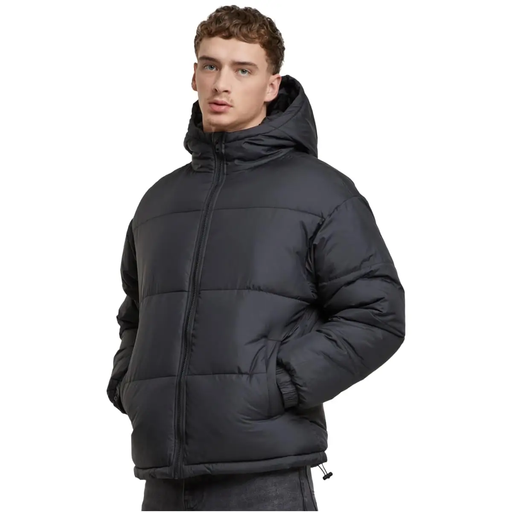
Why it suits this profile: A practical style for everyday wear, commuting and cold days in the city. The hood and padded construction pair easily with casual clothes.
The product page lists the materials, sizing and care instructions. This makes it easier to assess warmth and care requirements than relying on a product photo alone.
100% polyester filling, polyamide outer layer, hood and sizes available up to XXL.

Why it suits this profile: Designed for women who enjoy walking, travelling and spending time outdoors, and want a technical shell without a heavy insulating layer.
According to the product description, the jacket has fully sealed seams and DryVent fabric. The specifications make it clear that this is primarily a protective outer layer; you’ll need an extra layer in cold weather.
Waterproof and windproof according to the product page, adjustable hood, mesh lining and sizes from XS to 3XL.
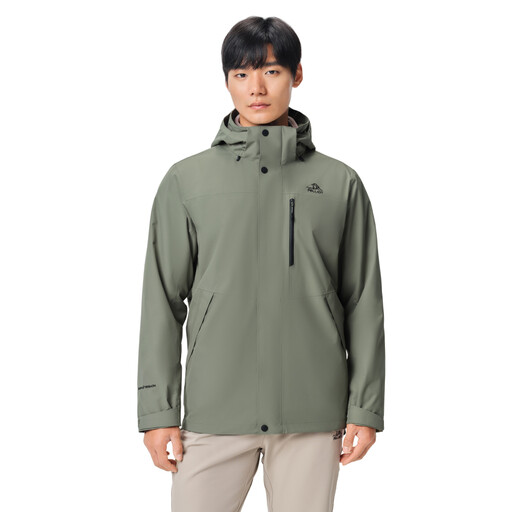
Why it suits this profile: Made for camping, trekking, travelling and commuting when you need versatile layers.
The manufacturer lists separate outer and inner layers, along with specific waterproofing and breathability ratings. This makes it clear that “3-in-1” is more than just a marketing term.
3-in-1 design, fleece-lined inner layer, adjustable hood and sizing advice based on height and weight.
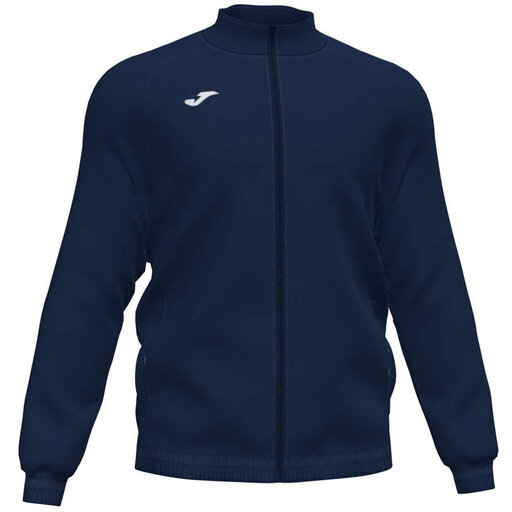
Why it suits this profile: A lightweight men’s style for the office, events and smart-casual wear. The navy colour goes easily with dark and neutral clothing.
The product information describes a slim fit, lightweight fabric and a polyester-elastane blend. This makes it clear that it’s not a padded winter jacket or a rain jacket.
Navy colour, regular fit, zip fastening and a lightweight, breathable fabric according to the product description.
We’ve put together a complete, up-to-date list of products that meet these strict selection criteria and the applicable European safety regulations.
Choose a rain jacket or outdoor jacket with sealed seams, an adjustable hood and a clear waterproof rating. A DWR coating helps with light rain, but doesn’t always replace a waterproof membrane construction. Check the care instructions too: washing the jacket incorrectly can affect its water-repellent performance.
Measure your chest, waist and, if relevant, hips while wearing a thin shirt, then compare these measurements with the chart on the product page. For walking and cycling, extra room for a jumper or fleece is useful. Also check the sleeve and back lengths: a jacket may fit well across the chest but be too short in the arms.
Its lifespan depends on how often you wear it, the material, friction and how you care for it. Wash the jacket according to the label, fasten the zips before washing and avoid heat if the instructions say not to use it. With technical jackets, reproofing according to the instructions can help maintain their water-repellent properties. When buying, also check the product warranty and your statutory consumer rights.
