
Vandaag of morgen in huis

Kwaliteit gegarandeerd

Welkomstaanbiedingen ontgrendelen: GRATIS bezorging | Tot 80% korting | Gratis 30 dagen JoyPlus-proefperiode
Download de app
In the Netherlands, a jacket needs to do more than look good. Rain, wind, cycling, changing temperatures and everyday use all place different demands on it. Yet many people choose mainly based on colour, brand or an appealing product claim. As a result, a jacket can sometimes turn out to be too warm, not breathable enough or difficult to wear with a jumper once you get it home.
The main pitfalls when buying jackets are:
The right choice starts with the situation in which you will wear the jacket most often.
That is why there are clear differences between men’s jackets, women’s jackets, outdoor jackets, walking jackets and camping jackets. Consider how you will use the jacket first, then look at the brand and appearance.
For rain jackets and waterproof jackets, the construction matters more than simply the word “waterproof”. A higher hydrostatic head indicates how much water pressure the material can withstand according to the testing method used. Also check whether the seams are taped or sealed. Unfinished seams can become a weak point during prolonged rain.
A water-repellent DWR layer is a surface treatment. According to product information from various brands, this layer may need to be maintained again after use and washing. Therefore, follow the care label and do not use fabric softener if the manufacturer advises against it.
A jacket may keep out the rain but still feel clammy when cycling or walking. Look for a stated MVTR value, ventilation zips under the arms and a lining that can wick moisture away. A technical hardshell jacket is primarily designed as a protective outer layer; in cold conditions, combine it with a fleece jacket or insulating layer.
Breathability claims come from the manufacturer’s product information. They describe test results under specific conditions and are not a guarantee that every wearer will have the same experience.
Do not assess a jacket based on body measurements alone; check the product measurements too. A regular fit generally offers more room for a jumper than a slim fit. With a 3-in-1 jacket, the outer layer must be roomy enough when both parts are worn together.
Also look at:
For models such as PELLIOT jackets, the measurements often list length, chest, shoulder width and sleeve length for each size. Use these figures alongside your own measurements rather than relying solely on the stated size.
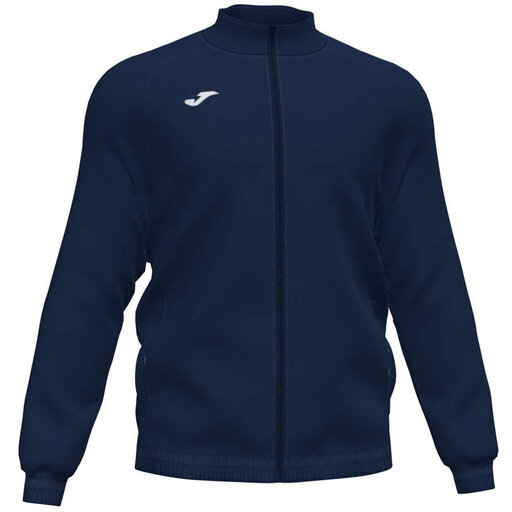
Why it suits this profile: This navy jacket has a regular fit, zip fastening and lightweight fabric for everyday wear, business appointments or casual outfits.
The product information states that it has lightweight, breathable fabric and should be cared for on a delicate wash programme. Check the label before using it in prolonged rain.
Navy colour, regular fit, 95% polyester and 5% elastane according to the product details.

Why it suits this profile: The combination of an outer shell and a down inner jacket is suitable for changing conditions when travelling, walking and spending time outdoors every day.
According to the product description, the two layers can be worn separately or together. This means you are not restricted to one fixed level of warmth for every situation.
GORE-TEX material according to the product details, 550-fill-power down insulation, plus an adjustable hood and cuffs.
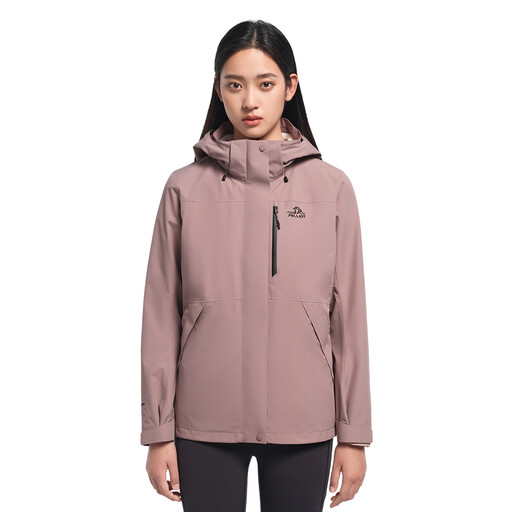
Why it suits this profile: For camping, mountain walks and commuting, this model offers a separate outer layer, inner layer or combined 3-in-1 configuration, according to the product information.
The product description states a hydrostatic head of 35.900 mm H₂O and breathability of 16.000 g/m²/24 hours according to the JIS method. When buying, check whether these values apply to your model and size.
Fleece-lined inner layer, adjustable hood, hem and cuffs; the manufacturer also states more than 40.000 abrasion cycles.
We have put together a complete, up-to-date list of products that fully meet these strict selection criteria and the applicable European safety requirements.
Even a jacket with good specifications can wear out quickly if it is washed incorrectly. Fasten zips and hook-and-loop closures before washing, use the programme and detergent specified on the label, and avoid fabric softener when it is not permitted. Dry fleece jackets, hardshell jackets and puffer jackets according to the manufacturer’s instructions.
A water-repellent finish may need maintenance. According to The North Face’s product information, DWR can only be reactivated under certain conditions and in accordance with the label. So do not assume that one general care method is suitable for every jacket.
Choose a rain jacket with a hood, adjustable cuffs and enough freedom of movement. For intensive cycling, breathability and ventilation zips are important. Also check the seams and the stated hydrostatic head. A separate hardshell can be practical if you want to wear a fleece jacket underneath.
Measure your chest, waist, hips and sleeve length, then compare these measurements with the size chart for the specific model. Consider the clothing you will wear underneath. A winter coat or 3-in-1 jacket often needs extra room for layers, while a smart blouson can usually fit closer to the body.
A winter coat is a broad category covering warm, insulated coats. A parka is usually longer, often has a hood and covers more of the body. However, warmth depends on the filling, lining, fastening and fit. Always check the material and product details rather than relying on the name alone.
