
Vandaag of morgen in huis

Kwaliteit gegarandeerd

Welkomstaanbiedingen ontgrendelen: GRATIS bezorging | Tot 80% korting | Gratis 30 dagen JoyPlus-proefperiode
Download de app
Buying a jacket seems simple until you find yourself outside with sleeves that are too short, fabric that lets rain through or lining that does not provide enough warmth. Anyone looking for jackets for women and men also has to navigate a host of marketing terms. A water-repellent jacket is not automatically waterproof, and a reflective jacket does not necessarily meet the requirements for safe working conditions.
This buying guide helps you compare different types of jackets based on intended use, materials, fit and verifiable product specifications. That way, you can more easily find a winter jacket, outdoor jacket, work jacket or motorcycle jacket to suit your needs.
A coating may temporarily keep out light rain, but that tells you little about prolonged exposure to heavy showers. Check whether the product mentions a hydrostatic head rating, membrane or taped seams. Also pay attention to zips and pockets: water can get in through these areas even when the outer fabric has been treated.
A thick puffer jacket is not always practical for cycling or walking. Warmth depends on the filling, lining, wrist closures and the jacket’s ability to keep cold air out at the hem. A fleece jacket can be comfortable as a mid-layer, but it usually offers less protection from rain than a jacket with a technical outer layer.
A fluorescent yellow jacket is highly visible, but visibility in poor light also depends on retroreflective bands and the relevant standard. With high-visibility jackets for working in traffic or by the roadside, check which standard and class are actually stated on the product label and in the documentation. Do not treat a product description as a substitute for your employer’s requirements or safety plan.
For everyday use in the Netherlands, the following features are relevant:
According to information provided by PELLIOT, some models list a hydrostatic head rating of 35.900 mm H₂O and breathability of 16.000 g/m²/24 hours. Treat these figures as the brand’s product specifications and always compare the testing method and intended use.
Polyester is widely used in women’s and men’s jackets because it can be lightweight and easy to care for. Performance does, however, vary depending on the weave and coating. A puffer jacket with a polyester outer fabric may be suitable for cold days, while a 3-in-1 jacket offers greater flexibility through its outer layer and removable lining.
Also check:
Measure your chest, waist, hips and arm length if required by the size guide. Allow room for a jumper or thermal layer underneath the jacket. An overly loose jacket can catch when cycling or working, while a jacket that is too tight restricts your freedom of movement.
With protective motorcycle clothing, a close-fitting design is particularly important. According to the product information for the motorcycle protectors mentioned, loose protectors can shift out of position. Always check that the shoulder straps, waist strap and fastenings are adjusted correctly. A motorcycle protector also does not automatically replace a jacket with the required motorcycle clothing certification.

Why it suits this profile: This men’s puffer jacket is designed for everyday use on cold days and features a hood, elasticated cuffs and an elasticated waist.
The product information lists specific fastenings and pockets, so you do not have to judge it by appearance alone. Waterproofing is not mentioned, so do not use this jacket without an additional rain layer during prolonged rain.
100% polyester according to the product information, half-zip fastening, one inside pocket and one outside pocket. Hand wash and do not tumble dry.
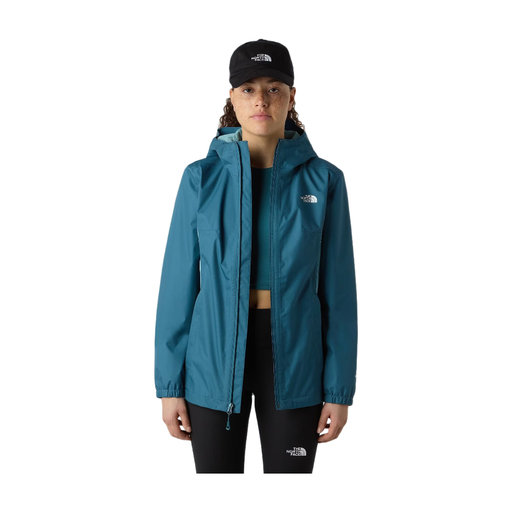
Why it suits this profile: This women’s jacket is designed for walking and outdoor activities in wet and windy conditions.
According to information provided by The North Face, the jacket features DryVent technology. Check the current product specifications before buying and make sure the size leaves room for a mid-layer.
100% polyester, adjustable hood, elasticated cuffs and zipped pockets. According to the description, the model can be worn as a standalone layer or as a zip-in layer.
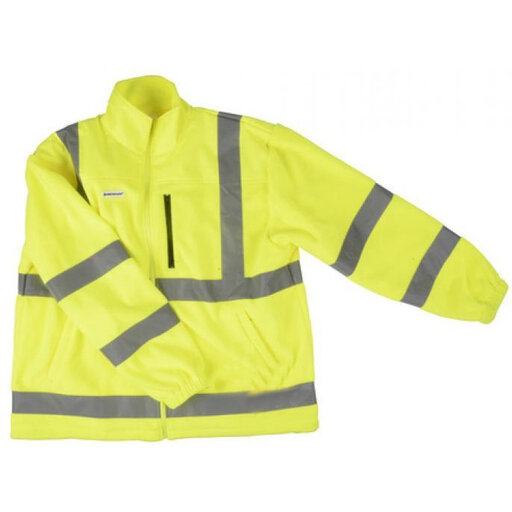
Why it suits this profile: For working by the roadside, on building sites or in other environments where visibility is important.
The product page mentions retroreflective bands and class 3 according to the stated standard. Before professional use, check that this matches your employer’s requirements.
Fleece and polyester construction, two horizontal bands and zipped pockets. The stated weight is 432 grams.
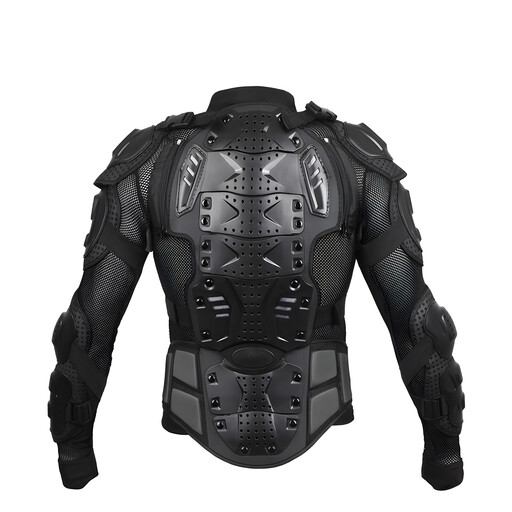
Why it suits this profile: This unisex protective jacket is designed for off-road riding, mountain biking and other activities involving a risk of falling.
According to the product information, the protectors are adjustable and removable. Before use, check the condition of the hard components and whether the required certification for your application is available.
PE protection, EVA foam, adjustable shoulder straps and ventilation openings. The stated size is M and the weight is 1,24 kg.
We have put together a complete, up-to-date list of products that fully meet these strict selection criteria and the applicable European safety regulations.
Use the size guide for the specific model and measure your chest, waist, hips and arm length. For winter and outdoor jackets, allow room for a jumper or fleece. With motorcycle protection, a close fit is important to help prevent the protectors from shifting.
Its lifespan depends on use, material, washing and storage. A jacket worn every day and washed frequently will wear out faster than a spare jacket. Follow the care label, fasten zips before washing and avoid tumble drying if it is not permitted. Check the seams, cuffs, coating and reflective bands regularly.
Maintenance is the main consideration. Hand washing or a delicate wash programme may take more time than machine washing. A jacket that cannot be tumble dried must be air dried. With waterproof and reflective jackets, incorrect washing, heat and harsh products can affect performance or visibility. The care instructions on the product label take precedence.
