
Vandaag of morgen in huis

Kwaliteit gegarandeerd

Welkomstaanbiedingen ontgrendelen: GRATIS bezorging | Tot 80% korting | Gratis 30 dagen JoyPlus-proefperiode
Download de app
Choosing a new jacket or hoodie online may seem quick and easy. However, photos and marketing copy can hide important differences. A women’s jacket, men’s jacket, winter coat or hoodie should not only look good, but also suit the weather, your activity and how you intend to care for the garment.
Pay particular attention to these three common pitfalls:
First, look at the composition of the outer layer, lining and any filling. Polyester is often used for a lightweight, easy-care outer layer. Polyamide can be suitable for clothing where abrasion resistance is important. A padded jacket with polyester filling is designed to provide insulation, while a fleece jacket is mainly intended as a warm mid-layer.
For a raincoat, outdoor jacket or waterproof jacket, look beyond the word “waterproof”:
According to the product description, the PELLIOT 3-in-1 jacket is listed with a hydrostatic head rating of 35.900 mm and breathability of 16.000 g/m²/24 hours. These are product specifications from the listing; always check the label and the latest product information before buying.
For everyday commuting, a parka or padded jacket can be comfortable, as it usually provides more coverage. For walking or travelling, a 3-in-1 jacket is flexible: the outer and inner layers can be worn separately or together. This is useful when the weather changes throughout the day.
A hoodie or sweatshirt is usually suitable for indoors, dry days and as an extra layer. A hoodie made from 70% cotton and 30% polyester, such as various Urban Classics models, can feel comfortable and be relatively easy to care for. A separate outer layer is needed for rain and strong winds.
Measure your chest, waist and, if necessary, hip circumference, then compare these measurements with the size chart for the specific product. Sizes vary by brand and model. When choosing a winter coat, allow room for extra layers. Also check:
For workwear, a safety jacket or high-visibility jacket, visibility requires particular attention. The Dunlop Safety Jacket Reflective is described in the product information as class 3 according to standard 471. Before wearing it at work, check that the markings, size and certification information meet the requirements of your employer and working environment.
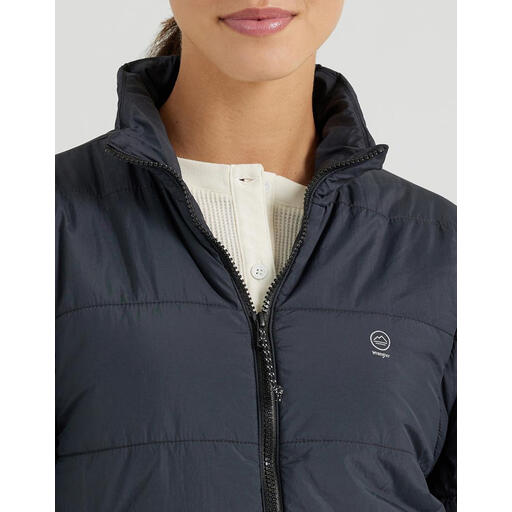
Why it suits this profile: A versatile outdoor jacket for everyday use and light outdoor activities, with a hood and long sleeves.
The description mentions wind protection and protection against light rain, but does not claim full waterproofing. This makes the intended use clearer.
Polyester outer material and lining; hood; suitable for wearing over other layers.

Why it suits this profile: Designed for men looking for a technical jacket for training, running and wet conditions.
The listing mentions seam-sealed DryVent and a DWR finish. According to the product information, this helps protect against rain; check the care instructions to preserve the finish.
100% recycled polyester according to the product description; hood; zipped pockets; regular fit.
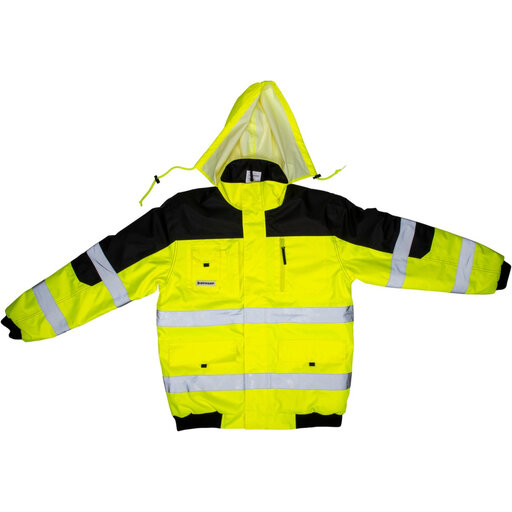
Why it suits this profile: For outdoor work, traffic and situations where visibility and protection against wind and rain are important.
The fluorescent colour and retroreflective bands are clearly specified. However, check that the size and standard are suitable for the specific role.
Polyurethane-coated polyester; mesh lining; wind-resistant and water-repellent according to the listing; size L.
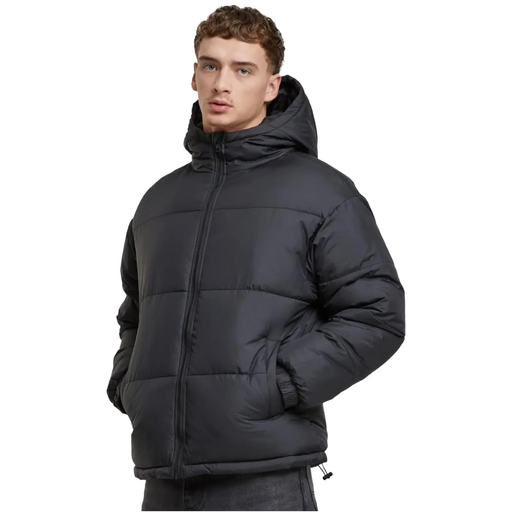
Why it suits this profile: A winter coat for everyday use, with a hood and synthetic filling for cold days.
The product information lists the composition of the outer layer, filling and lining separately. This helps you assess warmth and care requirements more accurately.
100% polyamide outer material; polyester filling; hood; suitable for layering.
We have put together a complete, up-to-date list of products that fully meet these strict selection criteria and the applicable European safety regulations.
Always follow the washing label. Wash technical jackets with a mild detergent and fasten the zips before putting the garment in the machine. Do not use bleach unless permitted. A DWR finish can become less effective through washing and wear; according to the product information for some models, reproofing may be necessary.
Store a jacket somewhere dry and allow wet clothing to air completely before putting it away. A hoodie will stay looking good for longer if you avoid drying it at too high a temperature. Also check zips, seams, cuffs and reflective strips regularly. Small areas of damage can reduce protection or visibility.
A hoodie has a hood, while a sweatshirt usually has a crew neck. Both are generally intended as comfortable layers for casual outfits, sportswear or wearing indoors. An additional jacket is needed for rain or strong winds.
Look for a raincoat or waterproof jacket with clear information about seams, zips, hood and waterproofing. A 3-in-1 jacket can be practical for changeable conditions. A jacket described only as water-repellent is mainly intended for light rain.
Measure your chest circumference and compare it with the size chart for the model you have chosen. If you want to wear a hoodie or fleece jacket underneath, allow extra room for movement. Also check the returns policy and the product measurements before ordering.
