
Vandaag of morgen in huis

Kwaliteit gegarandeerd

Welkomstaanbiedingen ontgrendelen: GRATIS bezorging | Tot 80% korting | Gratis 30 dagen JoyPlus-proefperiode
Download de app
A good jacket is an investment, especially in a country with unpredictable weather. Yet, the search for the perfect jacket is often frustrating. Marketing terms make big promises, but in reality, you end up with a jacket that's soaked after one downpour or loses its warmth after a single winter. Before you make a decision, it's helpful to recognise the most common pitfalls.
Pitfall 1: The "Waterproof" Lie Many jackets are advertised as waterproof but are actually only water-repellent. A durable water-repellent (DWR) coating is a fine first line of defence against light drizzle, but it offers no protection during a serious downpour. After a few washes, its effectiveness often diminishes rapidly, leaving you wet anyway.
Pitfall 2: A Thick Jacket Isn't Always a Warm Jacket A bulky puffer jacket might look warm, but its thickness says little about the quality of its insulation. Inexpensive polyester fillings can compress over a short time (losing their 'loft'), causing the insulating air layer to disappear. You pay for a thick jacket but are left with a thin, cold one.
Pitfall 3: The Wrong Jacket for the Wrong Activity A stylish wool coat is impractical for a bike ride through the countryside, while a technical outdoor jacket can be overkill for a walk in the city. A mismatch between the jacket and your lifestyle leads to discomfort and ensures your purchase remains unused in the closet.
To avoid a bad purchase, it's wise to focus on a few concrete specifications rather than marketing claims.
A truly waterproof jacket has more than just a coating. Look for the following features:
The filling determines the warmth and performance of your jacket in different conditions.
Think carefully about what you will use the jacket for.
Below are some popular choices, matched to different user profiles.
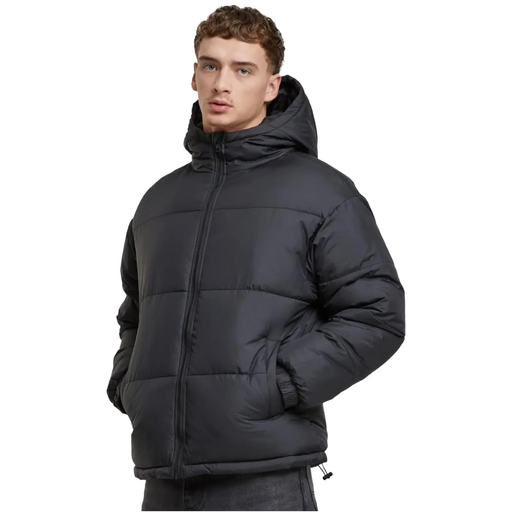
Why This Fits Their Persona: This jacket combines a sleek, minimalist design with the functionality needed for daily city life. Ideal for commuting or a weekend stroll.
This is an honest puffer jacket. It doesn't promise extreme performance but delivers reliable warmth thanks to its polyester filling, which retains its insulation value even in damp weather. No false promises, just a functional winter jacket.
The 100% polyester filling provides consistent warmth. The polyamide outer layer is durable, and the jacket includes a hood for extra protection.

Why This Fits Their Persona: Designed for those who love to train, hike, or run outdoors, regardless of the weather. This The North Face jacket is a reliable partner for adventures in nature.
This jacket tackles the "waterproof lie." According to the manufacturer, it's made with DryVent technology and sealed seams, which should form a barrier against rain and snow. This is a technical specification, not a vague marketing claim.
Made from 100% recycled polyester with a PFC-free DWR finish. Functional design with zip pockets and a hood with an elastic binding.
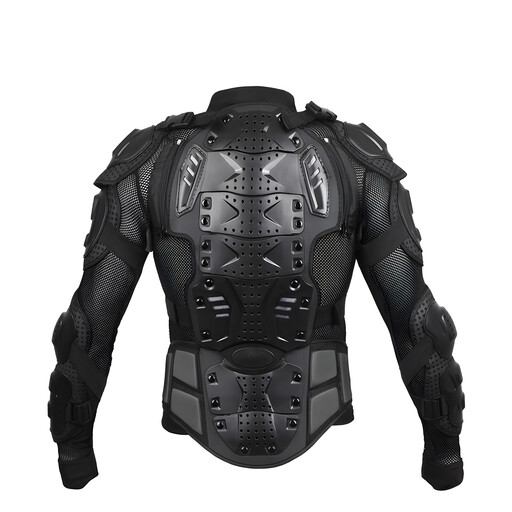
Why This Fits Their Persona: For motorcyclists, mountain bikers, or skateboarders, protection is not an afterthought. This motorcycle jacket is designed with safety as the absolute priority.
This jacket doesn't fall into the "style over safety" trap. Instead of a fashionable appearance, the design focuses on concrete protection: a removable back protector, abrasion-resistant nylon pads, and shock-absorbing cushions. Functionality comes first here.
Multi-layered protection for the shoulders, elbows, chest, and back. The breathable mesh material and ventilation openings ensure comfort during intense activities.
Whether you're looking for specific men's jackets or women's jackets, we've compiled an up-to-date list of products that meet these selection criteria.
Check the product details for terms like "waterproof" instead of "water-repellent." Look for specific technologies (like DryVent) and the mention of sealed or taped seams. A water column rating, expressed in millimetres (mm), indicates the level of waterproofness. A value of 5,000 mm or higher is generally sufficient for most downpours.
A down jacket is filled with duck or goose down, providing an excellent warmth-to-weight ratio. The downside is that down loses its insulating power when it gets wet. A synthetic puffer jacket, usually filled with polyester, retains its warmth better in damp conditions, is easier to wash, and is often more budget-friendly. For damp climates, a synthetic fill is often a very practical choice.
Always follow the instructions on the care label. Use a special detergent for technical apparel and avoid regular washing powder or fabric softener, as these can clog the membrane's breathable pores. Close all zips before washing. To reactivate the water-repellent (DWR) layer, you can briefly tumble dry the jacket on a low heat setting or iron it on a low setting with a towel in between (if the label permits).
