
Vandaag of morgen in huis

Kwaliteit gegarandeerd

Welkomstaanbiedingen ontgrendelen: GRATIS bezorging | Tot 80% korting | Gratis 30 dagen JoyPlus-proefperiode
Download de app
Buying a jacket seems straightforward until you have to choose between a puffer jacket, parka, fleece jacket, waterproof jacket or 3-in-1 model. Marketing copy often highlights terms such as “all-weather” and “extreme protection”, while important details receive less attention. The right choice therefore depends not only on colour or brand, but above all on how you intend to use it, the fit and its technical features.
A padded jacket or puffer jacket can be pleasantly warm, but that does not automatically mean that the outer fabric is waterproof. For cycling, walking or travelling in changeable British weather, you may need a separate waterproof outer layer.
So check whether the product description mentions a water-repellent finish, fully taped seams or a waterproof membrane. “Water-repellent” generally means something different from “waterproof”: the former helps protect against light precipitation, while the latter refers to a higher level of protection according to the stated product specification.
The North Face jackets, men’s models and women’s jackets can have different fits and features. A model suitable for running, for example, may offer less room for a thick jumper. Conversely, a roomy winter jacket may be impractical during intense outdoor activities.
Always check the size chart and compare your chest, waist, hip and arm measurements with a jacket that fits well. Also look for enough room for layers when searching for an outdoor jacket for autumn or winter.
A jacket can lose its properties if it is washed or dried incorrectly. Some models must not be tumble-dried, while other jackets need to be dried at a low temperature to keep the insulation lofted. Read the care instructions before buying and check whether reproofing is recommended.
For cold days, padded jackets, parkas and puffer jackets are practical options. Look at the type of filling and the construction. Polyester filling is generally easy to care for. With down jackets, it is useful to check the fill power, fill weight and information about the down’s origin.
A jacket with a detachable fleece or down layer can be more flexible. A 3-in-1 jacket usually consists of an outer layer and an inner layer that can be worn separately or together. This is useful for travelling and changing temperatures, but check that both layers remain comfortable when combined.
For rainy conditions, fully taped seams, an adjustable hood and sealable cuffs are relevant details. Technical outdoor jackets may also state a hydrostatic head rating. A higher value indicates greater resistance to water pressure within the test method used, but it does not tell you everything about comfort, fit or durability.
According to the product description, the PELLIOT jacket has a hydrostatic head rating of 35.900 mm H₂O and breathability of 16.000 g/m²/24 hours. These are product specifications from the listing; always check the current information and care label when buying.
Windproof jackets with a fleece lining are suitable for walks, commuting and dry, cold days. For prolonged rain, a windproof jacket without a stated waterproof construction may not provide sufficient protection.
Pay attention to the jacket’s length, sleeve finish and the amount of room around the shoulders and chest. An elasticated hem, adjustable cuffs and a drawcord hood help you customise the fit. For sporting activities, zipped pockets, ventilation zips and a not-too-loose cut are practical features.
Women’s and men’s jackets sometimes use different size charts. So do not rely solely on the letter size. Take your measurements and compare them with the chart on the product page.
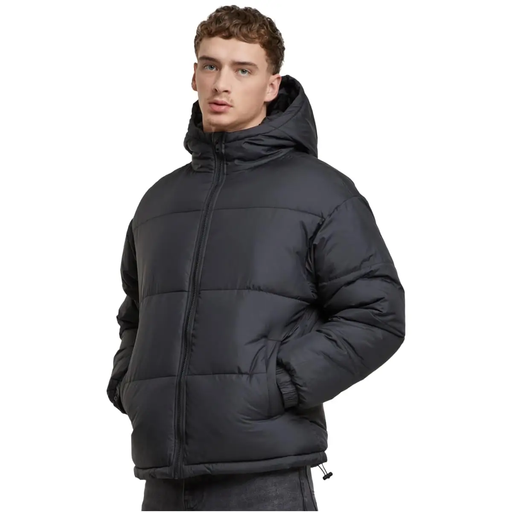
Why it suits this profile: A practical puffer jacket for everyday use in the city and on cold days.
The composition lists the outer fabric, filling and lining separately. This makes it clear that the jacket is designed for warmth and should not automatically be considered a waterproof jacket.
100% polyester filling, hood and care according to the machine-wash instructions; available with a size chart.

Why it suits this profile: A technical women’s jacket for walking and outdoor use in changeable weather.
The product description mentions fully taped seams, an adjustable hood and an adjustable hem. This makes important construction details visible alongside the brand name.
According to the product description: DryVent fabric, waterproof and windproof construction, mesh lining and two zipped pockets.
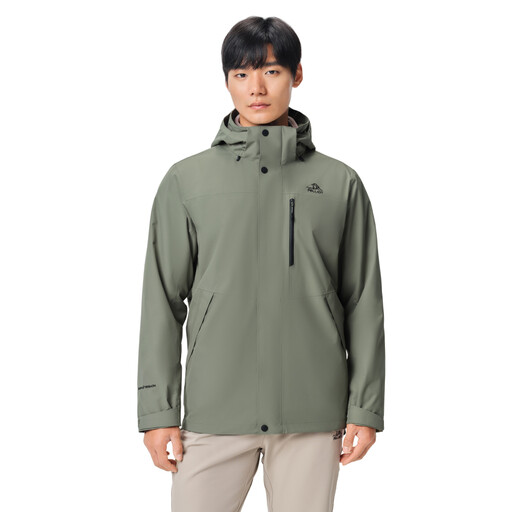
Why it suits this profile: Designed for camping, trekking and commuting where multiple layers and weather protection are desirable.
The jacket uses an outer layer and fleece lining, so warmth and protection do not have to come from a single thin fabric. The size chart also provides separate measurements for the outer and inner jackets.
According to the product description: 3-in-1 construction, adjustable hood and cuffs, stated hydrostatic head rating of 35.900 mm H₂O and resistance of 40,000+ abrasion cycles.

Why it suits this profile: A men’s jacket for anyone who wants to use one system while travelling, walking and facing changeable weather conditions.
The outer layer and inner jacket can be worn separately or together. This means you do not need to choose a completely new jacket for every season.
3-in-1 system, adjustable hood and hem, taped seams, underarm zips and an inner layer with 550 fill power down according to the product description.
We have put together a complete, up-to-date list of products that fully meet these strict selection criteria and the applicable European safety regulations.
Look for a waterproof and windproof outer layer, taped seams, an adjustable hood and sealable cuffs. A puffer jacket without a stated waterproof construction is primarily designed for warmth and may need additional rain protection.
Measure your chest, waist, hips and arm length, then compare these measurements with the size chart for the specific model. Allow room for a jumper or fleece jacket underneath. A jacket that is too tight restricts your freedom of movement and can reduce the insulating effect of your layers.
Its service life depends on how often it is worn, friction, storage and care. A jacket that is washed regularly according to the label and stored dry will generally retain its fit and finish for longer. Check the seams, zips and cuffs regularly for signs of wear.
