
Vandaag of morgen in huis

Kwaliteit gegarandeerd

Welkomstaanbiedingen ontgrendelen: GRATIS bezorging | Tot 80% korting | Gratis 30 dagen JoyPlus-proefperiode
Download de app
A good jacket is an investment, but the search can feel like navigating a maze. You're bombarded with marketing terms, and every jacket promises to be the solution for all weather conditions. The result? Often, an expensive purchase that leaks after a single downpour or a winter coat that isn't warm enough for a cold day. We'll help you recognise the most common pitfalls so you can choose a jacket that truly fits your needs.
Pitfall 1: The "waterproof" promise that doesn't hold up. Many jackets are sold as "waterproof" but are, in reality, only water-repellent. They can handle a light drizzle, but you'll still get soaked in a serious downpour. The difference is in the details: a water-repellent coating wears off, while a truly waterproof membrane with taped seams will keep you dry.
Pitfall 2: Paying for a brand, not for function. A famous logo doesn't automatically mean the jacket is right for your purpose. A fashionable mid-season jacket from a top brand rarely offers the insulation of a functional winter coat, even if the price is similar. Focus on the specifications you need, not just the brand name.
To avoid a bad purchase, it's helpful to pay attention to a few key specifications. These determine whether a jacket will perform as needed in real-world conditions.
A jacket is only truly waterproof if it features a membrane and taped seams. Technologies like DryVent from The North Face are a prime example. These materials prevent water from penetrating the fabric and stitching. A windbreaker without a waterproof membrane will protect you from cold wind, but not from rain. For active pursuits like hiking or cycling, a combination of a waterproof and breathable outdoor jacket is often a great choice.
The warmth of a jacket depends on its insulation material.
fleece jacket is lightweight, breathable, and ideal as a mid-layer or for dry, cool days. It insulates well but offers no protection against wind or rain.winter coat in cold, dry conditions.When you're active, your body produces sweat. A jacket with good breathability wicks this moisture away, so you don't feel clammy and cold. This is especially important for a sports jacket or training jacket. Materials with a breathable membrane allow water vapour to escape from the inside while blocking raindrops from the outside.
Not everyone needs the same jacket. Below are a few examples, matched to specific user profiles.
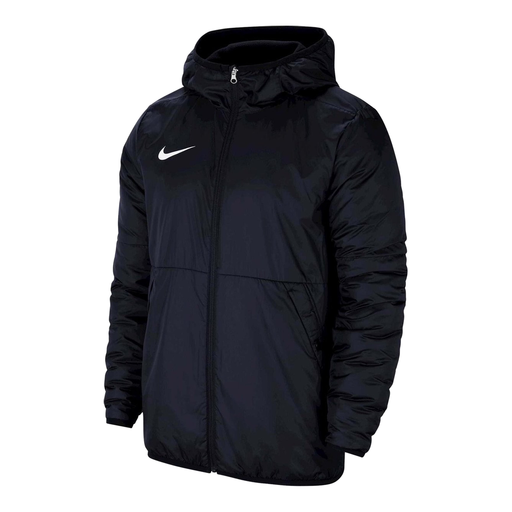
Why This Fits Their Persona: Ideal for those who train outdoors and need a lightweight, warm, and breathable jacket. This Nike training jacket is designed for movement and protects against light rain and wind, without unnecessary bulk.
This jacket is honestly positioned as 'water-repellent', not 'waterproof'. Perfect for training in changeable weather, without the false promise of complete protection from a downpour.
The Nike Therma fabric helps retain body heat. Its water-repellent finish provides protection against light precipitation.

Why This Fits Their Persona: For hikers and nature lovers who need a reliable women's jacket. This The North Face jacket is a shell that provides protection against the elements, season after season.
This jacket tackles the 'false waterproof' pitfall. According to the manufacturer, the jacket is made with DryVent fabric and fully sealed seams, a verifiable specification for waterproofness.
The combination of waterproof, windproof, and breathable fabric ensures comfort and protection in changeable conditions.
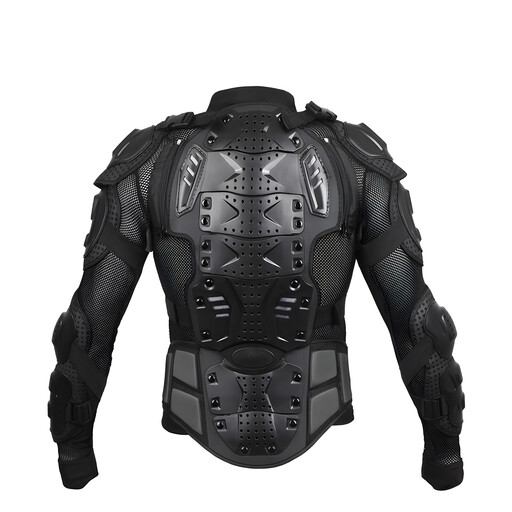
Why This Fits Their Persona: For motorcyclists, protection isn't an option—it's a necessity. This motorcycle jacket is specifically designed with protective elements for key parts of the body.
This product avoids the dangerous mistake of using a regular jacket for motorcycling. It offers specific protection that a standard men's or women's jacket lacks.
Equipped with a durable PE outer shell, shock-absorbing EVA pads, and protection for the back, shoulders, and elbows.
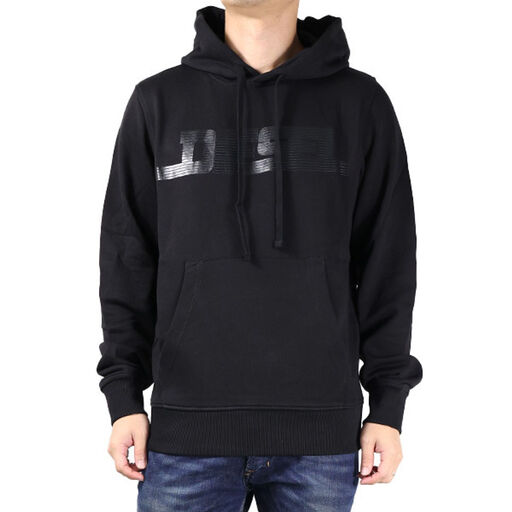
Why This Fits Their Persona: For those seeking comfort and style for daily wear. This hoodie is a versatile and comfortable layer that is easy to style.
This choice avoids the pitfall of overpaying for technical features you don't need in the city. The focus is on material quality (100% cotton) and fit.
Made from 100% cotton for comfort and breathability. The subtle branding and classic black colour make it a timeless choice.
We have compiled a complete, up-to-date list of products that meet these selection criteria and comply with current regulations.
A water-repellent jacket has a coating (Durable Water Repellent or DWR) that causes water droplets to bead up and roll off the surface. This is effective in light rain, but the coating can wear off and won't withstand prolonged or heavy downpours. A waterproof jacket has a built-in membrane (a type of thin layer within the fabric) and taped seams that prevent water from getting in, even under pressure.
Always check the manufacturer's care label. Generally, wash the jacket with a special technical detergent and avoid fabric softener, as it can impair breathability. To reactivate the water-repellent DWR layer, you can tumble dry the jacket on a low heat (if the care label allows) or iron it with a towel in between. If the layer is worn out, you can reapply it with a waterproofing spray.
A 3-in-1 jacket, like The North Face's Triclimate systems, can be very practical. It consists of a waterproof outer shell and a removable insulating inner jacket (often a fleece or a lightly padded jacket). You can wear the layers together on cold, wet days, or separately. The outer shell works as a raincoat in the autumn, and the inner jacket on a cool, dry spring day. This offers great versatility for the changeable seasons.
