
Vandaag of morgen in huis

Kwaliteit gegarandeerd

Welkomstaanbiedingen ontgrendelen: GRATIS bezorging | Tot 80% korting | Gratis 30 dagen JoyPlus-proefperiode
Download de app
Italian snacks are perfect for a sharing platter, film night, lunchtime treat or party. Yet a name like “Italian style” doesn’t automatically mean a snack has been made in Italy. Some products are produced in Italy, while others simply use an Italian-inspired flavour combination. If you compare carefully, you’ll avoid a disappointing purchase and find it easier to choose between Italian crisps, pizza snacks, grissini and sweet treats.
Packaging featuring tomato, basil, pesto or the name of an Italian city sets certain expectations. So always check the country of origin and the producer. For example, Deli Di Paolo Grissini Wave states that the product is made in Italy according to an authentic recipe. Other products in this selection come from Belgium, China or simply have an Italian-inspired flavour.
“Pesto”, “Bolognese” or “tomato” can consist of herbs, flavourings, flavour enhancers and only a small amount of tomato or cheese powder. Want Want Lonely God Italian Tomato Flavor, for instance, lists 1.4% tomato paste. That doesn’t mean the snack has no tomato taste, but it does mean the name isn’t the same as a high tomato content.
A 200g or 250g pack might look appealing for party snacks, but opened crisps and crackers quickly lose their crunch. Pay attention to the number of servings, whether the bag can be resealed properly, and the best-before date. Individual portions or several smaller packs can be more practical when you want to take snacks with you or serve them in controlled amounts.
First, look at the net weight and the product format. A tube of Pringles Italian Style Pesto contains 165g and is designed for sharing. A bag of Sore Pizza Style Sticks contains 45g and is handier for on-the-go or a small snack. For a sharing platter, grissini and Italian crackers are often easier to pair with dips, cheese and vegetables than heavily seasoned crisps.
Always compare nutritional information per 100g, not just per serving. This way you can see the differences between products. According to the product information, Mangiare Scrocchi contains 430 kcal, 12g fat and 3g salt per 100g. Pringles Italian Style Pesto lists 522 kcal, 30g fat and 0.6g salt per 100g. A smaller portion doesn’t automatically mean the same composition.
Check the allergens on the packaging before you buy. Many Italian snacks contain wheat or gluten. Other possible allergens include milk, soya, sesame, egg and lupin. Deli Di Paolo Grissini Wave contains wheat and milk due to the addition of Parmigiano Reggiano. Brets Pesto Mozzarella Chips contains milk. Want Want also states that the product may contain traces of fish, egg, soya, milk, gluten-containing cereals and crustaceans.
Also look out for sweeteners. Want Want lists aspartame and a source of phenylalanine. If this is something you need to be aware of, it’s a good idea to read the label and warnings on the packaging.
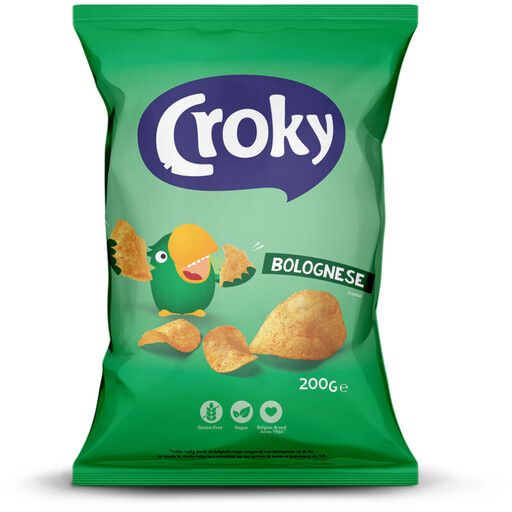
Why this fits the profile: The 200g bag is ideal for a film night or a simple get-together. The Bolognese flavour appeals to fans of savoury Italian crisps.
The net weight and stated serving size make comparisons easier. The ingredients list mentions soya as an allergen, so you can check this beforehand.
200g per bag; 515 kcal and 1.2g salt per 100g according to the product information; labelled gluten-free.
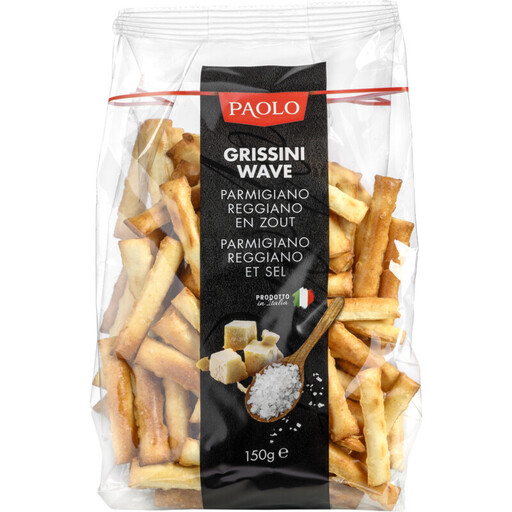
Why this fits the profile: According to the product description, these grissini are made in Italy and contain 7.5% Parmigiano Reggiano PDO. They’re perfect for a well-prepared aperitivo with dips or cheese.
The origin and percentage of Parmigiano are clearly stated. This means you don’t have to rely solely on Italian imagery or flavour names.
150g; extra virgin olive oil; 13g protein and 2.4g salt per 100g according to the label.
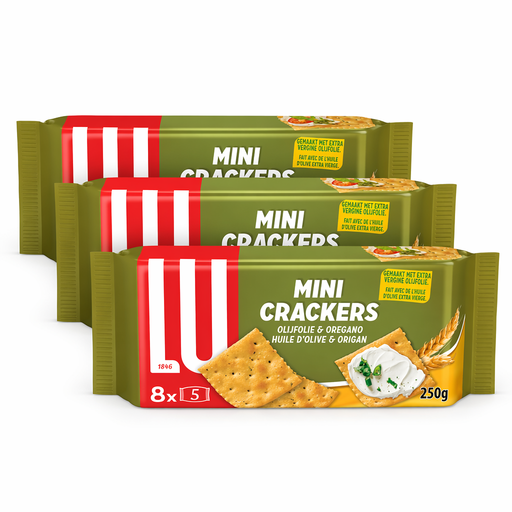
Why this fits the profile: The multipack of three is handy for regular sharing occasions, larger groups or keeping your store cupboard stocked with Italian crackers.
The packaging is split into three units. This means you don’t have to open everything at once, helping to reduce waste and loss of crunchiness.
Three packs of 250g; 6.5% extra virgin olive oil and 0.5% oregano according to the product information.
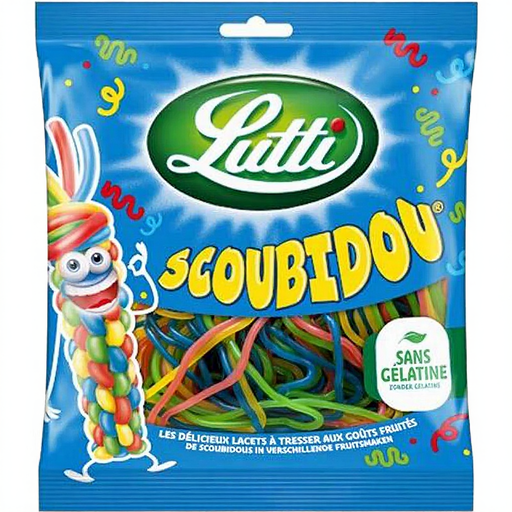
Why this fits the profile: These colourful liquorice laces are ideal when you want to serve a playful sweet option alongside savoury snacks.
The four stated fruit flavours and the net weight are clearly described. The packaging also lists wheat as an allergen.
180g; strawberry, apple, tutti-frutti and raspberry flavours; suitable for vegetarians according to the product information.
We’ve put together a full, up-to-date list of products that fully meet these strict selection criteria and comply with current European safety regulations.
For a classic sharing platter, you can combine different textures:
Bear in mind that “Italian delicacies” is a broad category. A snack with an Italian flavour isn’t always a traditional Italian product. The product description, ingredients list and origin give a more reliable picture.
For a party, products with a larger net weight or multipacks are practical. Think of Croky Bolognese Chips at 200g, Pringles Italian Style Pesto at 165g and the Lu Mini Crackers in a multipack. Combine savoury snacks with grissini and a sweet option to cater for different tastes.
Grissini are thin, crunchy breadsticks. They’re often eaten on their own or served with a dip. Italian crackers are flatter and lend themselves more easily to toppings such as cheese, tapenade or vegetables. With both products, check for the presence of wheat, gluten, milk and sesame.
Store opened snacks in a sealed container in a cool, dry place, away from moisture and heat. Crisps and crackers are best eaten straight after opening or within a short time. Always follow the storage instructions on the packaging and don’t use a product if the packaging is damaged.
