
Vandaag of morgen in huis

Kwaliteit gegarandeerd

Welkomstaanbiedingen ontgrendelen: GRATIS bezorging | Tot 80% korting | Gratis 30 dagen JoyPlus-proefperiode
Download de app
An ISOFIX i-Size child car seat may seem easy to choose at first. Yet many parents make the same purchasing mistakes. A seat that promises to last “from birth to 12 years” won’t necessarily suit every stage. And a swivel function alone says nothing about whether the seat is installed correctly or comfortable on longer journeys.
So, pay particular attention to these three common pitfalls:
The product information below is based on the specifications provided by the brands and retailers. Always check the latest manual, vehicle compatibility and product approval before buying.
For an ECE R129 car seat, your child’s height is the most important factor when choosing a seat. A 40–150 cm seat is designed for use from birth to around 12 years, while a 76–150 cm model may only be suitable from around 15 months.
Rear-facing travel is an important consideration for babies and young children. For the models described, children under 15 months must travel rear-facing. An infant car seat such as the KORY Essential i-Size is rear-facing only and suitable for approximately 40–80 cm.
Also check:
An ISOFIX car seat connects to fixed anchor points in the car. This can make fitting the seat easier and helps prevent it from being left unsecured on the back seat. However, not all ISOFIX seats are installed in the same way.
Check the difference between:
The seat should be stable, and all indicators should confirm that it is secured correctly, as described in the manual. If the seat doesn’t fit your car properly, a simpler model secured with the seat belt may be more practical.
A child car seat is bound to encounter crumbs, spills and muddy clothes. A removable, washable cover is therefore more than just a nice extra. Check whether the cover needs to be hand-washed and whether tumble drying is prohibited.
A 360-degree rotating car seat can make getting your child in and out easier. However, these models are often heavier and larger. Measure the space available on the back seat and check that the swivel function can be used fully in your car.
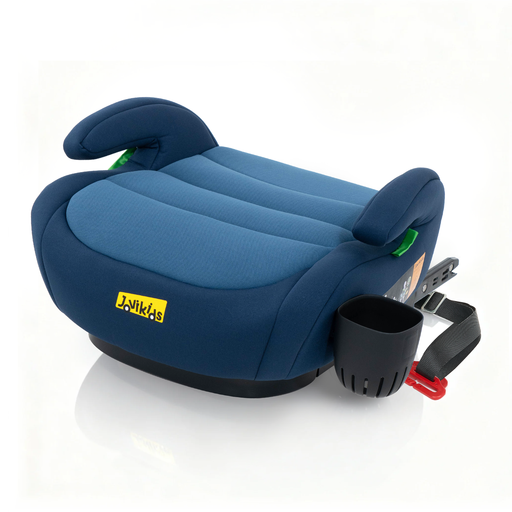
Why it suits this profile: This compact booster seat is designed for children around 125–150 cm tall. It’s a good choice for families looking for a simple solution for the final stage of their child’s growth.
The 125–150 cm height range is clearly stated, so you won’t accidentally use this model as a car seat for a baby or toddler.
ISOFIX fittings, a removable washable cover, a seat cushion and a weight of around 3 kg.
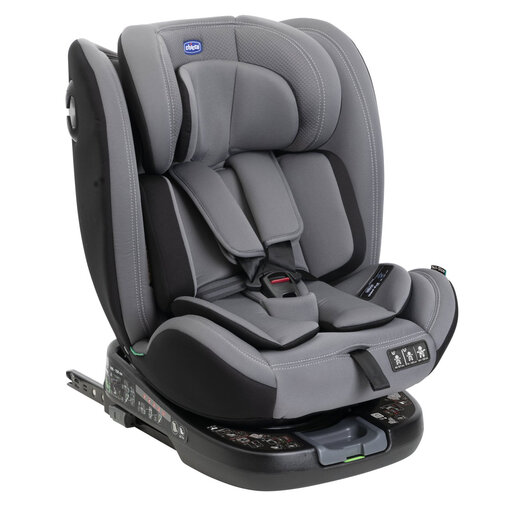
Why it suits this profile: This model is designed for families looking for a single system from birth to around 12 years, with rear-facing use in the early stages in mind.
The 40–150 cm range and different installation stages make it clear when to use ISOFIX, Top Tether, the five-point harness or the car’s seat belt.
360° rotation, five recline positions, an insert for children up to 60 cm and ECE R129/03 approval, according to the product information.
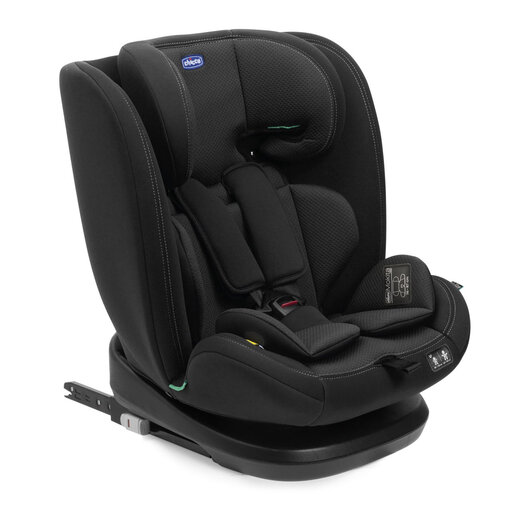
Why it suits this profile: This model is a good fit for families looking for a car seat for frequent everyday journeys from around 15 months, without an infant insert for the early stages.
The product information clearly states 76–150 cm and forward-facing use from 15 months, so the starting stage is clearly defined.
Four adjustable recline positions, ISOFIX and Top Tether up to 105 cm, plus a five-point harness up to 18 kg.
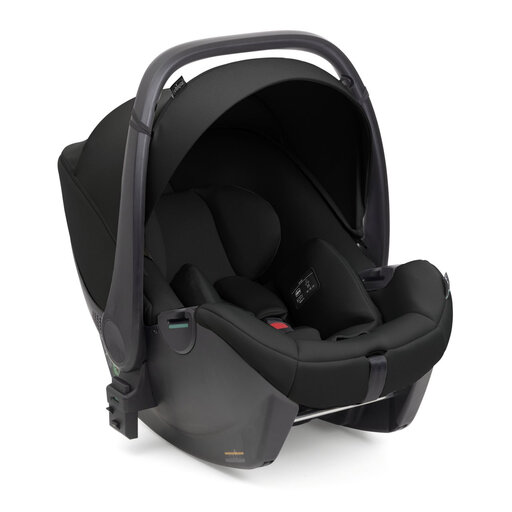
Why it suits this profile: This infant car seat is designed for use from birth to around 15 months and can be fitted using a compatible base or the car’s three-point seat belt.
This model isn’t presented as a car seat for your child’s entire childhood. Its clear 40–80 cm range and rear-facing-only design make its intended use clear.
ECE R129/03, an insert for 40–60 cm, ventilation in the seat shell and compatibility with selected Chicco pushchairs.
We’ve put together a complete, up-to-date list of products that meet these strict selection criteria and the current European safety regulations.
No. Some models can also be fitted using the car’s three-point seat belt. For other seats, ISOFIX, Top Tether or a support leg is part of the required installation. Always follow the manufacturer’s instructions and check what’s compatible with your car.
This varies depending on the model, how it’s used and any guidance from the manufacturer. Check the approved height range and the condition of the harness and cover. Following the product warnings provided, a car seat must be replaced after an accident, even if there’s no visible damage.
A swivel function can make it easier to secure a baby or toddler, particularly in a high-sided car or a tight parking space. Check that there’s enough room for the seat in your vehicle and whether the swivel function only works with a specific base, support leg or installation configuration.
