
Vandaag of morgen in huis

Kwaliteit gegarandeerd

Welkomstaanbiedingen ontgrendelen: GRATIS bezorging | Tot 80% korting | Gratis 30 dagen JoyPlus-proefperiode
Download de app
An ISOFIX i-Size booster seat may seem simple at first: fit it, buckle up and go. Yet parents often buy a model that isn’t right for their car, their child’s height or everyday use. For children aged around 6 to 12, getting the belt position right, choosing the right size and keeping the seat easy to clean are especially important.
This guide explains what to look for and which models suit different needs.
Age ranges such as “6-12 years” are a guide. For i-Size, your child’s height matters more. A booster seat for 125-150 cm won’t automatically fit every child in the same age group well.
So check:
ISOFIX keeps the booster seat in place and can reduce sliding or wobbling. With many models for older children, the car’s 3-point seat belt still secures the child.
So an ISOFIX booster seat isn’t automatically suitable without a car seat belt. Always follow the installation instructions for the specific model. Also check whether your car has ISOFIX anchor points and that they’re easy to reach.
Terms such as “extra thick”, “maximum protection” or “suitable for every car” don’t tell you much without specific details. Look instead for information you can verify:
According to the Jovikids product description, the OHHO+ is designed for children from 125 to 150 cm and has ISOFIX. Always check the official approval label and instructions before use.
An ECE R129 booster seat is classified according to body height. This makes it easier to compare models than looking only at weight or age. A model covering 125 to 150 cm is designed for a specific stage of your child’s growth.
Bear in mind that not every i-Size car seat covers the same height range. Some models start at 100 cm, others at 76 cm or even 40 cm. Product information may still refer to a Group 2/3 car seat, but always check the current R129 specification and the corresponding height range.
With an ISOFIX car booster seat, you attach the connectors to the car’s ISOFIX anchor points. This can be handy if you often fit and remove the seat. After installation, check that the indicators show the connectors are securely attached.
The belt must then follow the route shown. A belt clip or guide can help keep the diagonal belt at shoulder height. Never use the lap belt on its own.
A booster seat should sit securely on the back seat and provide enough room to sit comfortably. For longer journeys, padded armrests and extra seat cushioning can be useful. A washable booster seat is particularly handy for daily school runs, holidays and snacks on the go.
Also consider the weight. A lightweight booster seat is easier to move between cars. A cup holder can be useful, but it mustn’t obstruct the belt route or restrict your child’s movement.
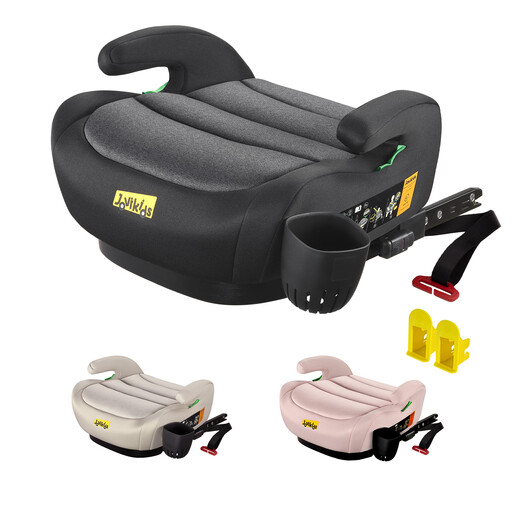
Why it suits this profile: This model combines ISOFIX, a height range of 125-150 cm and a compact design. According to the product information, the booster seat weighs around 3 kg and has a removable cover.
The height range is clearly stated, making it less likely that you’ll choose a seat based on age alone. According to the product description, the included ISOFIX insertion guides are designed to make installation easier.
125-150 cm, ISOFIX, removable and washable cover, around 3 kg and a cup holder.
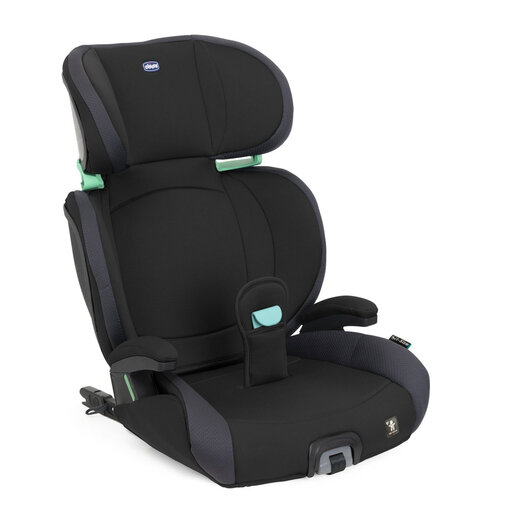
Why it suits this profile: This model with a backrest is designed for children from 100 to 150 cm, so it can be used for longer than a booster seat that’s only suitable from 125 cm.
The belt guide and adjustable headrest help position the seat correctly as your child grows. According to the specifications, it can be used with ISOFIX and a 3-point seat belt, or with the car seat belt alone.
ECE R129/04 for 100-150 cm, adjustable headrest, two recline positions and the choice of ISOFIX plus seat belt or seat belt only.
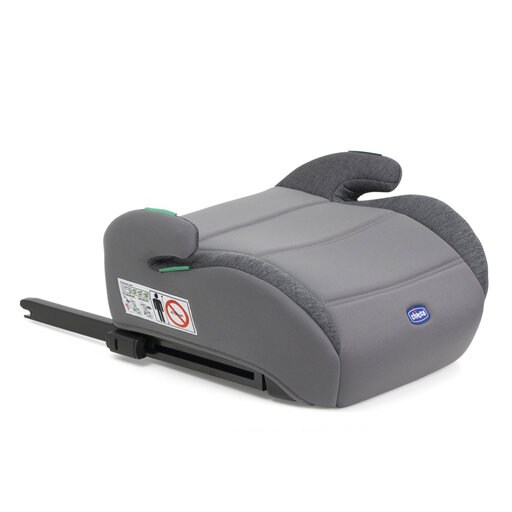
Why it suits this profile: A practical choice for families who want to use a compact booster seat in more than one car, with ISOFIX available as an option.
Installation with a 3-point seat belt is still possible if your car doesn’t have ISOFIX. The product information also lists optional ISOFIX connectors, so you can check compatibility with your car beforehand.
125-150 cm, around 2 kg, belt guide, padded armrests, removable cover and optional ISOFIX for added stability.
We’ve put together a complete, up-to-date list of products that meet these strict selection criteria and current European safety regulations.
No, not every booster seat needs to have ISOFIX. Some i-Size models use only the 3-point seat belt. If you choose an ISOFIX model, check that your car has compatible anchor points. With this type of product, the seat belt is generally still needed to secure your child.
You can use a model in this range until your child is around 150 cm tall, as long as the belt sits correctly across their shoulder and pelvis. Check the fit regularly, especially after a growth spurt. The age guide, such as 6-12 years, is only an indication.
This varies by model. The Jovikids OHHO+ product information states that its cover is removable and washable. Before washing, check the label and instructions for the temperature, drying method and permitted cleaning products. Don’t use extra cushions or thick clothing under the belt, as these can affect the fit.
