
Vandaag of morgen in huis

Kwaliteit gegarandeerd

Welkomstaanbiedingen ontgrendelen: GRATIS bezorging | Tot 80% korting | Gratis 30 dagen JoyPlus-proefperiode
Download de app
An ISOFIX booster seat may seem straightforward at first: choose a model with ISOFIX, place it on the back seat and buckle your child in with the car’s seat belt. But the wrong size, unclear belt routing or a cover that’s difficult to clean can all lead to a purchase you regret.
For children around 125–150 cm tall, these are the three main pitfalls to watch out for:
An i-Size booster seat approved under ECE R129 uses the child’s height as a key factor. For the children this article is about, you’ll generally be looking for a product suitable for 125–150 cm, or approximately 7 to 12 years old.
Check the product page, label and instruction manual for:
A product description may state that a seat complies with ECE R129. Always check the official marking and the manufacturer’s instructions before use. A general label such as “Group 2/3” isn’t enough to determine whether the fit is right.
An ISOFIX booster seat can be more convenient if you often leave the seat in the car. The ISOFIX connectors help secure the booster to the vehicle. Check in advance whether your car has ISOFIX anchor points and whether they’re suitable for the seat you’ve chosen.
Also check that:
A belt clip or belt guide can help position the belt, but it doesn’t replace an adult’s check. Make sure your child sits upright and tighten the belt sufficiently.
A comfortable car booster seat should feel soft, but it also needs to fit on the back seat. If in doubt, measure the available width, particularly if you’ll have several child seats side by side.
Practical points to consider:
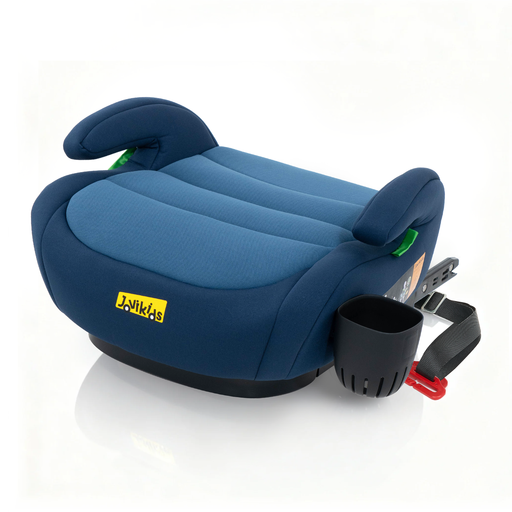
Why it suits this profile: This compact booster is designed for children measuring 125–150 cm and weighs around 3 kg. That makes it a good option for families who sometimes move the seat between cars.
The product information lists ISOFIX connectors, two insertion guides and a belt clip. The cover is removable and washable, so cleaning shouldn’t become an unexpected hassle.
ECE R129 approval, 125–150 cm, around 3 kg, washable cover and a cup holder. Dimensions: 37 × 44 × 23 cm.
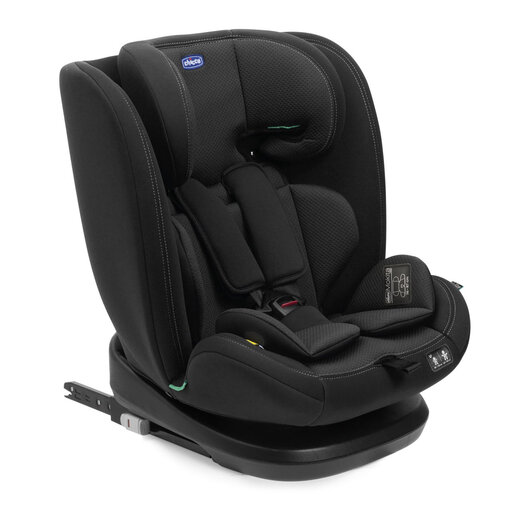
Why it suits this profile: This adjustable car seat grows with your child from 76–150 cm. It’s a good choice for families who want one seat for several growth stages rather than buying a separate booster straight away.
The seat isn’t limited to just one short stage of use. According to the product information, from 100 cm the three-point seat belt can also be used, with ISOFIX as an optional attachment.
ECE R129/04 approval for 76–150 cm, five-point harness up to 105 cm, four positions and installation using ISOFIX plus Top Tether or the car’s seat belt, depending on the specified stage.
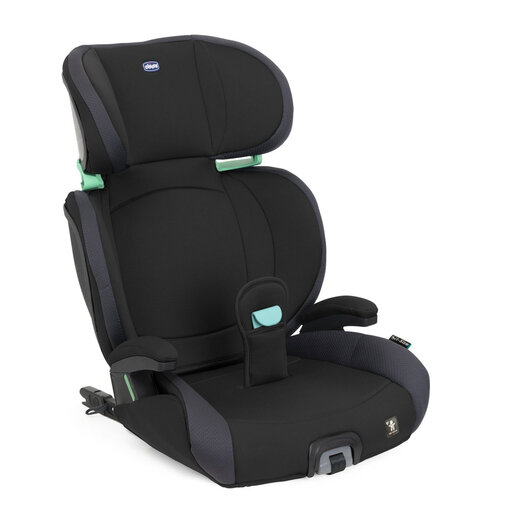
Why it suits this profile: This high-back seat is suitable for children measuring 100–150 cm. It’s a good fit for families who regularly switch between cars or want an adjustable option for longer journeys.
According to the product specifications, the seat can be used with ISOFIX and the three-point seat belt, or with the car’s seat belt alone. This means it doesn’t rely solely on ISOFIX anchor points.
ECE R129/04 approval for 100–150 cm, adjustable headrest, two positions, padded armrests and a belt positioner for the three-point seat belt.
Take a minute to follow this routine once the seat is in place:
We’ve put together a complete, up-to-date list of products that meet these strict selection criteria and current European safety regulations.
No, it depends on the model and its approval. Some i-Size booster seats use ISOFIX as an additional attachment and the three-point seat belt to secure the child. Other models can be used with the car’s seat belt alone. Always follow the instructions for the specific product.
How long you can use it depends on the manufacturer, the approved height range, wear and tear, and any damage. Check the belt guide, cover, armrests and ISOFIX connectors regularly. After a serious accident, replace the child car seat or booster, even if there’s no visible damage.
A thicker or more padded seat may feel more comfortable, but comfort is personal. Above all, check that your child can sit upright and that the belt runs correctly across their shoulder and pelvis. Soft padding shouldn’t interfere with the belt positioning.
