
Vandaag of morgen in huis

Kwaliteit gegarandeerd

Welkomstaanbiedingen ontgrendelen: GRATIS bezorging | Tot 80% korting | Gratis 30 dagen JoyPlus-proefperiode
Download de app
Choosing an i-Size child car seat may seem straightforward, until you have to decide between ISOFIX, a swivel function, a seat that grows with your child or a separate booster seat. Age indications on packaging are not always helpful. Your child’s height, how the seat is secured in your car and correct seat belt positioning are often more important.
Pay attention to marketing claims too. A thick cushion does not automatically mean that a seat fits well. A 360-degree function is particularly useful when getting your child in and out, but says nothing about installation on its own. And a car seat described in the product name as suitable from 0 to 12 years may be less suitable in practice if it does not fit your child’s build properly.
Children of the same age can differ considerably in height and weight. The ECE R129 or i-Size classification therefore mainly uses height groups. Check that the seat is suitable for your child’s current height, rather than just for a general age category.
An ISOFIX car seat connects to anchorage points in the car. This can make installation easier, but always check that your car is compatible and whether additional components are needed, such as a support leg or Top Tether. With some booster seats, ISOFIX keeps the booster in place, while the car seat belt secures the child.
A 360-degree swivel car seat can make fastening your child in easier. However, the swivel function is a convenience feature, not an independent safety assessment. First look at the approval standard, permitted height, installation instructions and seat belt or harness adjustment.
An ECE R129 child car seat is approved according to a European standard in which height classification and protection in side-impact collisions are among the requirements. Check the product label or instruction manual for:
According to the product information for several models in this overview, children under 15 months must travel rear-facing. Always follow the manufacturer’s current instructions.
A 125–150 cm car seat is intended for taller children, often around 7 to 12 years old. Age is only an indication. The diagonal belt should pass over the shoulder through the designated guide, not along the neck. The lap belt should sit low across the pelvis.
A backless child booster seat is compact, but provides less support around the head and sides than a high-back seat. So do not choose based on weight or price alone. Check that your child remains sitting upright calmly and that the belt stays correctly positioned on every journey.
Consider the width of the rear seat, the available legroom and the weight of the seat. A heavy model with a support leg and swivel mechanism is less practical if you regularly move the seat between cars. A washable car seat cover is useful when dealing with spills and everyday use, but follow the washing instructions: washing it incorrectly can affect the fit of the cover.
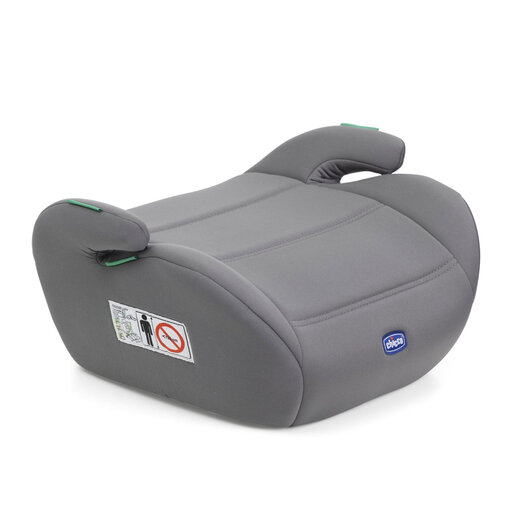
Why it suits this profile: This compact booster is intended for children measuring 125–150 cm and is used with a three-point seat belt. ISOFIX is not required, making it useful for an older car or for use in different vehicles.
The product information specifies a belt guide for the diagonal belt and a removable, washable cover. Check the belt after every installation.
ECE R129/04, 3-point belt, soft armrests and a weight of approximately 1 kg according to the product specifications.
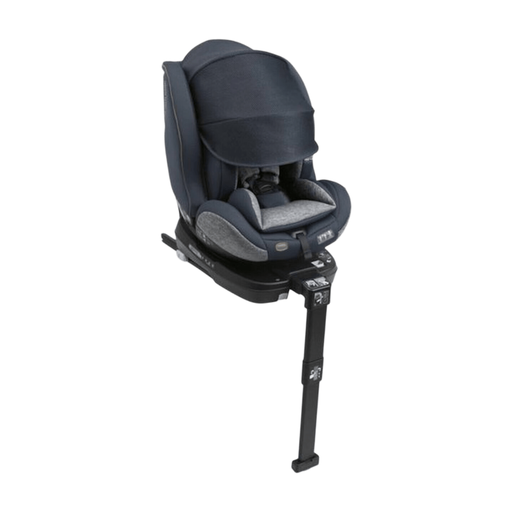
Why it suits this profile: For parents looking for one seat for everyday use from birth to 125 cm, with an emphasis on adjustability and easy access.
The description mentions ISOFIX with a support leg up to 105 cm, six positions and an adjustable headrest. Check that this combination is suitable for your car.
ECE R129/03, 360° rotation, suitable for 40–125 cm and a removable infant insert according to the product information.
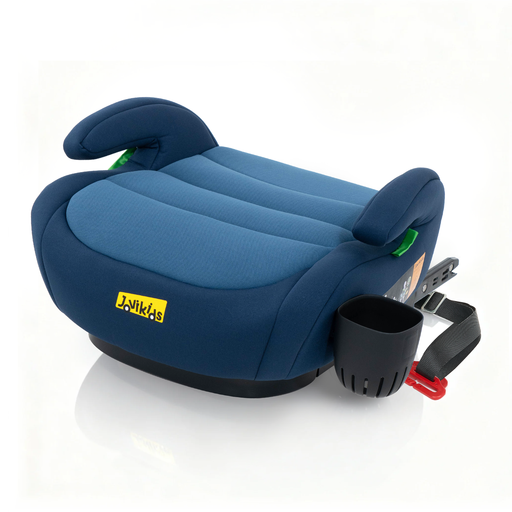
Why it suits this profile: Designed for children measuring 125–150 cm and suitable for families who frequently remove a lightweight booster from the car or take it with them.
The product description mentions ISOFIX, a belt clip and a removable cover. Measure the rear seat and check the ISOFIX connectors in advance.
ECE R129, approximately 3 kg, cup holder and, according to the product specifications, an extra-thick seat cushion with washable cover.
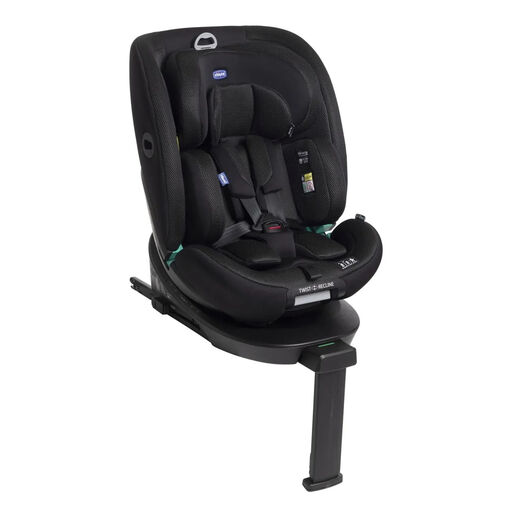
Why it suits this profile: For parents looking for a 40–150 cm model and willing to use a heavier seat with several installation components.
The stated specifications include clear height groups, installation indicators and an adjustable headrest. Use the seat only in accordance with the instruction manual.
ECE R129/03, 360° rotation, ISOFIX with support leg, five-point harness and three recline positions according to the product information.
We have compiled a complete, up-to-date list of products that fully meet these strict selection criteria and the applicable European safety regulations.
Use this quick checklist:
Replace a car seat after a serious accident, even if there is no visible damage. Do not use additional cushions that have not been approved for the model.
No, it depends on the model. Some seats use ISOFIX in combination with a support leg or Top Tether. Other models are secured with the three-point seat belt. Check both the instruction manual and compatibility with your car.
Focus mainly on height and belt positioning. Many i-Size booster seats are intended for 125–150 cm. The belt must run correctly over the shoulder, chest and pelvis. Your child must also remain sitting upright throughout the journey.
The service life varies by manufacturer and model. Check the recommended lifespan, the condition of the harness, anchorage points and cover. The seat must be replaced after a serious accident. Age alone therefore does not determine whether a car seat is still suitable.
