
Vandaag of morgen in huis

Kwaliteit gegarandeerd

Welkomstaanbiedingen ontgrendelen: GRATIS bezorging | Tot 80% korting | Gratis 30 dagen JoyPlus-proefperiode
Download de app
Choosing an i-Size car seat may seem straightforward, until you need to work out which height range, fitting method and seating position are right for both your child and your car. Marketing copy often highlights 360-degree rotation, extra-thick padding or use “from birth to 12 years”. These features can be useful, but they do not automatically mean that a seat is suitable for your situation.
Pay particular attention to these three common pitfalls:
The ECE R129 standard, also known as i-Size, classifies car seats by body height. So first check your child’s current height, rather than looking only at their age.
A car seat from birth will usually start at 40 cm. For a baby, a rear-facing car seat is the usual choice. Under i-Size regulations, a child must travel rear-facing until at least 15 months old. After that, check the instructions to see when forward-facing use is permitted.
For older children, models covering 100 to 150 cm are suitable. These are often a child car seat with a backrest or an i-Size booster seat. A booster seat is only suitable when the model’s height range and belt positioning match your child.
An ISOFIX car seat can be practical because its attachment points connect directly to the car. Before buying, check:
A seat with a 5-point harness is often used during the toddler stage. With some car seats that grow with your child, the fitting method later changes to the car’s three-point seat belt. This means you must carefully adjust the belt routing again as your child grows.
An adjustable headrest helps you adapt the seat to your child’s height. Also look at the number of positions, the adjustable backrest and the amount of space available for the legs and shoulders.
A washable cover is practical for everyday use. Check whether the cover can be completely removed and whether it is machine washable according to the care label. Also consider the width of the seat. A 360-degree rotating car seat often takes up more space than a simple booster seat.
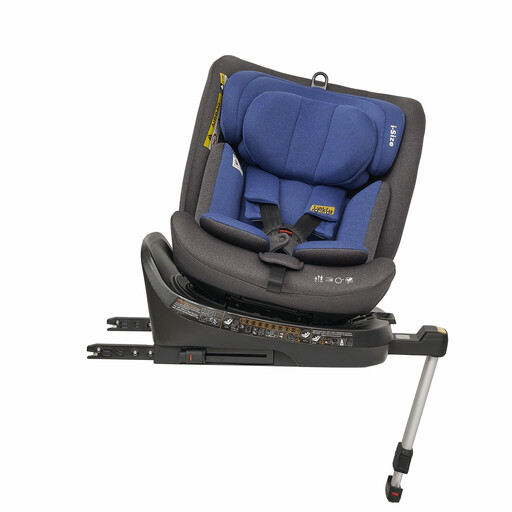
Why it suits this profile: According to the product information, this car seat that grows with your child is designed for children from 40 to 150 cm. This makes it appealing to families looking for one seat to cover several stages of growth.
The height range is clearly stated. However, check the correct direction of travel, inserts and harness settings for each stage in the instructions.
Stated ECE R129 certification, ISOFIX, 360-degree rotation, twelve headrest positions and a removable cover.
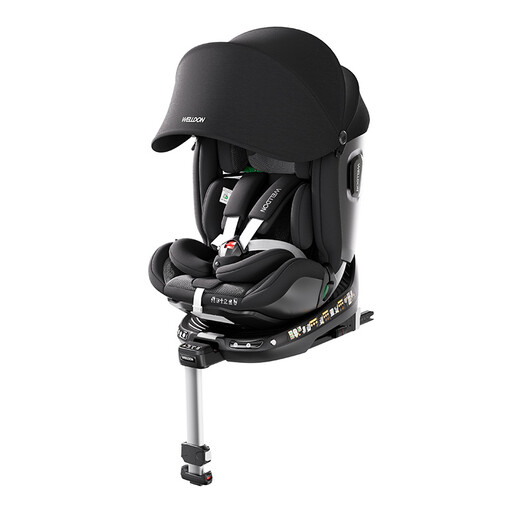
Why it suits this profile: According to the product information, this model is designed for children from 40 to 125 cm and combines ISOFIX with an adjustable support leg and several recline positions.
Installation is not based solely on the rotating function: ISOFIX, the support leg and installation indicators are listed separately. Check compatibility with your car.
Stated ECE R129 certification, 360-degree rotation, several adjustable recline positions and a washable cover.
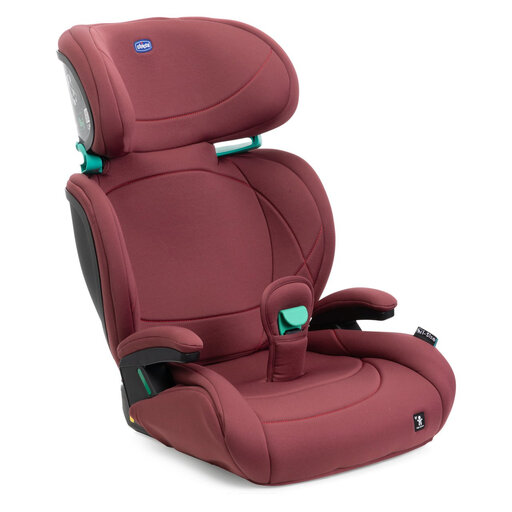
Why it suits this profile: With a stated weight of 4.5 kg, this seat is aimed at families who regularly move a child car seat between cars.
The 100 to 150 cm height range helps prevent you from buying a baby or toddler car seat for an older child. Installation uses the three-point seat belt and marked belt guides.
Stated ECE R129/04 approval, weight of 4.5 kg, adjustable headrest, two recline positions and a washable cover.
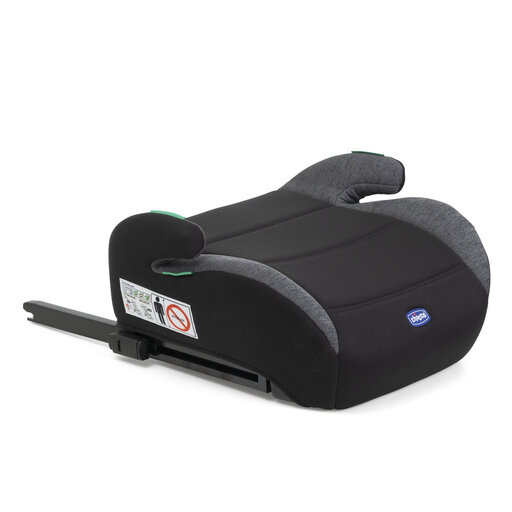
Why it suits this profile: According to the product information, this booster seat is designed for children from 125 to 150 cm. It is suitable for children who no longer need a car seat with a 5-point harness but still need good belt positioning.
The model has a clearly limited height range and a belt guide. Always use the three-point seat belt; ISOFIX is optional with this version.
Stated ECE R129/04 homologation, optional ISOFIX connectors, soft armrests and a removable, washable cover.
We’ve put together a complete, up-to-date list of products that fully meet these strict selection criteria and the applicable European safety regulations.
Check the following before placing your order:
Children shorter than 1.35 metres must be transported in a suitable child restraint system in the Netherlands. An i-Size car seat is one option approved under ECE R129. Always choose a model that suits your child’s height and follow the instructions for use.
This depends on the stated height range, how frequently it is used and the service life specified by the manufacturer. A model covering 40 to 150 cm may cover several stages, but regularly check the cover, harnesses, buckles and attachment points. After a serious accident, the seat must be replaced.
ISOFIX can make installation easier and more straightforward to check, but only when the car and seat are compatible and the installation indicators are showing correctly. A seat fitted with the three-point seat belt can also be suitable when installed according to the instructions. The correct height range, direction of travel and installation matter more than the mere presence of ISOFIX.
