
Vandaag of morgen in huis

Kwaliteit gegarandeerd

Welkomstaanbiedingen ontgrendelen: GRATIS bezorging | Tot 80% korting | Gratis 30 dagen JoyPlus-proefperiode
Download de app
Choosing an i-Size car seat may seem straightforward, until you have to compare ISOFIX, a swivel function, different height ranges and seats designed to last from birth to around 12 years. Marketing copy often highlights extra padding, clever features or a long usable life. However, not every additional feature determines whether a seat is right for your child, car and daily routine.
Pay particular attention to these three common pitfalls:
An ECE R129 car seat is approved under European regulations in which the child’s height plays an important role. The seat is approved for a specific height range, such as 40-150 cm or 100-150 cm.
When comparing an i-Size car seat, check the following points:
Approval under a particular standard does not mean that every seat will fit every car. Check the vehicle list, instructions and available attachment points before ordering.
A car seat with ISOFIX clips directly onto the attachment points between the car’s seat cushion and backrest. This can make installation more straightforward, but the seat still needs to be locked correctly. Some models also require a Top Tether or support leg.
From a certain height, many child car seats use the car’s three-point seat belt. The belt must pass through the designated guides and lie flat across the shoulder, chest and hips. A high-back booster seat provides better belt positioning and side support than a backless booster.
A car seat with a 5-point harness is particularly relevant for younger children. With the Chicco Mokita i-Size, the stated use of the five-point system is up to 18 kg and a maximum height of 105 cm; after that, the three-point seat belt is used according to the product information. An adjustable headrest and simultaneous harness adjustment help the seat adapt as your child grows.
A 360-degree swivel car seat can make getting your child in and out easier, particularly in a high parking space, when securing a baby who needs frequent attention or in a car with a narrow door opening. Do check whether swivelling is permitted in every position and whether the seat is fully locked while travelling.
A car seat with an adjustable headrest can remain useful for longer when the height adjustment clearly grows with your child. Check whether the harness, backrest or width can be adjusted as well. Multiple recline positions can be comfortable on longer journeys, but they do not change the need for correct installation.
A car seat with a washable cover is practical when dealing with spilled drinks, food or muddy clothing. Check how the cover should be removed and whether it can be washed by hand or in the washing machine. Do not use harsh cleaning products if the manufacturer advises against them.
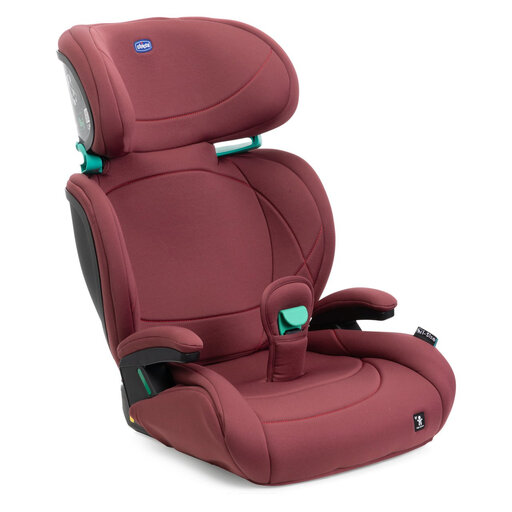
Why it suits this profile: A lightweight choice for families who want to move a child car seat between several cars. The seat is specified for 100-150 cm, approximately 3 to 12 years.
The height range and installation using the three-point seat belt are clearly stated. This means you will not accidentally buy this model for a baby or toddler who is still under 100 cm tall.
4.5 kg, adjustable headrest, two recline positions and removable, washable cover.
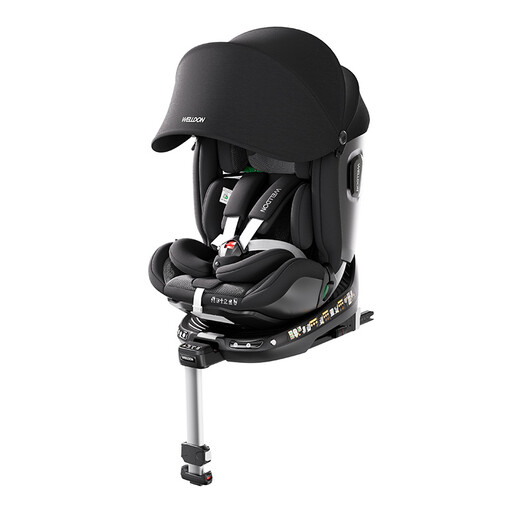
Why it suits this profile: Designed for parents looking for one system for a baby and child car seat, from 40 to 125 cm, with plenty of adjustment options.
The stated i-Size certification, ISOFIX connection and support leg provide clear points to check. According to the product information, an installation warning system is included, but always follow the instructions as well.
360-degree swivel, suitable for rear-facing and forward-facing use according to the product description, adjustable recline positions and washable cover.
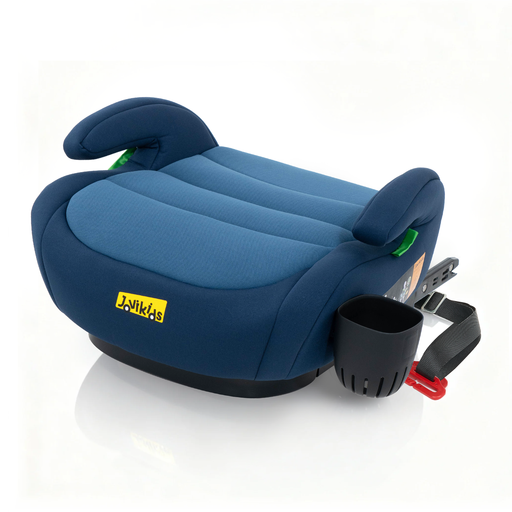
Why it suits this profile: Convenient for older children from 125-150 cm and for families who regularly carry a lightweight seat or move it between cars.
The seat is not intended for young children: the stated range starts at 125 cm. This prevents a compact booster from being used too early.
Approximately 3 kg, ISOFIX adapter, belt guide, cup holder and removable, washable cover.
A 3–12-year car seat is usually a high-back booster for children from approximately 100 cm. A backless booster, such as the Quasar i-Size, is intended for 125-150 cm according to the product details. So do not look only at the “group 2/3” label; focus primarily on your child’s height and the position of the belt.
We have put together a complete, up-to-date list of products that fully meet these strict selection criteria and the applicable European safety regulations.
No, it varies by model and height phase. Some seats use ISOFIX together with a Top Tether or support leg. Other models from 100 cm may be installed using the three-point seat belt, sometimes with ISOFIX for additional stability. Always follow the manufacturer’s instructions.
This depends on the approved height range, the construction and the conditions of use and storage. A 40-150 cm model can cover several growth stages, while a 3–12-year car seat is only suitable from approximately 100 cm. Also check the usable life in the instructions and replace the seat after an accident if required.
That depends on how you use it every day. The swivel function can make securing and lifting out your child easier, but it often adds weight, takes up more space and costs more. First compare the installation, height range and fit with your car.
