
The careful tie owner
You want to remove creases without losing the shape of your cotton tie. The Tie Bar recommends following the care label first and avoiding direct ironing pressure on its ties.


For a couple of cotton ties, a steam generator usually isn’t the first choice. The Tie Bar recommends hanging its ties up to deal with light creases and steaming them to tackle deep creases, rather than ironing. A generator may be suitable if you also regularly iron larger loads of cotton, but its base unit takes up space, and extra steam doesn’t automatically make pressing a tie directly safe. Follow the tie’s care label, and check the specifications for the exact appliance, including the CE marking and whether it is suitable for 230 V and 50 Hz.
You want to remove creases without losing the shape of your cotton tie. The Tie Bar recommends following the care label first and avoiding direct ironing pressure on its ties.
As well as ties, you regularly iron larger loads of cotton. Consumentenbond says a steam generator is particularly suitable for lots of ironing and stubborn creases.
You want to be able to iron in the utility room and put the appliance away afterwards. Consumentenbond points out that the separate base unit takes up space, and an ordinary ironing board may be too small or too lightweight.
Several factors may affect your choice; each row highlights the main consideration.
| What to consider | What should you look for? | Who should pay particular attention? |
|---|---|---|
| Keeping the tie’s shape | Check the care label for the whole tie, including the lining. Only choose a steaming method if the instructions allow it. | If you mainly want to remove creases from a tie without applying direct pressure, the care label is especially important. Around 36% of consumers say keeping the shape is their main concern when buying. |
| Ironing larger loads of cotton | Compare the water tank capacity and stated continuous steam output for the exact model; these figures are not measured results for ironing ties. | If you regularly iron larger loads of cotton as well as ties, having to refill less often may be important. Around 29% of consumers prioritise handling larger cotton loads with ease. |
| Space for use and storage | Compare the dimensions of the base unit with the space available, and check that your ironing board is stable enough. | If you work in a small utility room or have limited storage, you’ll want to know whether the base unit and board will both fit. Around 21% of consumers say their workspace is their main concern when buying. |
| Limescale and maintenance | Check what descaling features the model has and follow its maintenance instructions. | If you use the appliance regularly, clear maintenance instructions may influence your choice. Around 14% of consumers say ease of maintenance is their main consideration. |
The advice not to iron a tie directly is separate from a steam generator’s stated performance. The Tie Bar recommends steaming its ties to tackle deep creases, rather than ironing them.
First, check the care label for the whole tie. Consider extra steam capacity mainly for other items, and only steam a tie if the instructions allow it.
A generator also has a separate base unit. According to Consumentenbond, this may be too large or too heavy for an ordinary ironing board.
Measure the space available for ironing and storage, and check that the board can support the appliance securely.
You may need a larger or sturdier ironing board.
Tefal calls the SV8026 Express Airglide, while the Joybuy product title lists the SV8026 Express Power. The different range name means you should check the exact model.
Before buying, compare the full model number and product specifications with the manufacturer’s information.
The SV8026 Express Airglide is one model to consider if you iron cotton as well as ties.
The PerfectCare 6000 PSG6064/80 is a model worth comparing if storage space and not having to set the temperature manually are important to you.
The CareStyle 3 IS3255BL is a model worth comparing if you also iron other fabrics.
This selection includes steam generators for larger cotton loads and handheld garment steamers for gentle steaming when the tie’s care label allows it.
 No image available
A steam generator to consider for larger cotton loads; only use the vertical steam function on a tie if its care label allows steaming.
2400 W; steam boost 350 g; water tank 1.4 L; vertical ironing.
Before use, check the safety marking and whether this exact model is suitable for 230 V and 50 Hz.
 No image available
A steam generator to consider for cotton loads; only steam a tie if its care label allows it.
Before use, check the safety marking and whether this exact model is suitable for 230 V and 50 Hz.
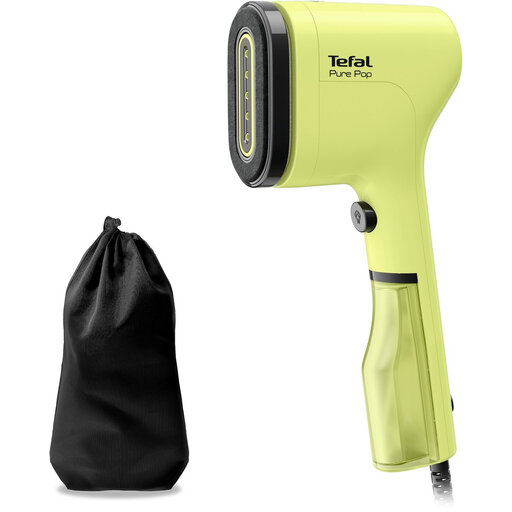 No image available
A handheld garment steamer to consider for gentle steaming if the tie’s care instructions allow it; it is not a steam generator.
Heat-up time: 30 seconds; includes a fabric brush attachment.
Before use, check the safety marking and whether this exact model is suitable for 230 V and 50 Hz.
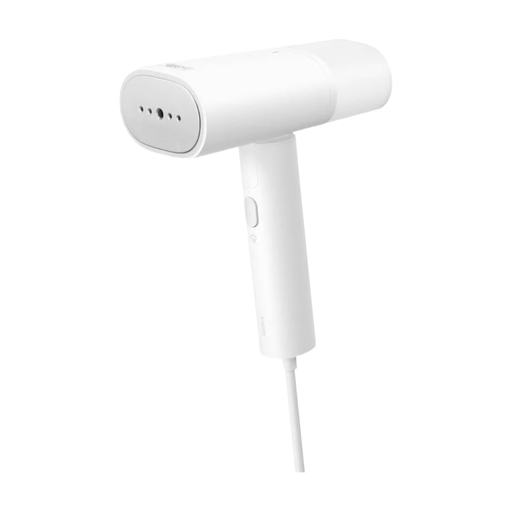 No image available
A handheld garment steamer to consider if you want to steam without an ironing board; follow the instructions for delicate fabrics and only steam a tie if its care label allows it.
Water tank: 160 ml.
Before use, check the safety marking and whether this exact model is suitable for 230 V and 50 Hz.
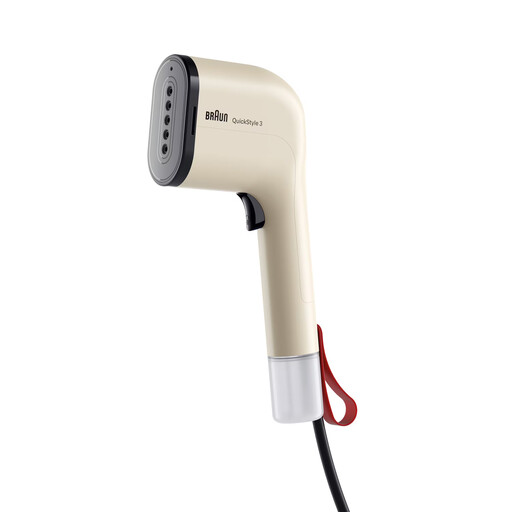 No image available
A handheld garment steamer to consider for freshening clothes without an ironing board; only use it on a tie if its care instructions allow steaming.
Before use, check the safety marking and whether this exact model is suitable for 230 V and 50 Hz.
Don’t do so without first checking the tie’s care label. The Tie Bar recommends hanging its ties up to deal with light creases and steaming them to tackle deep creases, rather than ironing; the lining matters too.
Place the separate base unit on a stable surface, and check that your ironing board can support its size and weight. Consumentenbond warns that a generator may be too large or too heavy for an ordinary ironing board.
Follow the instructions for the exact model. For the maintenance procedure described, Tefal recommends unplugging the appliance first and allowing the parts to cool; Tefal advises against using descaling products or vinegar on its steam generators. Don’t automatically apply this advice to other brands.
For the exact model, check the applicable safety marking and whether the appliance is suitable for 230 V and 50 Hz. The NVWA describes the safety requirements for electrical equipment within the applicable voltage limits; Netbeheer Nederland states that the Dutch mains supply is 230 volts and 50 hertz.
No. According to the Dutch government, there is no fixed legal guarantee period in the Netherlands; what matters is what you can reasonably expect from the product. If a product is faulty, the retailer is your point of contact.