
Ironing cotton shorts
You want to smooth out seams, pockets and creases. Before you start, check the shorts’ care label, as the Consumentenbond advises.


If you only have a few pairs of cotton shorts to iron and limited storage space, a standard steam iron is the obvious choice: according to the Consumentenbond, it suits smaller ironing loads and takes up less room than a steam generator. A handheld steamer is worth considering if you don’t want to use an ironing board, but Philips says that a steamer won’t give the same results as an iron, particularly on thick cotton. Always follow the care label. A steam generator is more worth considering if you also regularly iron larger loads of laundry.
You want to smooth out seams, pockets and creases. Before you start, check the shorts’ care label, as the Consumentenbond advises.
You iron small loads and would rather not have a separate water tank to store. The Consumentenbond considers a steam iron a suitable option if you have little ironing to do or limited storage space.
You regularly iron more than just shorts and may want to refill the tank less often. According to the Consumentenbond, a steam generator can suit larger loads of ironing, but its separate tank takes up extra space.
Choose this if: you iron a few pairs of shorts at a time and want to guide the soleplate precisely around seams and pockets.
Bear in mind: the Consumentenbond describes this as a compact option, but you’ll need to refill a steam iron more often than a steam generator.
Choose this if: avoiding the ironing board matters more to you than sharp creases or firmly pressed folds.
Bear in mind: Philips says that a clothes steamer won’t give the same results as an iron, particularly on thick cotton.
Choose this if: you often iron larger loads of laundry with stubborn creases as well as shorts.
Bear in mind: its separate, larger water tank takes up more storage space than a standard steam iron.
| Concern | What to look for when buying | Who should consider this? |
|---|---|---|
| Smoothing creases in cotton and around seams | Look at the soleplate and tip, temperature control and steam settings. | If you want crisp seams and pockets on cotton shorts, pay particular attention to precision ironing. Around 36% of consumers prioritise a smooth finish on cotton. |
| Making the most of your ironing and storage space | Check the appliance’s dimensions and water tank, and whether you can clear a heat-resistant space for ironing. | In a small home, you’ll want an appliance that suits short ironing sessions and is easy to store. Around 29% of consumers give saving space top priority. |
| Ironing shorts without damaging the fabric | Read the care label on the specific pair of shorts and check whether the temperature and steam can be adjusted. | If your shorts have different materials or finishes, you’ll want to match the heat to the garment’s care label. Around 21% of consumers prioritise avoiding fabric damage. |
| Maintenance over time | Find the manual for the exact model and check how its anti-scale or self-cleaning function works. | If you use the appliance regularly, you’ll want to know how to maintain it according to the model’s instructions. Around 14% of consumers consider easy maintenance the most important factor. |
Philips says that a clothes steamer won’t give the same results as an iron, particularly on thick cotton. This matters if you want sharp creases or smooth seams.
Choose based on the finish you need: a quick freshen-up or proper pressing.
A larger tank can be useful for bigger loads of laundry, but a steam generator also needs more storage space. For just a few pairs of shorts, a more compact appliance may suit your needs better.
First compare how often you iron, how much space you have and what size tank suits your ironing sessions.
The Consumentenbond advises following the care instructions; a temperature that’s too high can damage the fabric or make it shiny.
Check the label on each pair of shorts before setting the temperature.
The Philips 3000 Series DST3031/20 is a model to compare for smaller ironing loads.
The Tefal Ultragliss Anti-Calc Plus FV6840E0 is worth considering if steam settings and limescale maintenance are important to you.
The black Braun TexStyle 3 SI 3055 is a model to compare if precision around seams and automatic shut-off are important to you.
This Joybuy selection features steam irons for shorts. Compare factors such as the controls, water tank and the space you have to store the appliance.
 Image unavailable
The described ironing function makes this an option to compare for smoothing shorts.
The product description lists a heated ceramic soleplate, 20 g/min steam, a compact design and a cord rewind system.
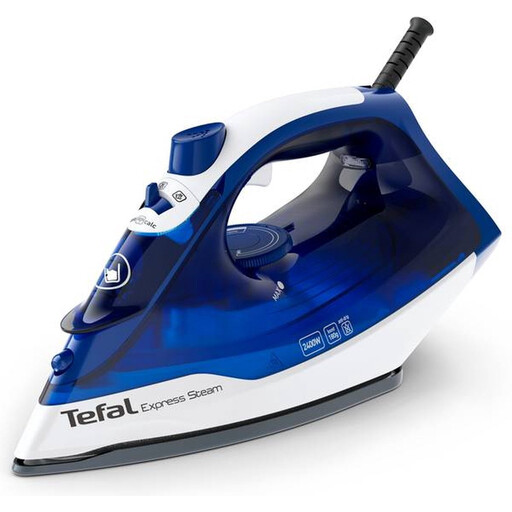 Image unavailable
The steam boost function may be worth considering if you want to tackle creases in cotton shorts.
The product information lists 2400 W, automatic temperature selection, a ceramic soleplate and a steam boost of up to 180 g/min. Don’t leave the appliance plugged in and unattended.
 Image unavailable
This model is worth comparing if you want manual control when ironing shorts.
The product description lists dry and steam ironing, manual temperature and steam controls, and a removable 0,15 L water tank.
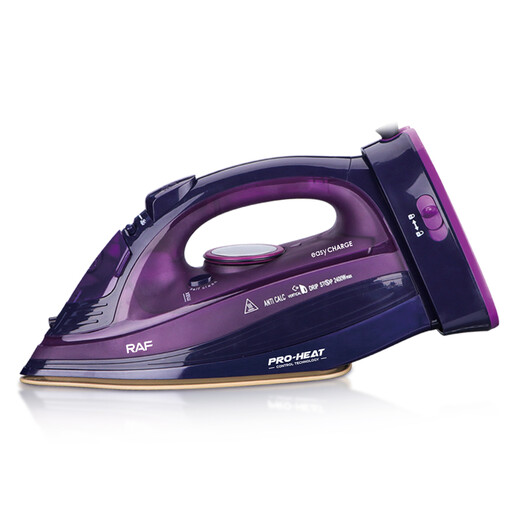 Image unavailable
The precision tip is a model specification to consider if you want to iron around seams and pockets.
The product name lists 2400 W, a 320 ml water tank and a steam output of 15–25 g/min. The description also mentions a ceramic soleplate, a steam boost function and a charging base.
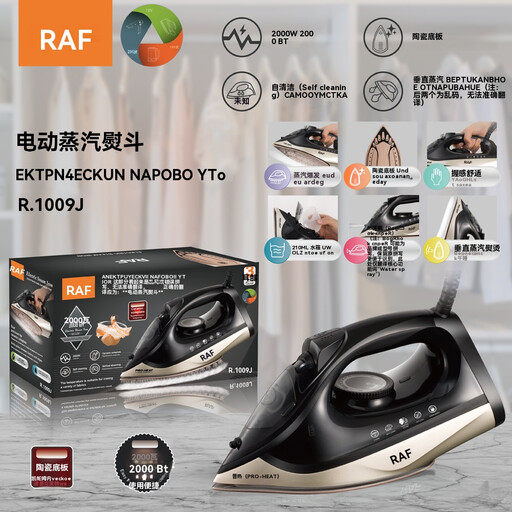 Image unavailable
A ceramic soleplate and steam boost function are the listed features to compare for cotton shorts.
The product name lists 2000 W and a 210 ml water tank. The product description also mentions self-cleaning and vertical steaming.
Not necessarily: the care instructions for that particular pair of shorts determine the right temperature. The Consumentenbond lists maximum temperatures of 110 °C, 150 °C and 200 °C for ironing symbols. Check the label before you start.
Let the iron heat up before using steam. According to the Consumentenbond, it may otherwise leak. If needed, switch the steam off after steaming so you can iron the fabric dry.
Follow the manual for the exact model. Philips recommends descaling its steam irons every 1 to 2 months and says that harder water can lead to limescale building up more quickly. This is the manufacturer’s advice, not a general legal requirement.
ACM ConsuWijzer explains that online purchases usually come with a statutory cooling-off period of up to 14 days after delivery, although there are exceptions. If a product doesn’t do what you could reasonably expect under normal use, you also have statutory rights against the seller; these aren’t automatically limited to two years.
Electrical equipment covered by the EU Low Voltage Directive must meet the applicable safety requirements and carry the CE marking before being placed on the EU market, as explained by the Publications Office of the European Union. A statement on a shop page doesn’t, by itself, prove that an individual item meets the requirements.