What should you look for in an iron for pillowcases?
Steam iron
Best for: a few pillowcases, a short ironing session or limited storage space.
Consider: the built-in water tank is smaller, so you may need to refill it sooner when tackling a large pile.
Steam generator iron
Best for: ironing lots of pillowcases or other laundry in one go, especially when creases are stubborn.
Consider: the separate tank takes up more space. The Consumers' Association also notes that these irons take longer to heat up and generally cost more to buy.
First choose the type of appliance to suit the amount of ironing you do. Then compare the settings, water tank and maintenance requirements.
| What to consider |
What should you look for? |
Who is this important for? |
| Size and ease of handling |
Compare the iron’s dimensions, heat-up time and weight with your storage space and ironing board. |
If I only iron a few pillowcases when the seasons change, I don’t want to store a large system. Around 36% of consumers prioritise compact appliances for occasional use. |
| Steam and water tank |
Compare continuous steam output separately from the steam boost. Also check the tank capacity and whether you have room for a generator base. |
When I have a large pile, I want to keep going without stopping often to add water. Around 29% of consumers prioritise large loads and stubborn creases. |
| Protecting the pillowcase |
Follow the ironing symbol for the whole pillowcase and check that the temperature and, where needed, steam can be adjusted. Take care around prints, seams and zips. |
If my pillowcase has a print, special finish or zip, I want to follow the care instructions above all. Around 21% of consumers make protecting these details their top priority. |
| Descaling |
Read the instructions for the exact model and check whether any parts need cleaning or replacing. |
If you store your iron between seasons, a maintenance routine that works in practice matters. Around 14% of consumers prioritise easy maintenance. |
GINETEX recommends choosing the maximum temperature according to the textile item’s care label. So the word ‘cotton’ on its own does not determine the temperature.
Joybuy products for small and large ironing sessions
This selection includes steam irons for shorter sessions and steam generator irons for larger piles.
 No image available
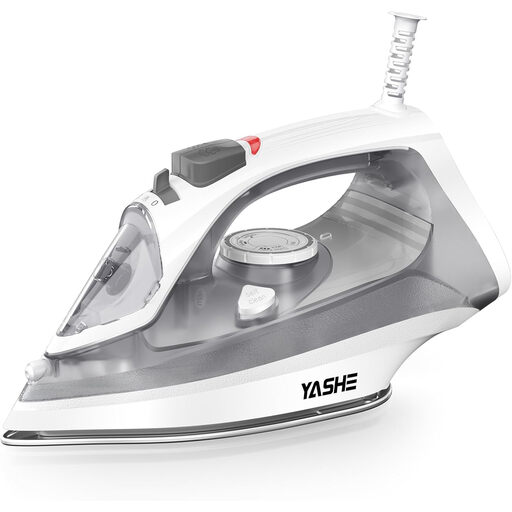
YASHE WSD-218 steam iron
A conventional steam iron to compare for a regular ironing session with pillowcases.
2300 W; 300 ml tank; continuous steam output of 25 g/min and a steam boost of 150 g/min. The title also mentions a non-stick soleplate, automatic cleaning and an anti-drip system.
View at Joybuy
 No image available
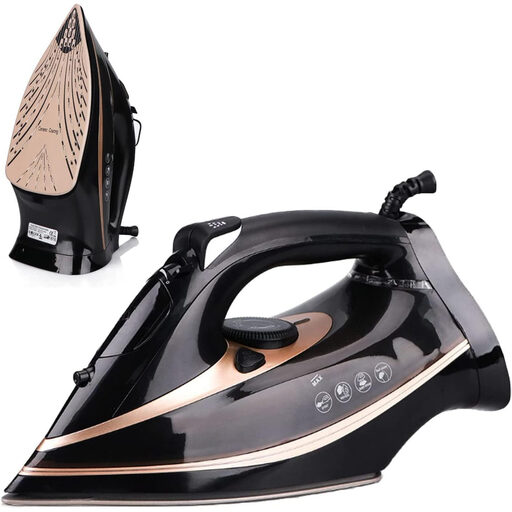
Steam iron with ceramic soleplate
A conventional steam iron to compare for a short ironing session.
2600 W; 300 ml tank; steam output of 70 g/min and a steam boost of 120 g. The title mentions a self-cleaning function.
View at Joybuy
 No image available
Handheld steam iron, 2400 W
A portable model to compare if you are looking for an iron for home or travel.
The title mentions a non-stick soleplate, automatic cleaning and an anti-drip system. The product description lists five adjustable temperature settings.
View at Joybuy
 No image available
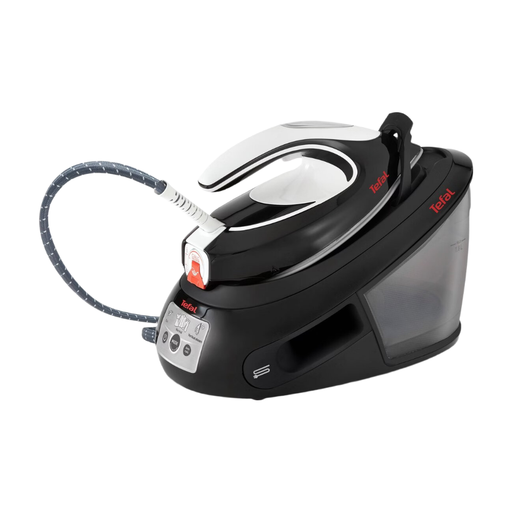
Tefal SV8055 Express Anti-Calc steam generator iron
A steam generator iron to compare if you iron several pillowcases one after another. Bear in mind that you will need space for the separate base.
The product description lists continuous steam output of 120 g/min and a steam boost of 450 g/min, as well as automatic temperature and steam selection and a removable scale collector. The title lists 6.5 bar.
View at Joybuy
 No image available
Philips PSG3000/20 steam generator iron
A steam generator iron to compare for a longer ironing session. Make room for the base unit.
2400 W; removable 1.4 l tank; steam boost of 350 g. The product description lists a ceramic soleplate, automatic shut-off and temperature selection based on the care label.
View at Joybuy
Frequently asked questions
Can I automatically iron a cotton pillowcase on the highest setting?
No. Choose the maximum temperature according to the ironing symbol for the whole pillowcase, not just the cotton fibre. GINETEX lists maximum soleplate temperatures of 200 °C, 150 °C and 110 °C for the relevant symbols. The 110 °C symbol means you should iron without steam.
Do I need a special ironing board for a steam generator iron?
Check that your board has enough space and can support the separate base. According to the Consumers' Association, a steam generator iron may be too large or too heavy for a standard ironing board.
What water should you use, and how should you descale the iron?
Follow the manual for the exact model, especially if you use water other than tap water. The Consumers' Association says that steam irons and steam generator irons are designed for tap water. Do not add scented ironing water, and follow the model-specific descaling instructions.
Who is responsible if an iron bought online breaks down too soon?
If the product has been used normally and does not perform as you could reasonably expect, the seller is responsible under the Dutch statutory guarantee. Repair, replacement or a refund will depend on the circumstances. Online purchases generally also come with a 14-day cooling-off period after delivery, although exceptions may apply. ACM ConsuWijzer explains these consumer rights.
Is CE marking required for an electric iron sold in the Netherlands?
Yes. The Netherlands Food and Consumer Product Safety Authority states that CE marking is mandatory for electrical products covered by the relevant requirements. This general requirement does not, by itself, confirm that a specific model on sale demonstrably meets every requirement, so check the exact product.


