
Anyone pressing their own trouser hems
You want to press a folded or sewn hem flat without shifting the fabric. Seamwork describes pressing as holding the iron still while applying pressure.


If you only press trouser hems occasionally and have limited space, start with a standard steam iron that you can position precisely and store easily. Seamwork describes pressing as holding the iron still while applying pressure. A steam generator is worth considering mainly if you also regularly have a large pile of ironing and have room for its separate base unit. Match the temperature to the fabric care label, and check the dimensions, mains voltage specification and compliance of the exact model before buying.
You want to press a folded or sewn hem flat without shifting the fabric. Seamwork describes pressing as holding the iron still while applying pressure.
You use your iron for quick jobs and need to clear your workspace afterwards. The Consumers' Association lists size and weight as factors to consider when choosing a steam iron.
You want to avoid leaving a visible pressing mark or damaging the fabric, so you pay attention to the care label, the setting and whether to use a pressing cloth. Seamwork warns that pressing an invisible hem incorrectly can leave a line on the right side of the fabric.
Start by asking whether you mainly press trouser hems or also have a lot of other ironing to do. For hems, Seamwork recommends holding the iron still; the Consumers' Association lists size and weight as factors to consider when choosing a steam iron.
| What to consider | What to look for when buying | Who is this important for? |
|---|---|---|
| Pressing a hem precisely | Look at the shape of the soleplate and check that you can adjust the temperature and steam to suit the trouser fabric. Practise pressing on a piece of scrap fabric. | If I want to press a narrow hem neatly, I need to be able to position the iron precisely. Around 36% of consumers put control when pressing first. |
| Workspace and storage | Compare the dimensions and weight, and allow space for a heat-resistant resting surface as well as storage. | If I need to clear my workspace after a quick job, I have to consider the space needed both to use and store the iron. Around 29% of consumers prioritise space. |
| Protecting the trouser fabric | Follow the care label and check whether the temperature is adjustable. Use a pressing cloth if needed, and test on an inconspicuous area first. | If my main concern is leaving a mark on my trousers, I want to match the heat carefully to the fabric. Around 21% of consumers prioritise fabric protection. |
| Maintenance with regular use | Check the manual for the exact model and find out which descaling or self-cleaning procedure it requires. | If I use the steam function regularly, I want to know what maintenance the model requires. Around 14% of consumers prioritise ease of maintenance. |
When pressing, hold the iron still while applying pressure. Moving it back and forth can shift the fabric.
Work in short sections, lifting the iron before moving on to the next one. Test the setting on a piece of scrap fabric first.
The separate water tank and base unit take up space during use and storage, which matters in a small flat.
Compare the whole set-up with the space you have available, not just the stated steam performance.
With an invisible hem, pressing incorrectly can leave a line on the right side of the fabric.
Follow the fabric care label and test the temperature on an inconspicuous area first. Use a pressing cloth if needed.
The TexStyle 1 range includes standard steam irons. The SI 1070 PU is one model to compare for its controls and size.
The 3000 Series includes standard steam irons; the DST3041/30 is a model with a built-in water tank.
The Ultragliss Plus FV6810 is a standard steam iron worth comparing if you also have other ironing to do.
These Joybuy picks are suited to quick pressing jobs and limited workspace or storage. Check the dimensions, mains voltage specification and compliance of the exact model before buying.
 No image available
Worth considering if you have limited storage space and want to adjust the temperature manually.
Compact, lightweight design; manually adjustable temperature and steam boost.
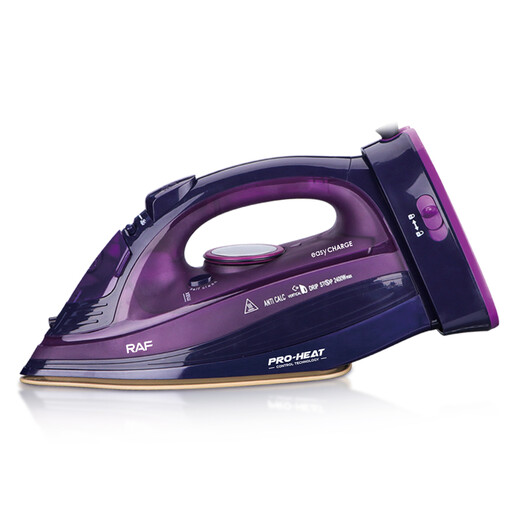 No image available
Worth considering if you want to work without a cord during quick pressing jobs.
2400 W; 320 ml tank; steam output of 15–25 g/min; ceramic soleplate; storage lock.
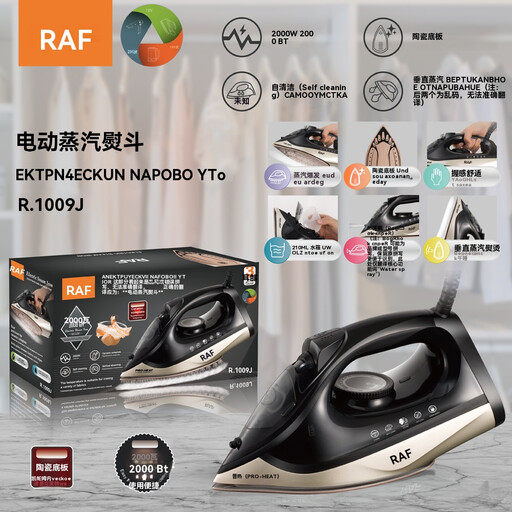 No image available
Worth considering if you want to adjust the temperature and steam manually to suit the fabric.
Ceramic soleplate; manual temperature and steam controls; 210 ml tank; self-cleaning function.
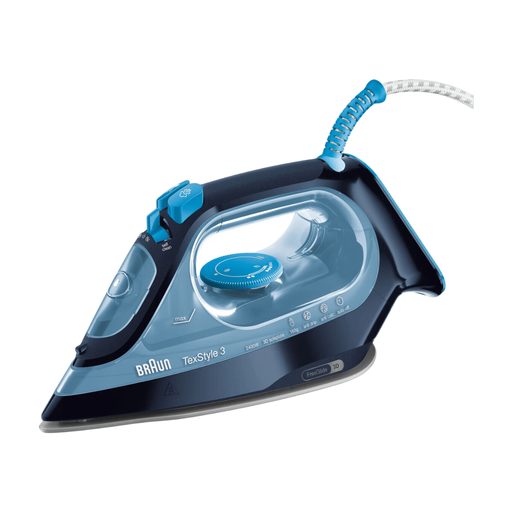 No image available
Worth considering if you want to work precisely along a narrow hem and adjust the temperature.
FreeGlide 3D soleplate; precision tip; temperature selector; steam boost.
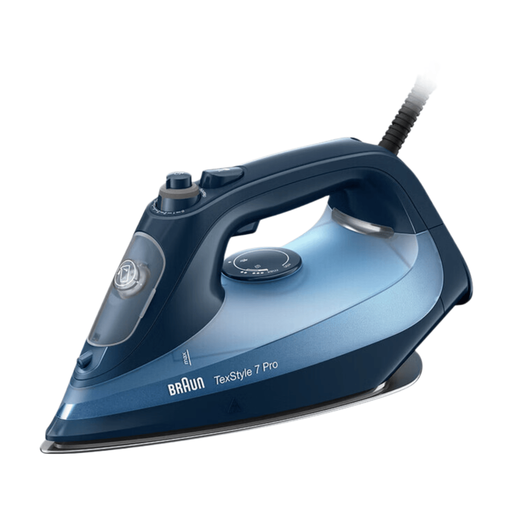 No image available
Worth considering if you want to work precisely along a hem and match the temperature to the garment care label.
FreeGlide 3D soleplate; precision tip; dial temperature control; self-cleaning and automatic shut-off.
Place the iron briefly on the hem, then lift it before moving on to the next section rather than sliding it back and forth. Follow the fabric care label. If the fabric is delicate, test on a piece of scrap fabric first and use a pressing cloth if needed.
No, follow the care instructions for the exact model. Philips, for example, has different descaling procedures for different models and functions, and says that instructions for steam irons do not apply to steam generators.
New electrical equipment covered by the EU Low Voltage Directive, rated at 50–1,000 V AC, must meet CE requirements. Check the mains voltage specification and compliance of the exact model; a statement on an online shop page alone does not confirm that all requirements have been met.
For a standard online consumer purchase, you generally have 14 days from delivery to change your mind, subject to legal exceptions. According to ACM ConsuWijzer, if a product develops a fault sooner than you could reasonably expect under normal use, you can hold the seller responsible under the statutory guarantee. A manufacturer's warranty does not replace these rights.