
Parent with a single school patch
Wants to press a small appliqué onto clothing after a busy week, while following the instructions for both the patch and the fabric.


If you’re applying a few patches, choose an iron that lets you set the recommended temperature and press without steam; a small soleplate can be useful around seams and on small areas. If you also iron school uniform regularly, a standard steam iron may be more versatile. However, check separately that its temperature and steam settings are suitable for both the patch instructions and the fabric.
Wants to press a small appliqué onto clothing after a busy week, while following the instructions for both the patch and the fabric.
Wants one appliance for occasional repairs and everyday ironing, taking separate temperature and steam settings into account.
Wants to check first that an iron-on patch is suitable for the fabric and the amount of wear the area will face; extra stitching may sometimes be needed.
Choose this if: you mainly work on small appliqués or areas near seams, and want to be able to set the recommended temperature. Prym lists a temperature range of 70–210 °C and a soleplate measuring 130 × 75 mm for its MINI set.
Keep in mind: the small soleplate means more passes on larger garments; also check whether the model you choose can press without steam.
Choose this if: you iron school laundry as well as applying patches. Tefal lists five temperature settings for the Express Steam FV2838.
Keep in mind: a steam specification doesn’t tell you whether you can press without steam for your patch; check separately whether the steam can be switched off.
Choose this if: most of your ironing is everyday laundry and you only apply patches occasionally. Philips describes the PSG7300/70 as having automatic steam and OptimalTEMP.
Keep in mind: this product description doesn’t confirm that a specific patch will reach its required temperature or that you can switch off the steam for patch application.
Choose this if: a patch that doesn’t need ironing is suitable for the fabric and repair. Prym says its Rub-on Patch STRETCH can be applied without ironing.
Keep in mind: this is a different type of patch; it doesn’t mean an existing iron-on patch will stick without heat.
| What to consider | What should you check? | Who is this important for? |
|---|---|---|
| Heat and steam | Compare the patch instructions and garment care label with the adjustable temperature; check whether you can switch off the steam if the instructions call for dry pressing. | When I apply a patch to school uniform, I want to follow the temperature required for the adhesive without damaging the fabric. Around 38% of consumers put this compatibility first. |
| For everyday laundry too | Check the temperature and steam settings, and whether the size and weight suit the amount of ironing you do. | If I want to iron clothes after applying a patch, everyday use matters as well as the repair. Around 31% of consumers prioritise having one appliance for both tasks. |
| Access to small areas | Compare the shape and dimensions of the soleplate with the area you need to press; check whether the garment can lie flat on a suitable heat-resistant surface. | When a patch is close to a seam, I want to position the pressing surface accurately. Around 23% of consumers make precision on small areas their top priority. |
| Safety and maintenance | Check the safety information and CE marking for the specific appliance; if you have a steam iron, follow the maintenance instructions for that exact model. | When I use an electrical appliance and iron with steam, I want to know how to use and maintain it safely. Around 8% of consumers put this above the other purchase concerns listed. |
Different types of patch may need different application temperatures. A setting that works for one appliqué may therefore be unsuitable for another patch or fabric.
Read the instructions for your specific patch and check the garment care label before choosing an appliance or starting to press.
An unsuitable combination could damage the fabric or mean the patch isn’t applied according to its instructions.
A steam specification for smoothing clothes doesn’t confirm that you can dry-press at the temperature your patch requires.
Check the temperature setting and whether you can switch off the steam separately from the stated steam output.
For areas subject to heavy wear, such as knees and elbows, Prym also recommends adding a few stitches when using its polyester iron-on repair fabric.
Check the instructions for your chosen patch and consider how much wear the area will face; heavily worn areas may need extra stitching.
A stated manufacturer’s guarantee doesn’t automatically determine how long your statutory rights apply. According to ACM ConsuWijzer, the statutory guarantee period in the Netherlands depends on what you can reasonably expect from the product under normal use.
Keep your proof of purchase and assess any fault in light of your statutory rights with the seller.
These brands cater to different needs; the features mentioned are manufacturer specifications or descriptions, not independent measurements.
Craft-focused MINI set for small pressing jobs; Prym also sells a range of repair patches.
Standard steam irons for those who want to apply patches and iron everyday laundry too.
TexStyle 5 steam iron with a precision tip for detailed everyday ironing.
PerfectCare steam generators for everyday ironing, with automatic steam control.
Below are Joybuy product options for ironing and clothing care; check whether each product is suitable for the instructions for your patch and fabric.
 No image available
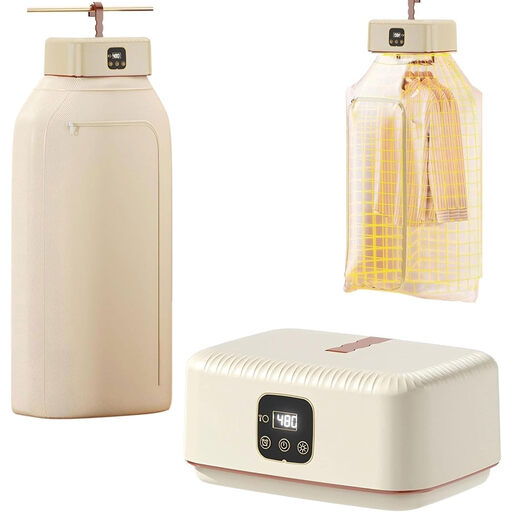
The product name describes a portable drying and automatic ironing machine; before applying a patch, check whether its specific instructions and your fabric are compatible with the available settings.
The product name mentions an adjustable timer and use for travel or quick drying.
 No image available
If you iron everyday laundry as well as applying patches, a steam generator may be an option; check the temperature and steam settings separately for the patch.
The product name lists 2400 W, a 350 g steam boost, a 1,4 l water tank and vertical ironing.
 No image available
This standard steam iron may suit you if you also iron clothes; before applying a patch, check whether the steam can be switched off and the recommended temperature set.
Tefal lists a continuous steam output of 45 g/min for the FV5736; this is a steam specification for the model, not a measure of patch adhesion.
 No image available
The product name indicates that this is a steam generator for ironing; if you want to use it to apply patches, first check the required temperature and whether dry pressing is possible.
The product name identifies the model as a steam generator iron.
 No image available
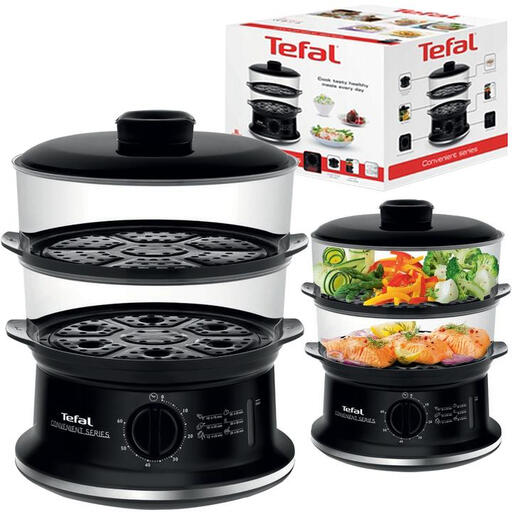
This model is described as a steam iron in the product name; for patch application, check whether the temperature and steam controls suit the patch instructions.
The product name lists 900 W and a vertical steam function.
Follow the instructions for the specific patch and the garment’s care label. BenIkHip.nl recommends 160–170 °C without steam for its full-colour appliqués and 130–150 °C without steam for its uni-flex appliqués; these aren’t universal settings.
It depends on the patch and how much wear the area will face. For its polyester iron-on repair fabric, Prym also recommends adding a few stitches on areas subject to heavy wear, such as knees and elbows.
Check the product safety information and CE marking for the specific model. According to the European Commission, electrical equipment with a rated AC voltage of 50–1000 V falls within the scope of the Low Voltage Directive; the manufacturer is responsible for the conformity assessment and the relevant documentation.
Follow the manual for the exact model. Philips recommends repeating the descaling procedure described for its product once a month, or more often if needed; don’t automatically apply this frequency to other brands or models.
No. According to ACM ConsuWijzer, Dutch law doesn’t set a fixed period for the statutory guarantee; it depends on what you can reasonably expect from the product under normal use. A manufacturer’s guarantee doesn’t replace this right.