What should you look for when choosing?
Start with the maximum temperature on the care label and the instructions for your patch. Then choose an appliance that can provide the required heat and pressure.
| What to consider |
What should you look for? |
Who is this important for? |
| Temperature for the fabric and patch |
First, compare the care label with the instructions for the specific patch. |
I want to avoid using a temperature that isn’t suitable for my garment, so I check both sets of instructions. Around 36% of consumers prioritise compatibility between the fabric and patch. |
| Contact pressure and soleplate |
Check the size of the soleplate and whether the steam can be switched off if the patch instructions require it. |
If I want to press a small patch precisely, I consider how I can position the soleplate over the entire area. Around 29% of consumers prioritise precise pressing. |
| Taking it with you and plugging it in |
Check the exact model, plug and permitted voltage. Set a dual-voltage appliance according to the instructions. |
If you want to take the iron with you, its size and plug need to suit your destination. Around 21% of consumers prioritise portability and plug compatibility when travelling. |
| Ironing everyday laundry too |
Compare the temperature controls, steam settings, soleplate and cord length for any additional ironing. |
I want to iron clothes as well as attach the patch, so I’m looking for one appliance that can do both. Around 14% of consumers prioritise using their iron for both tasks. |
Irons at Joybuy
These product picks are household and handheld irons designed for contact ironing. Check that the temperature and steam settings are suitable for your patch and garment. For an electrical appliance, also check the product requirements that apply to the specific model.
 No image available
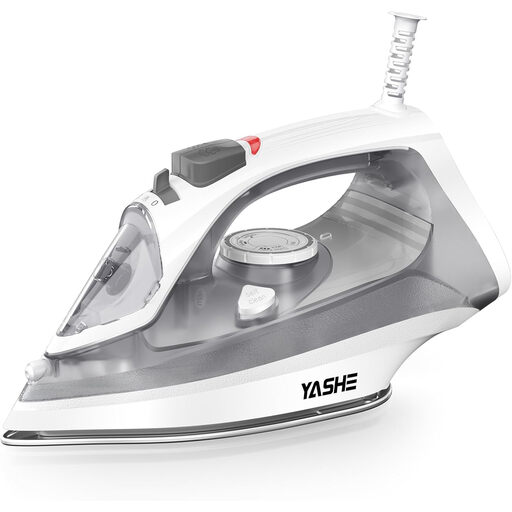
YASHE WSD-218 steam iron
A household iron for attaching a patch at home and tackling everyday ironing too. Check that its settings are suitable for the patch instructions.
2300 W; 300 ml reservoir; non-stick soleplate.
View product at Joybuy
 No image available
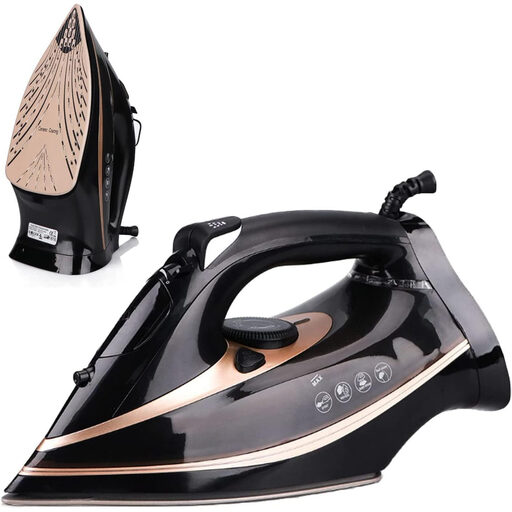
Steam iron with ceramic soleplate, 2600 W
A household model for contact ironing. Compare the patch instructions with the settings available on this appliance.
Ceramic soleplate; 2600 W; steam output of 70 g/min and an extra steam shot of 120 g.
View product at Joybuy
 No image available
Handheld steam iron, 2400 W, with non-stick soleplate
This handheld model may suit you if you’re looking for an iron to take with you too. Before use, check the settings for your patch and garment.
2400 W; non-stick soleplate.
View product at Joybuy
 No image available
Xiaomi Handheld Steam Iron BHR9034EU
A compact handheld model for anyone who wants to take an iron with them. Check that the plug and voltage setting are suitable for your destination.
Dual voltage; described as compact and lightweight in the product name.
View product at Joybuy
 No image available
Philips 1000 Series DST1030/20 steam iron
A household iron for anyone who also irons clothes. Check that its temperature and steam settings match the instructions for your patch.
2000 W.
View product at Joybuy
Frequently asked questions
Which setting should you use for an iron-on patch?
Follow the instructions for the specific patch and do not exceed the garment’s maximum ironing temperature. For the emblem in question, HEMA recommends the cotton setting, steam switched off, a damp cloth and firm pressure. This method does not necessarily apply to other patches.
Can you iron a patch onto a nylon jacket after a trip?
Only if the heat requirements for both the jacket and the patch allow it. If the required heat is not suitable, choose a method designed for the fabric. For example, Prym describes a self-adhesive repair patch for nylon and polyamide, not as a general substitute for a decorative iron-on emblem.
Can a clothes steamer replace an iron for patches?
Not automatically: a steamer is designed to steam clothes, whereas the HEMA instructions we consulted for the emblem in question say to press firmly with an iron. Follow your patch instructions before choosing another method.
How should you care for a patch after attaching it?
Follow the instructions for your patch. For the HEMA emblem in question, HEMA says to let it cool, repeat the pressing step, secure the edges with thread, wait at least 24 hours, then wash and iron it inside out.
Which product safety requirements apply when buying in the Netherlands?
Electrical appliances placed on the market in the Netherlands are subject to the applicable European safety requirements. Ondernemersplein, the Dutch government’s business information portal, states that the manufacturer must affix a CE mark and draw up an EU declaration of conformity for an appliance that meets these requirements. If necessary, check the documentation for the specific product model.


