
Ironing in short sessions
You iron a few linen napkins and want to be able to put the appliance away afterwards in a small laundry area.


For ironing a few linen napkins at a time, a standard steam iron is usually the more practical choice: it generally takes up less storage space than a steam generator, according to the Consumentenbond. If you often iron large piles in one go, a generator with a separate tank may be more convenient, provided you have room for the whole base unit. Follow the care label; Vanlinnen recommends ironing its own linen products while they’re slightly damp.
You iron a few linen napkins and want to be able to put the appliance away afterwards in a small laundry area.
You want to smooth out visible creases and edges carefully, and are interested in the steam settings and how the soleplate feels to use.
You often iron lots of napkins in one go and are weighing up fewer refills against the extra space needed for a separate base unit.
Start by considering your available storage space and how many napkins you iron per session. Then compare the steam settings and maintenance requirements.
| What to consider | What to look for when buying | Who is this important for? |
|---|---|---|
| Storage and handling | Measure your shelf and storage space; compare the dimensions of the whole appliance, not just the iron itself. | In a small laundry area, I want to be able to put the appliance away quickly after use; around 42% of consumers prioritise ease of storage. |
| A smooth finish on linen | Read the care label and compare adjustable steam and continuous steam with a separate steam boost. | If I care about creases and neat edges, I want to be able to adjust the steam to suit; around 33% of consumers give the ironing result top priority. |
| Ironing large piles | Compare tank capacities and check that the base unit will fit on your shelf and in your storage space. | For long ironing sessions, I want to minimise interruptions to refill, without choosing a unit that won’t fit; around 17% of consumers prioritise fewer refills. |
| Limescale and maintenance | Check the model’s descaling instructions and guidance on water use. | If I want to avoid limescale stains, I look for clear, model-specific maintenance instructions; around 8% of consumers prioritise easy maintenance. |
A steam generator also comes with a base unit. The Consumentenbond warns that this setup may be too large or too heavy for a standard ironing board.
Measure your ironing board and storage space, then compare them with the dimensions of the complete appliance.
A steam boost, measured in grams, describes a short burst of steam; continuous steam is measured in grams per minute. These are different figures, and neither on its own proves how well the iron will perform on your napkins.
Compare the figures separately, and also take the care label and steam settings into account.
Tefal warns that using vinegar or descaling products with its steam generators may damage the water tank.
Follow the descaling instructions for your specific model.
Additional cover is separate from your statutory rights. The Dutch government advises consumers to contact the seller if a product is faulty.
Check what the additional cover offers before deciding whether to take it out.
The TexStyle 1 SI 1050 BL we looked at is a steam iron suited to shorter sessions.
The Express Steam FV2838E0 we looked at is a standard steam iron; the Express Easy SV6131E0 is a steam generator with a separate tank.
The PerfectCare 6000 PSG6064/80 we looked at is a steam generator that Philips positions for people who do a lot of ironing and have storage space to consider.
The Steamforce DW9240D1 we looked at is a steam iron for anyone who wants to avoid a separate generator base unit.
This selection includes handheld steam irons and models with a separate base unit. Compare the dimensions of the complete appliance with the space in your laundry area. The NVWA states that electrical consumer products must meet the applicable requirements and carry a CE mark; a statement on an online shop page alone doesn’t prove that a specific item meets these requirements.
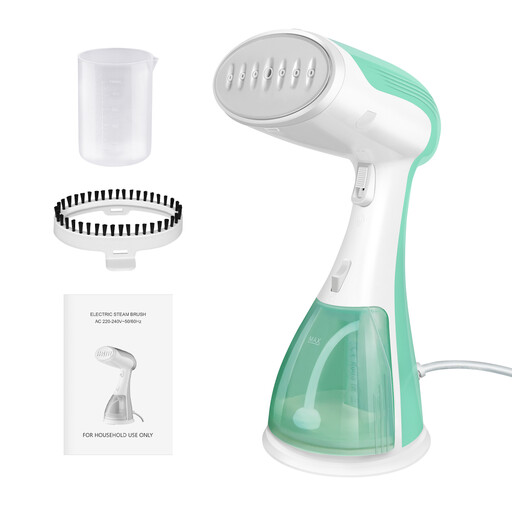 No image available
This handheld model may suit short sessions and ironing on a flat surface; check that its controls work for the way you iron your napkins.
The product name specifies 1500 W and a 25-second heat-up time.
 No image available
A compact handheld model may be worth considering if space is limited in your laundry area. Check the dimensions and whether the temperature and steam settings suit your napkins.
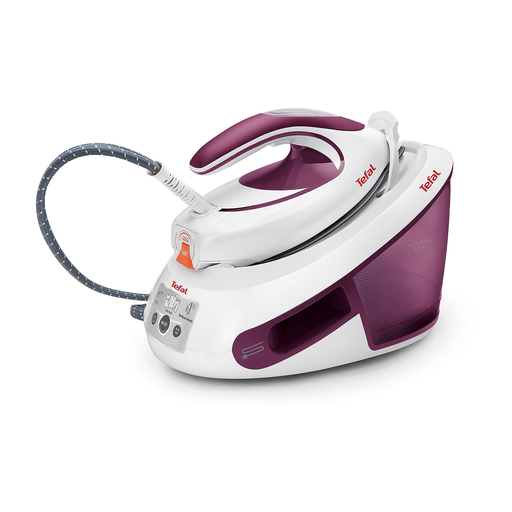 No image available
A standard steam iron keeps the number of separate parts to a minimum. Check that its features and dimensions suit your ironing sessions and storage space.
The product name specifies 2800 W, a 1,8 l tank and a Durilium soleplate.
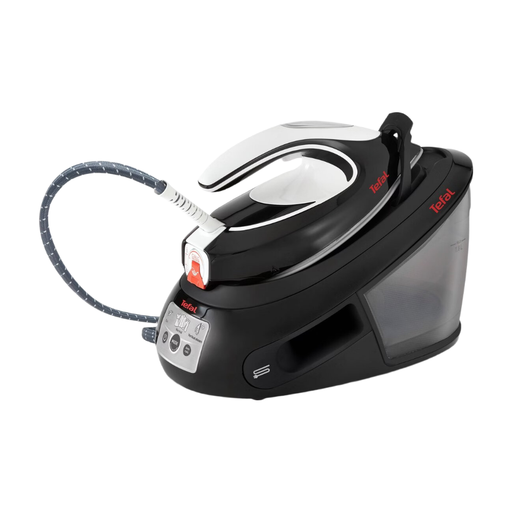 No image available
A generator may suit longer sessions, but its separate base unit takes up extra space in a small laundry area.
The product name specifies 6,5 bar. Measure the space for the complete appliance before making your choice.
 No image available
This model has a base unit, so check that the complete setup will fit in your laundry area and on your ironing board.
The product name specifies 2400 W, a 350 g steam boost and a 1,4 l tank.
Start by following the care label on your napkins. For its own linen products, including napkins, Vanlinnen recommends ironing while they’re still slightly damp; don’t automatically apply this advice to other fabric blends or finishes.
That depends on the board and the appliance you choose. The Consumentenbond warns that a generator may be too large or too heavy for a standard board; compare the model’s dimensions and guidance with your setup.
No. Follow the instructions for your specific model. Tefal warns against using vinegar or descaling products in the water tank of its steam generators.
The NVWA states that electrical consumer products must meet the applicable requirements and carry a CE mark. Check the information for the specific appliance; a statement on an online shop page alone doesn’t prove that the item meets these requirements.
No. According to the Dutch government, you also have statutory rights if a product is faulty, and you should contact the seller. There’s no fixed statutory warranty period; what you can expect from a product depends, among other things, on the product itself and how it’s used.