
Pressing cuffs precisely
You want to lay a cuff flat and work around the buttons with the tip of the iron. Philips recommends following the garment care label, so you’ll need an appliance with a suitable temperature setting.


For cuffs you want to press flat, a manageable iron with a suitable tip and a heat-resistant ironing surface is the best choice; if you only have a small amount of ironing to do, a steam generator is often more than you need. A handheld steamer is mainly designed for refreshing hanging clothes and won’t automatically replace pressing cuffs flat. Check the garment care label and the safety information for the exact appliance, and agree with anyone else using it how it should be cooled, stored and maintained.
You want to lay a cuff flat and work around the buttons with the tip of the iron. Philips recommends following the garment care label, so you’ll need an appliance with a suitable temperature setting.
You only iron occasionally and want something that’s easy to store. The Consumers’ Association recommends a standard iron if you have little ironing to do, limited space or a tight budget.
You want to freshen up a hanging shirt without setting up a dedicated ironing space, or you share the appliance with housemates. Philips also describes maintenance steps for its steam models, which can vary from one model to another.
Choose this if: you only want to press cuffs flat occasionally and don’t need steam.
Bear in mind: you’ll need a heat-resistant surface, and there’s no built-in steam function.
Choose this if: you want to steam other parts of shirts or other items as well as cuffs.
Bear in mind: the appliance has a water tank and needs maintenance; check the descaling instructions for the exact model.
Choose this if: you mainly want to quickly refresh hanging clothes without setting up a standard ironing board.
Bear in mind: steaming vertically isn’t the same as pressing a cuff flat; if you’re considering a hybrid model, check that it can be used horizontally and what surface you’ll need.
Choose this if: your household regularly irons large amounts of laundry and has space for the set-up.
Bear in mind: the larger tank and set-up may be unnecessary if you only iron a few cuffs.
| What to consider | What to look for | Who should pay particular attention? |
|---|---|---|
| Working around buttons | Look at the shape of the tip and whether the temperature settings match the garment care instructions. | I want to lay the cuff flat and work precisely around the buttons; around 36% of consumers prioritise this level of precision. |
| Space and purchase cost | Compare the dimensions of the exact model and consider where you’ll store the appliance and ironing surface. | If I have little cupboard space or only iron occasionally, a compact set-up matters; around 29% of consumers prioritise space or cost. |
| Quick touch-ups | Decide whether you want to smooth creases in hanging clothes or press a cuff properly flat. | I want to quickly freshen up a shirt without an ironing board; around 21% of consumers prioritise this convenience. |
| Shared use | Check the instructions, maintenance steps and where the appliance can safely cool down. | If housemates share one appliance, I want clear arrangements for its use and maintenance; around 14% of consumers prioritise a shared routine. |
Philips describes its handheld steamer as suitable for refreshing clothes without an ironing board. That’s different from pressing an unbuttoned cuff flat.
First decide whether you mainly want to remove creases from hanging clothes or press cuffs flat. If you’re considering a hybrid model, check whether it can be used horizontally and what surface you’ll need.
If you want to press cuffs flat, you may also need an iron and a suitable ironing surface.
The Consumers’ Association recommends a standard steam iron for smaller amounts of ironing and limited space, and a steam generator for larger loads. The larger set-up can take up more space than necessary for a short ironing session.
Consider how often you iron and how much storage space you have before you factor in tank size.
The Dutch government states that the Netherlands has no fixed statutory guarantee period. A manufacturer’s guarantee alone therefore doesn’t determine your statutory rights if a product is faulty.
Keep your proof of purchase and check any additional guarantee terms separately from your statutory rights.
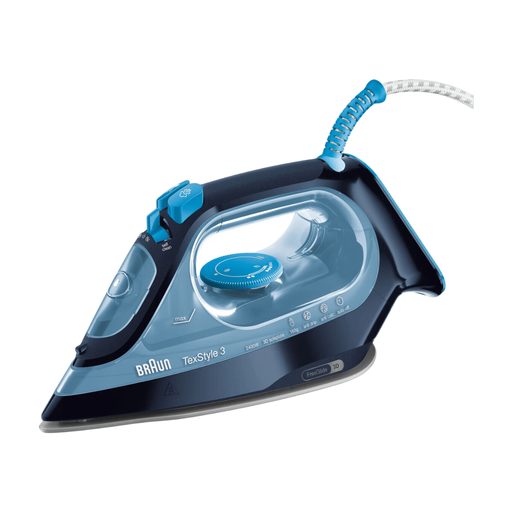
The TexStyle 3 SI 3030 is a steam iron with manual temperature control. It’s worth considering if you’re looking for one appliance for cuffs and other items.
The models listed have different uses: the DST3031/20 is a steam iron, the STH1000/10 is a handheld steamer, and Philips says the OneTurn GC215/20 combines horizontal ironing with vertical steaming.
The BA 3211 is a dry iron for anyone who doesn’t need a built-in steam function; the BA 3234 is a separate travel steam iron.
The Puregliss FV8066 is a steam iron to consider if you regularly iron items other than cuffs and are looking for maintenance features.
This selection includes compact irons, steam irons and an ironing system for anyone who wants to tackle cuffs and other items.
 No image available
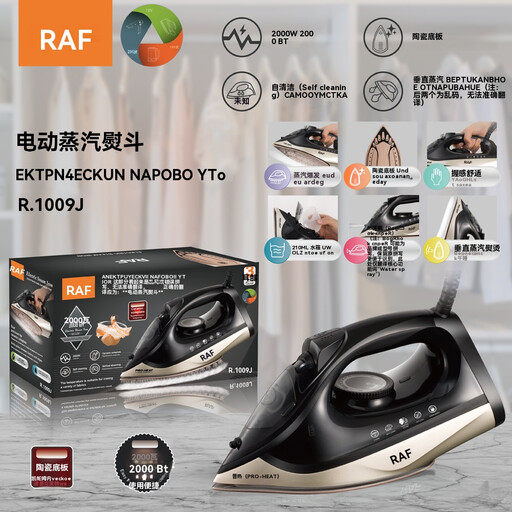
A compact option to consider if you want to iron both with and without steam.
The product description lists a 0,15 l water tank, steam output of 22 g/min and manual temperature control. According to the description, the appliance weighs 0,77 kg.
 No image available
A steam iron to consider if you want to tackle other items as well as cuffs.
The product description lists a ceramic soleplate, a 210 ml water tank and a self-cleaning function.
 No image available
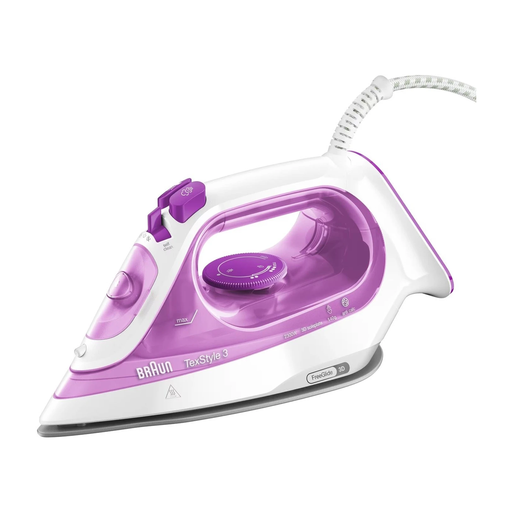
A model to consider if precise ironing around cuffs and buttons matters to you.
The product description mentions a triangular precision tip, iCare temperature control and automatic shut-off.
 No image available
A steam iron to consider if you want to tackle cuffs and other items with the same appliance.
The product description lists a precision tip, a 270 ml water tank and a self-cleaning function.
 No image available
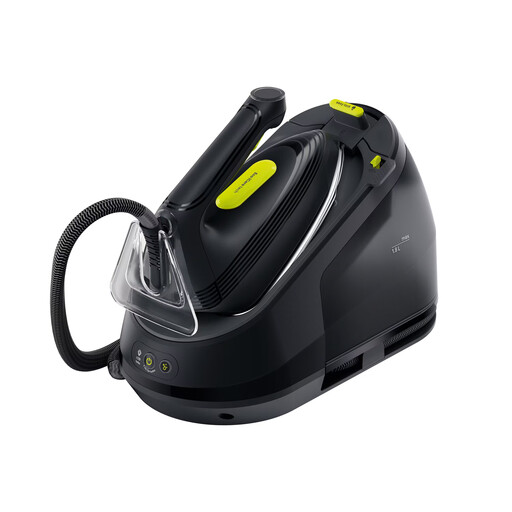
This ironing system is worth considering if you also iron other items and have room for the set-up.
The product description mentions a soleplate that glides past buttons, seams and pockets, as well as automatic temperature control.
Check the garment care label first. Philips recommends unbuttoning the cuff, pressing the inside flat first and then the outside, and working around the buttons with the tip of the iron. This is general usage advice; always follow the instructions on the garment label.
Follow the maintenance instructions for the exact model together. Philips describes different descaling procedures for different systems, so agree on who will keep track of maintenance and follow the steps in the manual.
You don’t need an extended guarantee to have statutory rights. According to the Dutch government, the Netherlands has no fixed statutory guarantee period; if a product is faulty, contact the retailer. Consider a paid extension only after checking its terms and any additional rights it offers.
Check the CE marking and safety information on the actual appliance. The Netherlands Food and Consumer Product Safety Authority (NVWA) states that CE marking is mandatory for electrical products; a product title or brand name doesn’t prove that an individual item meets this requirement.