For frequent, quick ironing sessions, a compact steam iron is generally a better fit than a steam generator, particularly if you can adjust the temperature and steam and the iron has a manageable precision tip. First, check the label on the specific tie: for light creases, hanging it up or steaming it gently may be more suitable than pressing it. A steam generator is worth considering if you also regularly iron larger loads of laundry.
Who is this relevant to?
Wearers of shape-sensitive ties
If you want to remove creases from a cotton tie without damaging its shape through direct pressure, check the label first and consider hanging it up or steaming it gently. The Tie Bar and Drake’s provide care advice for their ties; always follow the maker’s instructions for a specific tie.
People ironing small loads between other tasks
If you only iron a few items at a time, focus on how quickly the iron is ready to use and how easy it is to put away. The Consumers’ Association describes a steam iron as a compact option for smaller ironing loads.
People ironing mixed cotton laundry
If you iron other cotton garments as well as ties, weigh up adjustable steam and temperature against tank capacity and maintenance. Treat the tie separately from other items that can be ironed.
What should you look for when buying?
Compact steam iron
Best for: people who often iron a few items and want an iron that is quick to get ready and easy to put away.
Trade-off: the smaller tank may need refilling sooner during longer ironing sessions.
Steam generator
Best for: people who regularly iron for longer periods as well as tackling small loads, or deal with stubborn creases in other laundry.
Trade-off: according to the Consumers’ Association, a steam generator takes up more space and takes longer to heat up than a steam iron.
Hanging or gentle steaming
Best for: light creases or a tie whose label says not to press it.
Trade-off: you avoid putting direct pressure on the tie, but you won’t get the same pressing effect on other cotton items that can be ironed.
| What to consider |
What should you look for? |
Who is this important to? |
| Keeping the tie in shape |
Read the label and check whether the temperature and steam can be adjusted appropriately. Use a pressing cloth and light pressure only if ironing is allowed. |
If I want to remove creases from a tie, I don’t want pressing to spoil its shape. Consumers who prioritise preserving the tie’s shape make up around 36% of consumers with this buying need. |
| Getting started quickly with a small load |
Compare the stated heat-up time for the specified setting, as well as the size and tank capacity. |
For a few items, I want to be able to grab the iron quickly and put it away again. Around 29% of consumers prioritise getting started quickly with small loads. |
| Smoothing other cotton items |
Compare continuous steam output separately from the burst of steam, and adjust how you use the iron to suit each garment’s label. |
If I iron other cotton items as well as ties, I want to be able to adjust the settings for each garment. Consumers who prioritise versatile cotton ironing make up around 21%. |
| Maintenance with frequent use |
Read the descaling instructions for the exact model and check how to keep the reservoir and soleplate clean. |
If I use the iron regularly, I want to know what maintenance it requires. Around 14% of consumers prioritise easy maintenance. |
Common buying mistakes
-
Treating a tie like a flat cotton garment
The cotton outer fabric alone doesn’t tell you how the tie is made or whether it can be pressed directly. Tie care advice warns against direct or heavy pressure.
Check the label on the specific tie. For light creases, try hanging it up or steaming it gently first; only iron it if the label allows this.
-
Confusing a burst of steam with continuous steam
Continuous steam output and a temporary burst of steam are different product specifications and describe different ways of using the iron.
Compare the figures separately, and don’t let your need for steam on other laundry dictate how you treat a tie.
-
Choosing a steam generator for just a few small loads
The larger tank and higher steam output can be useful for longer ironing sessions, but a steam generator generally takes up more space and, according to the Consumers’ Association, takes longer to heat up.
Choose this type mainly if you also regularly iron larger loads or tackle stubborn creases.
Brands to compare
Braun
The TexStyle 3 range includes the SI 3030, a steam iron with manual temperature control and a precision tip.
- Braun states that the SI 3030 takes 35 seconds to reach its maximum setting and has a 270 ml reservoir and a self-cleaning function.
- These product specifications don’t tell you whether direct pressure is suitable for a specific tie; follow the label for guidance.
Tefal
The Easygliss Plus FV5736 is a standard steam iron with a precision tip and adjustable ironing functions.
- Tefal states that this model delivers 45 g/min of continuous steam and a 220 g steam boost.
- These are product specifications, not a measure of how suitable the iron is for cotton ties. Check the tank capacity of the version on offer before taking it into account.
Philips
The 3000 Series includes the DST3031/20, which Philips lists as having a ceramic soleplate and a 300 ml reservoir.
- Philips says the tank capacity is suitable for smaller ironing loads without refilling.
- The tank capacity for this specific model doesn’t tell you how it will perform on a tie; Philips provides descaling instructions for each model or series.
Ironing and steaming products at Joybuy
These products focus on compact ironing and steaming solutions for small loads or garments that are treated while hanging. For a tie, always check the label first, along with the product and compliance information for the item on offer.
 No image available
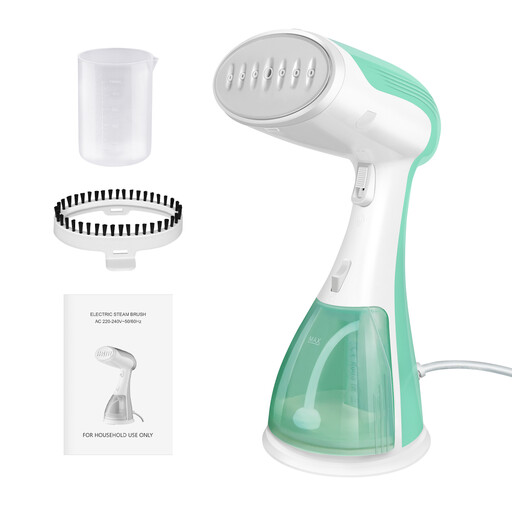
Handheld garment steamer, 1500 W, 25-second heat-up time
Suitable if you also want to steam small loads while garments are hanging; only iron a tie if the label allows it.
The product information states a 25-second heat-up time, a 300 ml tank and a brush attachment. The description mentions both steaming garments while hanging and ironing them on a flat surface.
View at Joybuy
 No image available
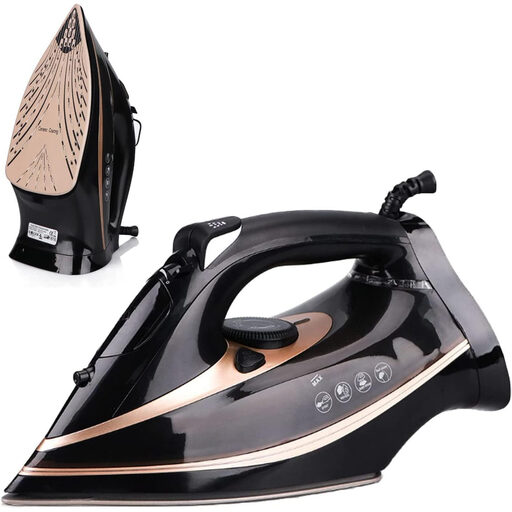
Steam iron, 2600 W, ceramic soleplate
Suitable if you iron other cotton items as well as small loads; only use the settings on a tie if its label allows it.
The product description states 70 g/min of steam, a 120 g steam boost, a 300 ml tank and a self-cleaning function. Vertical steam is also mentioned.
View at Joybuy
 No image available
Handheld steam iron, 2400 W, non-stick soleplate
Suitable if you alternate between different items that can be ironed; the fact that a tie has an outer fabric doesn’t mean it should be ironed directly.
The product description states five temperature settings, a 350 ml tank, continuous and vertical steam, and a steam boost. An automatic cleaning function is also mentioned.
View at Joybuy
 No image available
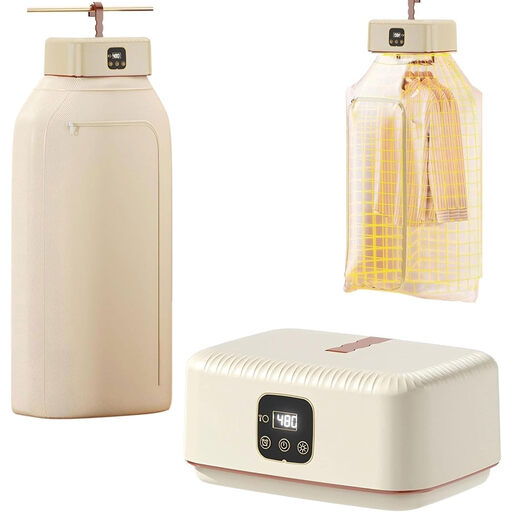
Portable automatic clothes ironing machine
Suitable if you want to steam garments while they are hanging; check that this type of appliance suits the way you want to treat your clothes.
The product description mentions an adjustable timer and automatic adjustment of the steam and drying programme. Vertical steam ironing and cotton are also mentioned.
View at Joybuy
 No image available
Tefal Easygliss Plus FV5736 steam iron
Suitable if you want to adjust the temperature and steam manually for different items that can be ironed. Always follow the label when treating a tie.
The product description states a ceramic soleplate, two heat settings and adjustable steam. Check the tank capacity of the version on offer before comparing it.
View at Joybuy
Frequently asked questions
Should you iron a cotton tie directly?
No, not just because its outer fabric is cotton: check the label on the specific tie first. For its ties, The Tie Bar recommends hanging them up to deal with light creases and steaming rather than ironing for deeper creases; Drake’s describes ironing gently with a pressing cloth and little pressure. These are brand-specific recommendations, not universal care instructions for all cotton ties.
How do you maintain a steam iron that you use frequently for short sessions?
Follow the descaling procedure for the exact model. Philips warns that limescale can affect steam output and describes different methods for each series; don’t automatically use instructions for a Philips model on an iron from another brand.
What if the iron breaks too soon during normal use?
In the Netherlands, the retailer is your point of contact for the legal guarantee if the product doesn’t meet what you could reasonably expect. ACM ConsuWijzer states that the retailer must put right, free of charge, a product that breaks too soon during normal use; a stated manufacturer’s warranty period doesn’t automatically mark the limit of your legal rights.
Which electrical product regulations are relevant when buying in the Netherlands?
Mains-powered electrical equipment within the scope of Directive 2014/35/EU must meet the applicable EU requirements for electrical safety and CE marking. The directive covers equipment with a rated voltage of 50 to 1,000 V AC or 75 to 1,500 V DC. A product listing alone doesn’t confirm that a specific item on offer meets these requirements.


