
Vandaag of morgen in huis

Kwaliteit gegarandeerd

Welkomstaanbiedingen ontgrendelen: GRATIS bezorging | Tot 80% korting | Gratis 30 dagen JoyPlus-proefperiode
Download de app
An IPL hair removal device can be a convenient way to gradually reduce body and facial hair at home. However, many models look similar, while the differences in use, skin compatibility and maintenance can be significant. A device suitable for your legs, for example, is not automatically intended for use on your face or bikini line.
Pay particular attention to these three common pitfalls:
IPL targets the contrast between the hair and the skin. Dark hair on light to medium skin generally responds better than white, grey, light blonde or red hair. With very dark skin, the risk of skin reactions may be higher. Therefore, always check the skin tone chart in the manual.
A skin-intelligence or skin sensor can help select a suitable intensity. This makes the device easier to use, but does not replace the manual or a patch test. Before your first full treatment, test the device on a small area and wait for the recommended period.
A facial and body hair removal device should ideally have separate attachments or clearly state which areas it can be used on. The face requires extra precision and can generally not be treated around the eyes, eyebrows or mucous membranes. Also check whether the manufacturer explicitly mentions the underarms and bikini line.
You should usually shave the treatment area beforehand so that the light can target the hair root. Do not use IPL on tattoos, dark moles, damaged skin or sunburnt skin. If you are pregnant or breastfeeding, have certain skin conditions or have relevant medical concerns, check the manufacturer’s warnings and seek medical advice if necessary.
At-home IPL hair removal requires consistency. A device that you only use occasionally offers less practical value, even if it technically has a high flash count. Therefore, check:
A corded model provides continuous power during your session. A cordless hair removal device is easier to move around, but has a limited operating time per charge. Also pay attention to the difference between IPL, an epilator, an electric hair removal device and a body trimmer: only an IPL model is designed for light-based hair reduction.
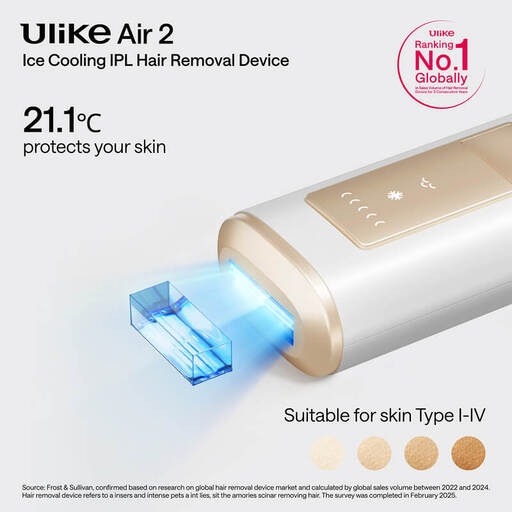
Why it suits this profile: This corded IPL model has five intensity levels and, according to the product information, is intended for use on the face and body. The integrated cooling function may appeal to beginners who value comfort.
The recommended frequency of use and skin restrictions are stated in the product information. According to Ulike, you should carry out a patch test and not use the device on very dark skin or very light hair.
Corded power supply, five settings and Sapphire Ice Cooling according to the manufacturer. Claims about hair reduction and comfort come from Ulike’s product information.
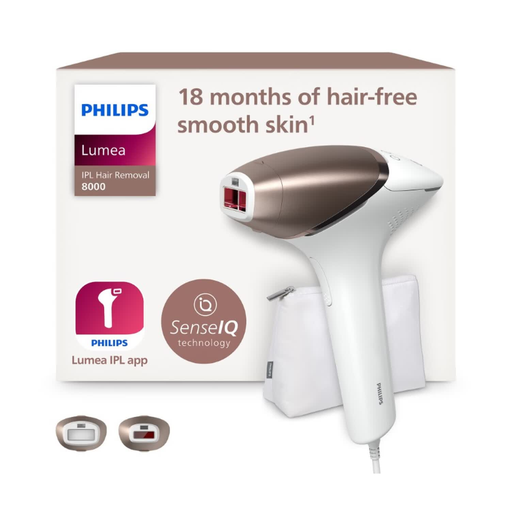
Why it suits this profile: Ideal if you want to establish a regular routine with a model for the face and body, two attachments and guidance through the Philips Lumea IPL app.
It is clearly a corded IPL device rather than a cordless model with limited battery life. Philips also explicitly states restrictions for certain hair and skin colours and specific body areas.
450,000 flashes, two attachments and SenseIQ technology according to the product details. Claims about hair reduction are based on independent studies cited by Philips.
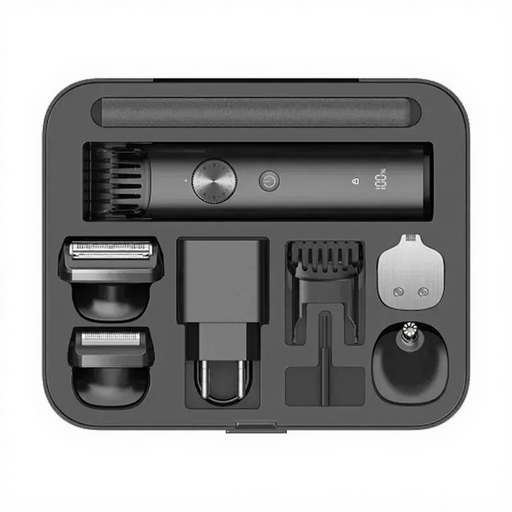
Why it suits this profile: This is not an IPL model, but a versatile body trimmer for anyone who wants to trim hair to different lengths and is looking for a device for regular upkeep.
The product description clearly distinguishes it from IPL: this device trims and shaves, but does not promise long-term hair reduction through light pulses.
Four attachments, length settings from 0.5 to 20 mm, USB-C charging and IPX7 water resistance according to the product specifications.
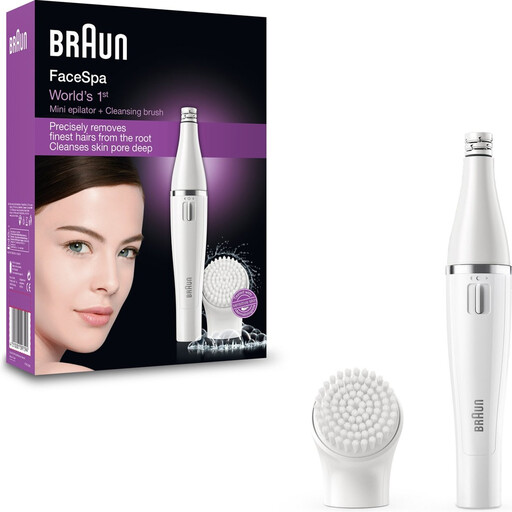
Why it suits this profile: A facial epilator makes sense if you want to remove short facial hairs directly from the root and do not need IPL for your face.
The product is specifically described as a facial epilator. This means you do not have to use a general body model on an area it was not designed for.
Wet & dry use, a facial epilator and a cleansing brush according to the product information. Before use, check which areas of the face are permitted.
We have put together a complete, up-to-date list of products that fully meet these strict selection criteria and the applicable European safety regulations.
An epilator pulls hairs out at the root using a tweezer mechanism. This can leave your skin smooth for several weeks, but the sensation varies from person to person. A wet & dry epilator can be used in the shower, while an electric shaver or body trimmer cuts the hair at skin level.
Choose IPL if you are prepared to follow a treatment plan and want longer-term hair reduction. Choose an epilator for immediate removal from the root. A trimmer is practical for quick touch-ups, sensitive areas and different hair lengths. For some users, combining methods is the most practical option: trim or shave in preparation, then use IPL for the planned light treatment.
No. IPL uses broad-spectrum light pulses, while laser hair removal works with a more specific wavelength of light. An at-home IPL device is intended for cosmetic hair reduction. Always read the usage restrictions and do not expect guaranteed permanent results.
This varies by brand and model. Many devices recommend treatments every one to two weeks or several times a week at first, followed by maintenance treatments. Follow the schedule in the manual and do not treat an area more frequently or for longer than instructed.
The service life depends, among other things, on the number of available flashes, how often you use it and how you store the device. According to the product specifications, a model with 400,000 or 450,000 flashes has a generous supply, but replaceable lamps are not available for every device. Therefore, check the warranty, accessories and cleaning instructions in advance.
