
Vandaag of morgen in huis

Kwaliteit gegarandeerd

Welkomstaanbiedingen ontgrendelen: GRATIS bezorging | Tot 80% korting | Gratis 30 dagen JoyPlus-proefperiode
Download de app
An IPL hair removal device for home use can be a handy alternative to shaving every day, waxing or booking a salon appointment. However, devices vary considerably in treatment speed, skin contact, comfort, how often you need to use them, and whether they’re suitable for the face and body. If you focus only on a promise such as “visible results in just a few weeks”, you could end up buying a device that isn’t right for your skin, hair colour or routine.
This buying guide will help you compare IPL devices and a body epilator objectively.
Brands sometimes quote percentages for hair reduction or a timeframe for visible results. These are not personal guarantees. Philips product information says that its stated results are based on independent research; Ulike and Braun, among others, link their results to their own product information or cited test data. Results also depend on your skin tone, hair colour, hormones, treatment intervals and how consistently you use the device.
So think of “permanent hair reduction” as a goal that requires ongoing maintenance, rather than a promise that hair growth will stop for good.
IPL works by using light that is absorbed by pigment in the hair. This means the device may be less suitable for very light, grey, white or red hair. Very dark, tanned or sunburnt skin can also be a limiting factor. Always check the skin tone chart and contraindications in the instructions.
Also, do not use an IPL hair removal device on tattoos, moles, dark spots, irritated skin or open wounds. Avoid the eyes, mucous membranes and any areas the manufacturer says not to treat.
You’re generally advised to shave the treatment area before using IPL. This allows the light to reach the hair root more effectively and reduces the amount of hair above the skin’s surface. An epilator pulls hairs out of the skin, so it works differently. If you don’t want to shave, you could consider an epilator, but it doesn’t offer IPL treatment and won’t reduce hair growth in the same way over the long term.
An IPL device uses intense pulsed light; it is not a medical laser. Check the available intensity settings, treatment window and instructions for different areas of the body. A model for the face and body should give clear instructions for areas such as the legs, underarms, bikini line and face. Not every device is suitable for every area.
A wide treatment window can help you cover your legs more quickly. For your upper lip or chin, precision and a suitable attachment matter more than speed. You can also browse our page for an upper lip epilator for women.
A skin tone sensor can check or adjust the light intensity, but it doesn’t replace reading the instructions. If a model doesn’t adjust automatically, having several settings makes it easier to start cautiously. For best results, use the device on clean, dry skin and make sure it is in full contact with your skin.
Before your first full treatment, test the device on a small area. Follow the waiting time given in the instructions; some product guidance recommends waiting 24 to 48 hours.
A corded device provides a steady power supply during treatment, but is less flexible to use. A cordless model is easier to handle, but needs to be charged. Also check whether the device is water-resistant. “Wet & Dry” is mainly a feature of epilators; many IPL devices are designed for use on dry skin only.
Also look out for:
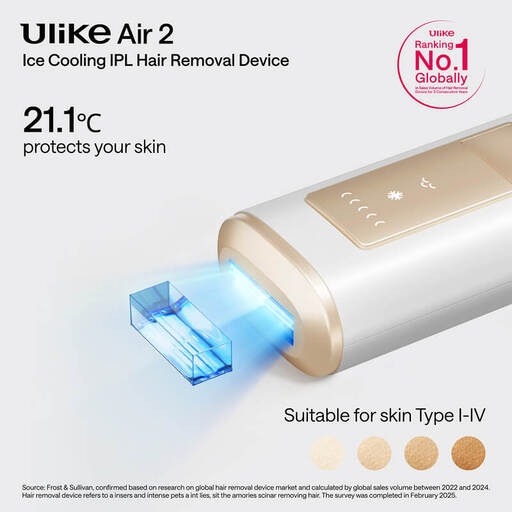
Why it suits this user: This model has five intensity settings and, according to the product information, is designed for use from the face to the body. Its built-in cooling may appeal to beginners who value comfort.
The product information specifies a corded design, five settings and a patch test. The “virtually painless” claim comes from the brand and isn’t a guarantee for every user.
Sapphire Ice Cooling, according to the manufacturer; five intensity levels; suitable for the face and body according to the product description.
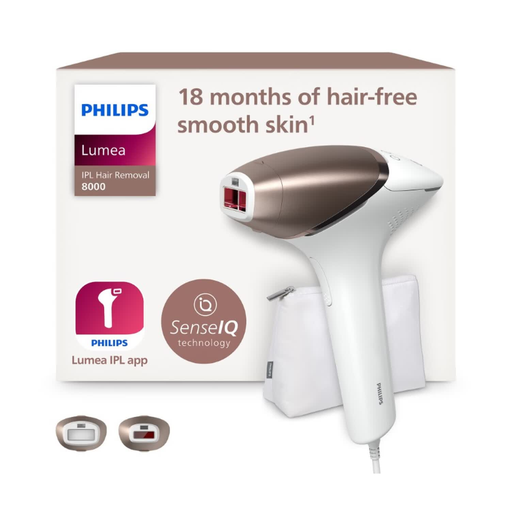
Why it suits this user: A good fit if you want a regular routine with attachments for the body and face, SenseIQ technology and a corded power connection.
The product details specify limitations based on hair colour, skin type and certain areas of the skin. This makes it easier to check whether the device is suitable before you buy.
Two attachments; 450,000 flashes according to the product specifications; corded use and SenseIQ function.
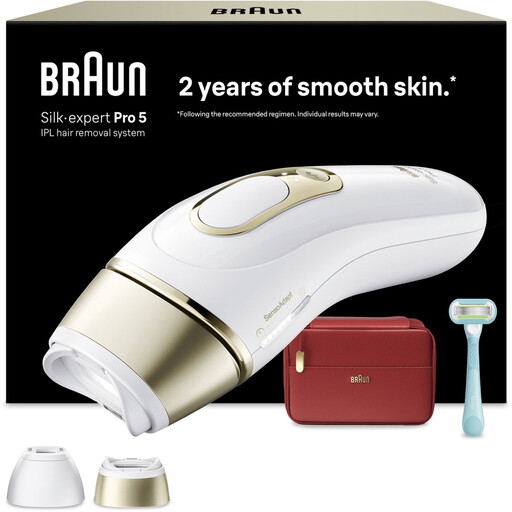
Why it suits this user: This corded model is designed for users who plan to treat their face and body regularly and value automatic skin tone monitoring.
The skin tone sensor and included attachments help you treat different areas. Still, check the instructions for guidance on tattoos, moles and tanned skin.
Three settings; skin contact and skin tone sensors according to the product information; attachments for sensitive areas and the face.
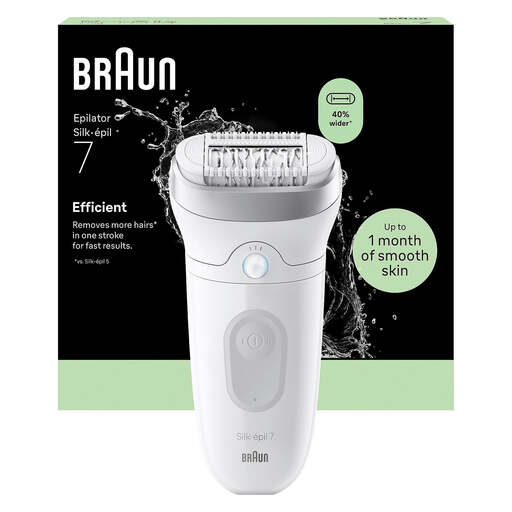
Why it suits this user: A cordless Wet & Dry epilator for anyone who wants to remove hair straight away and use the device in the shower too.
This is clearly an epilator, not an IPL device. So you know what to expect: it pulls out hair, without promising long-term hair reduction through IPL.
Cordless and suitable for wet and dry use; wide head; massage attachment according to the product information.
We’ve put together a complete, up-to-date list of products that meet these strict selection criteria and the applicable European safety requirements.
Usually, yes. Manufacturers generally recommend shaving the area beforehand, so the light isn’t mainly absorbed by visible hairs above the skin. Always follow the preparation instructions in the manual. An epilator works differently and pulls out the hairs, but it isn’t a substitute for IPL if you want to reduce hair growth over the longer term.
It varies by model. Some devices recommend weekly use at the start, while others advise two treatments a month. Don’t use the device more often than instructed. After the initial treatment period, you’ll usually need maintenance treatments to keep up the results.
After buying the device, running costs are generally limited to electricity and any skincare products you may need. However, compare the purchase price, warranty, included attachments and number of flashes. A cheaper device isn’t automatically better value if it isn’t suitable for your skin and hair type or doesn’t fit your treatment routine.
