
Vandaag of morgen in huis

Kwaliteit gegarandeerd

Welkomstaanbiedingen ontgrendelen: GRATIS bezorging | Tot 80% korting | Gratis 30 dagen JoyPlus-proefperiode
Download de app
An IPL hair removal device can help reduce unwanted hair on your body and face over the long term. However, not every device is suitable for every skin tone and hair colour. Marketing claims such as ‘painless’, ‘permanent’ or ‘salon results’ also deserve a closer look.
If you want to try at-home IPL hair removal without salon appointments, it’s worth comparing the technology, safety requirements and running costs first. Below, you’ll find the key points to consider, along with a selection of devices for different types of users.
IPL uses pulses of light that reach the pigment in the hair root. With regular use, hair growth may gradually decrease, according to product information. This doesn’t necessarily mean that all hairs will disappear for good. Hormonal changes and the natural hair growth cycle can lead to new growth.
So think of permanent hair reduction as a possible long-term effect, not a guarantee. Always check the recommended treatment schedule and plan maintenance sessions if the instructions advise them.
IPL generally works by targeting the contrast between skin and hair. Very blonde, red, grey or white hair often contains too little pigment to respond effectively, according to product information. On very dark skin, the light may be less suitable because of the increased risk of skin reactions.
A device with a skin tone sensor can offer extra support, but it doesn’t replace the skin tone chart or safety instructions. Test the device on a small area before your first full treatment.
‘Painless hair removal’ is a strong marketing claim. In practice, you may feel warmth, tingling or a slight stinging sensation. IPL with skin cooling, such as a cooling treatment window, may make treatment more comfortable, but it can’t guarantee a completely sensation-free experience.
Also consider practical details: a corded device needs a power socket, while a cordless model will need recharging. Check whether the device is designed for the face, underarms, bikini line, legs and other body areas.
For IPL hair removal on the body and face, suitable attachments or clear intensity settings are important. A separate facial attachment can help you treat smaller areas more precisely. Check that the instructions allow use on your chosen area. Avoid tattoos, moles, permanent make-up, mucous membranes, and damaged or sunburnt skin.
Multiple intensity levels let you treat sensitive areas more cautiously. On some models, a skin contact sensor prevents a flash from being emitted if the treatment window isn’t positioned correctly.
A skin tone sensor may recommend or automatically adjust the light intensity. This is a useful safety feature, but only use the device on the skin tones specified by the manufacturer.
Treatment time matters when you’re covering larger areas. Product information for some models gives a full-body treatment time of around 10 to 20 minutes, but the actual duration depends on the area being treated, the intensity setting and your experience.
Also check:
An IPL device is not a substitute for medical advice. If you have concerns about a skin condition, medication, pregnancy or breastfeeding, check the instructions and, if necessary, ask a doctor for advice.
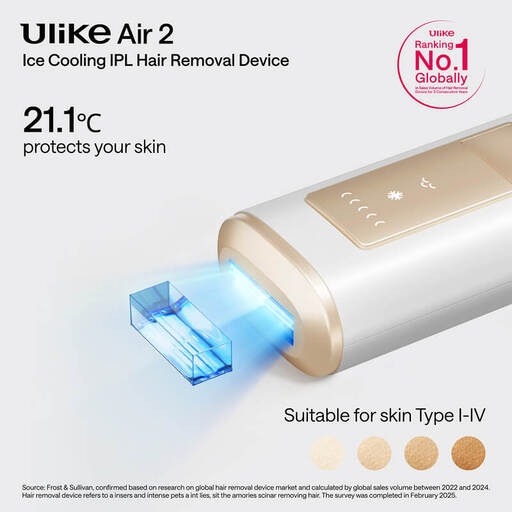
Why it suits this profile: With five intensity settings and a corded design, this model is easy to get to grips with if you’re new to IPL hair removal on the body and face.
The built-in cooling technology is designed to reduce heat and discomfort during flashes. According to the product information, no extra attachments are needed for different areas.
Sapphire Ice Cooling, according to the manufacturer, five settings and a stated session time of around 20 minutes for the whole body.
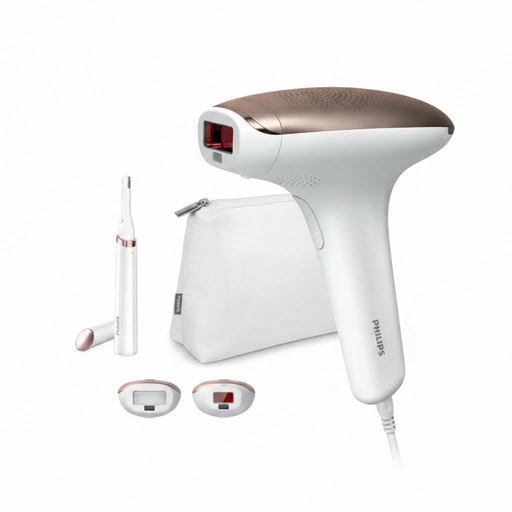
Why it suits this profile: This model combines IPL for the body and face with two attachments and a compact trimmer for preparing the skin.
The instructions recommend a skin test 24 to 48 hours before use and clearly explain restrictions for skin types, tattoos and certain skin conditions.
Two attachments, a Satin Compact precision trimmer and, according to independent research by Philips, at least 85% hair reduction after three treatments.
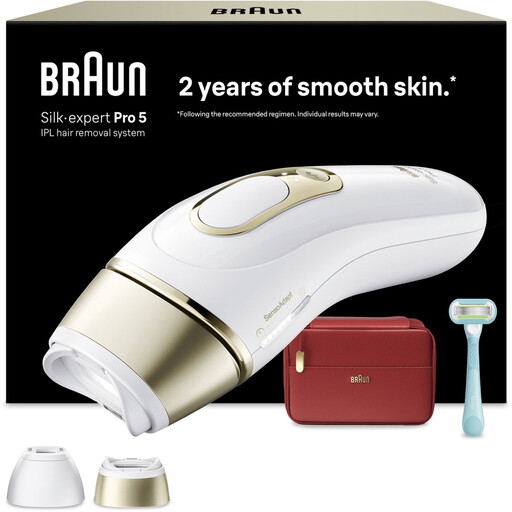
Why it suits this profile: The included attachments and skin tone sensor make this a good fit for users who want to treat several body areas to a regular schedule.
According to the product description, the sensor reads your skin tone and adjusts the flash. You’re still responsible for following the checks and instructions in the manual.
Three settings, a stated lifespan of 400.000 flashes and accessories for sensitive areas, the face and the body.
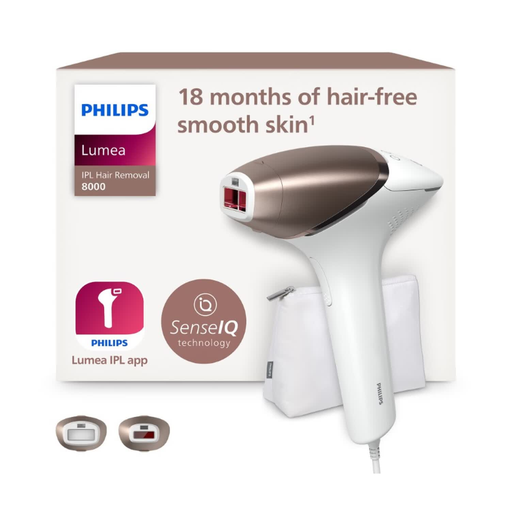
Why it suits this profile: This corded model is designed for users who like following a regular schedule and having support from an app.
The product information mentions a skin tone sensor and restrictions for very dark hair, light hair colours and certain skin conditions.
Up to 92% hair reduction after three treatments, according to independent research by Philips; the lamp is rated for up to 450.000 flashes according to the specifications.
We’ve put together a complete, up-to-date list of products that meet these strict selection criteria and the current European safety requirements.
Always follow the instructions for your chosen model. In practice, a treatment usually involves these steps:
Don’t use IPL on irritated, damaged, recently tanned or sunburnt skin. Stop if you experience severe pain, blistering or persistent redness, and seek medical advice.
An at-home IPL device uses broad pulses of light, while professional laser hair removal uses a different light source. According to manufacturers’ information, IPL can be a laser hair removal alternative for home use, but results, treatment frequency and suitability vary from person to person. Neither method should automatically be presented as completely permanent.
Its lifespan depends on the number of flashes, build quality and how you use it. Some models, for example, are rated for 400.000 or 450.000 flashes. This is a product specification, not a guarantee of a particular lifespan. Store the device in a dry place, clean the treatment window and follow the maintenance instructions.
After buying the device, you’ll generally avoid salon appointments, but you should still factor in electricity use, possible replacement costs and maintenance. So compare more than just the purchase price: consider lamp capacity, treatment frequency, accessories and warranty terms.
