
Vandaag of morgen in huis

Kwaliteit gegarandeerd

Welkomstaanbiedingen ontgrendelen: GRATIS bezorging | Tot 80% korting | Gratis 30 dagen JoyPlus-proefperiode
Download de app
Would you like to spend less time shaving, waxing or booking salon appointments? An IPL hair removal device can be a practical choice for reducing hair over the long term at home. However, many models look similar, even though they can differ considerably in suitability, treatment schedules, comfort and accessories.
Marketing claims such as “permanent hair removal”, “painless hair removal” and “salon results” deserve a closer look. IPL is not the same as laser hair removal: an IPL device uses broad pulses of light, while a laser uses a focused beam. Results vary depending on your skin tone, hair colour, treatment area and how consistently you use the device.
A high flash count sounds appealing, but it doesn’t tell you everything about how easy a device is to use. Also check whether it’s suitable for your skin and hair type, how long each treatment takes, and whether the cord or battery suits your routine.
For example, according to its product description, a Philips Lumea IPL model can deliver up to 450,000 flashes. This is a verifiable specification, but it doesn’t guarantee a particular result for you.
IPL can feel warm, tingly or slightly uncomfortable. A device with skin cooling, such as the Ulike Air 2, may be worth considering if comfort is important to you. According to Ulike, its Sapphire Ice Cooling technology is designed to cool the skin during treatment. However, the experience can vary from person to person and depending on the intensity level used.
IPL generally works by using the contrast between pigment in the hair and the skin. According to the product information for several models, white, grey, light blonde and red hair may not be suitable. Use may also be discouraged on very dark skin tones.
Always read the skin tone chart and contraindications in the instructions before buying. Don’t use an IPL hair removal device on tattoos, dark moles, irritated or sunburnt skin. Also avoid using it around the eyes, on mucous membranes or on any other areas excluded by the manufacturer.
A skin tone sensor measures the skin on some models and helps select the light intensity. According to its product information, the Braun IPL PL5221 has a sensor that automatically adjusts the flash intensity. This can make the device easier to set up, but you still need to follow the instructions and carry out a skin test first.
Also check how many settings the device has. A range of intensity levels gives you more flexibility to start gently on sensitive areas.
An IPL device for the body and face isn’t automatically suitable for every part of the body. Check whether it comes with separate attachments for the face, body or sensitive areas. A curved attachment can be useful for knees and underarms, while a smaller treatment window gives you more control on the face.
According to the product specifications, the Philips Lumea 8000 Series BRI945/00 comes with two attachments for the body and face. It’s corded, and its product description recommends a treatment schedule of twice a month.
A cordless model gives you more freedom of movement, but needs to be charged. A corded model provides a constant power supply during your session, but you’ll need a nearby socket. Check the cleaning instructions too: IPL devices usually shouldn’t be submerged unless the manufacturer specifically says they’re waterproof.
IPL with skin cooling can make treatment more comfortable. It won’t necessarily prevent every skin reaction and doesn’t replace a skin test. Stop if you experience severe pain, blistering or persistent redness, and consult a doctor if you’re unsure.
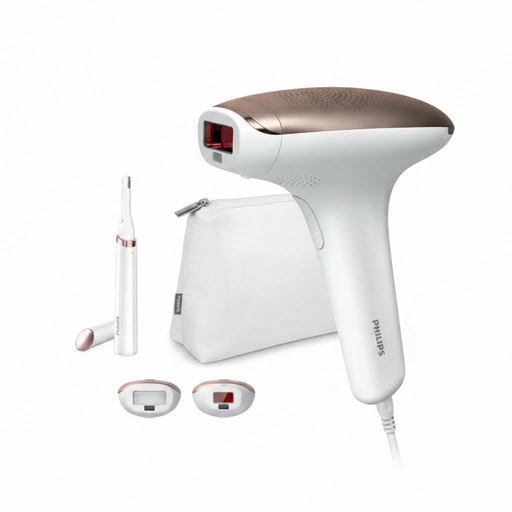
Why it suits this profile: A straightforward model for anyone looking to try IPL hair removal at home, with attachments for the body and face and a precision trimmer included.
The product information recommends a skin test beforehand and lists two attachments and a clear schedule of two treatments per month. Check the skin tone requirements in the instructions yourself.
Two attachments, corded operation and a Satin Compact precision trimmer.
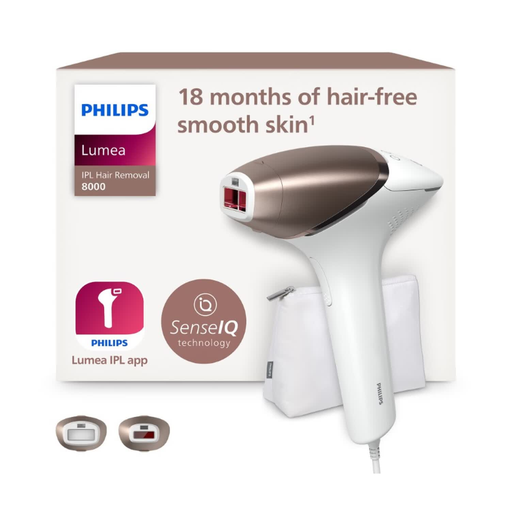
Why it suits this profile: A good fit for users who want to treat their body and face with one device and value guidance through an app.
The specifications list SenseIQ, two attachments and a long cord. The app can help you plan treatments, but it doesn’t replace reading the safety instructions.
450,000 stated flashes, SenseIQ technology and an app to guide your treatments.
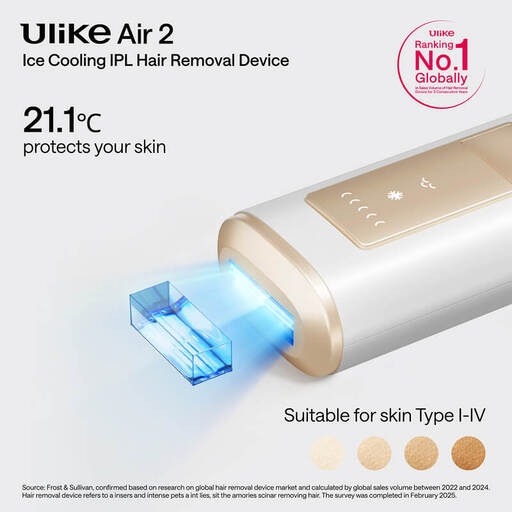
Why it suits this profile: Designed for women and men who want to treat their whole body and value cooling during frequent sessions.
The integrated cooling feature addresses comfort concerns. “Virtually painless” remains a brand claim, not a personal guarantee.
Ice Cooling, five intensity settings and a corded design for a constant power supply.
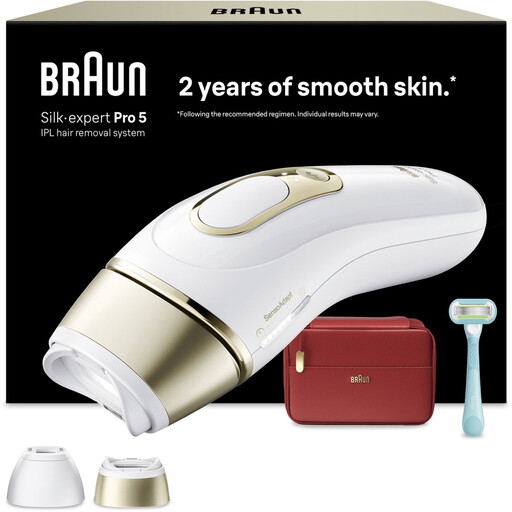
Why it suits this profile: A good choice if you’re looking for a model with sensor assistance, multiple attachments and a regular treatment routine.
The skin contact sensor and three settings help reduce guesswork. The device isn’t waterproof, so don’t use it in the bath or shower.
400,000 stated flashes, a skin contact sensor and attachments for the face and sensitive areas.
We’ve put together a complete, up-to-date list of products that meet these strict selection criteria and current European safety requirements.
No. Suitability depends on your skin tone, hair colour and treatment area. Check the manufacturer’s skin tone chart. If you’re unsure, have a skin condition, take medication or are receiving medical treatment, it’s best to seek professional advice first.
Shave the area as instructed, make sure your skin is clean and dry, and remove any cream, oil or deodorant. Carry out a skin test before your first full treatment. Then follow the recommended schedule and don’t treat any area more often or for longer than instructed.
That depends on the flash count, how often you use it and how well you maintain it. A model with 400,000 or 450,000 stated flashes may last a long time with home use, but this doesn’t mean the device will work indefinitely. Store it somewhere dry, clean the treatment window carefully and regularly check the cord, casing and accessories.
