
Vandaag of morgen in huis

Kwaliteit gegarandeerd

Welkomstaanbiedingen ontgrendelen: GRATIS bezorging | Tot 80% korting | Gratis 30 dagen JoyPlus-proefperiode
Download de app
A broken or lost iPhone charging cable is a common problem. However, the search for a replacement can be unnecessarily complicated. The market is flooded with options that promise the world but don't always deliver. As a Joybuy Product Recommendation Officer, I'm here to help you make the right choices based on facts, so you can buy a cable that simply works and is built to last.
Before you make a purchase, it's important to recognise the most common pitfalls that lead to a bad buy.
To avoid these issues, focus on three key specifications. These will determine if a Lightning cable is right for your needs.
The most important choice is the type of connector on the other end of the Lightning plug.
Therefore, always check which port your power adapter or computer has before choosing a cable.
The standard 1-meter length is fine for your bedside or desk. But for more flexibility—for instance, on the sofa or in a hotel room with awkwardly placed outlets—a 2-meter charging cable is a practical upgrade.
Also, consider the material. Standard plastic cables are prone to fraying near the connector. Braided nylon cables often offer better protection against wear and tear and therefore tend to last longer.
MFi stands for "Made for iPhone/iPad/iPod." This is a licensing program from Apple. An MFi-certified cable contains a small chip that guarantees the cable is safe and compatible with your Apple devices, even after future software updates. An original Apple cable is always MFi-certified. For third-party cables, it's an important seal of approval to look for to avoid the "unsupported accessory" error.
Not everyone needs the same cable. Here are a few options, tailored to specific situations.
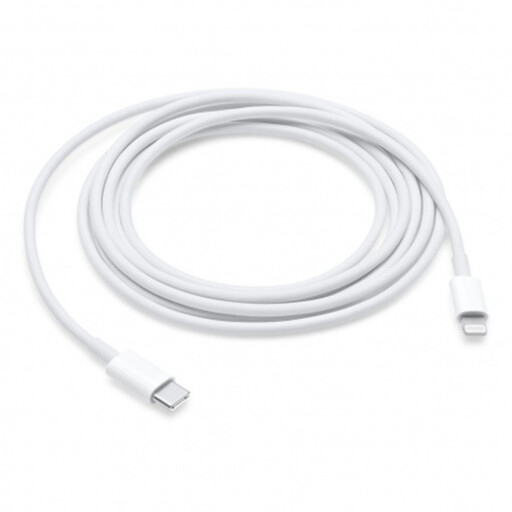
Why This Fits Their Persona: Ideal for those who want to use their iPhone or iPad while it's charging, without being tethered to the wall outlet. Perfect for the couch, in bed, or at a desk far from a power source.
As an official Apple product, compatibility is guaranteed (avoiding the "unsupported" trap). The USB-C connector enables fast charging, thus bypassing the false fast-charging promise.
The 2-meter charging cable length offers maximum freedom of movement. Supports fast charging with a compatible USB-C adapter.
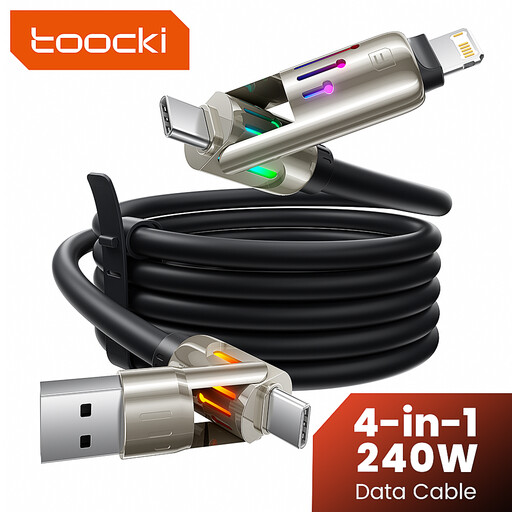
Why This Fits Their Persona: For those who travel with multiple devices (iPhone, MacBook, power bank, Android device) and don't want to carry a bag full of cables. One cable for almost any charging situation.
This product tackles a different pitfall: bringing the wrong cable. With its 4-in-1 functionality (USB-A/C to USB-C/Lightning), you always have the right connector on hand.
Extreme versatility in a single product. The 6.6ft length (approximately 2 meters) is also a major plus for on-the-go use.
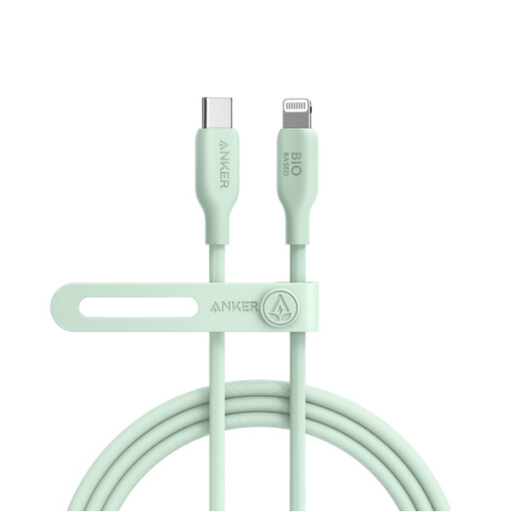
Why This Fits Their Persona: For the user who is tired of cables that break after a few months. Anker is known for its robust build quality, and this cable is a prime example.
It directly addresses the fragile connector pitfall. According to the manufacturer, the exterior is made from bio-based materials, focusing on durability and a longer lifespan.
Focus on durability and a sturdy construction. Supports up to 30W charging, which is suitable for fast-charging an iPhone and iPad.
We have compiled a complete, up-to-date list of products that fully meet these strict selection criteria and relevant safety regulations.
This is usually due to the lack of MFi certification. Apple builds a verification mechanism into iOS. If the software detects that the cable does not have an official MFi chip, it can block its functionality to protect your device from potential damage. This often happens after a software update.
Yes, you can generally use any USB-C charger with a USB-C to Lightning cable. However, the charging speed is determined by the power (wattage) of the charger. To fast-charge a recent iPhone, you'll need an 18W adapter or higher. A 5W USB-C charger will charge your phone much more slowly.
The lifespan depends heavily on usage. With careful handling, a cable can last for years. The most common cause of damage is pulling on the cable itself instead of the connector, and tightly coiling or kinking the cable. Treat your cable with care to maximise its lifespan.
