
Vandaag of morgen in huis

Kwaliteit gegarandeerd

Welkomstaanbiedingen ontgrendelen: GRATIS bezorging | Tot 80% korting | Gratis 30 dagen JoyPlus-proefperiode
Download de app
You've just acquired a new iPhone 17, a significant investment you want to protect. Beyond shielding it from scratches and drops, you also want to safeguard your privacy on the train, at the office, or in a café. An iPhone 17 privacy screen protector seems like the logical solution. But the market is flooded with options that overpromise and underdeliver. Before you spend your money, it's wise to understand the common pitfalls.
Many users make a choice based on marketing claims and end up with a product that doesn't work. These are the three most common problems:
anti-snooping film is useless if the person next to you on the train can still read your messages. Some budget-friendly versions only obscure the screen from an extremely sharp angle, offering you little to no privacy in practice.case-friendly). A poor fit or a complicated bubble-free installation process makes a screen protector instantly unusable.To avoid buyer's remorse, there are a few technical specifications you need to check. These determine the quality and usability of an anti-spy screen protector.
A good screen protector is made from tempered glass. This material offers far superior scratch protection and has a much better feel than plastic film. The 9H hardness rating is an industry standard for scratch resistance. It means the glass can withstand scratches from everyday objects like keys and coins. Note, this does not guarantee protection against hard drops. However, quality tempered glass is designed to break upon a severe impact, absorbing the energy and often leaving your iPhone 17's original screen intact.
The core function of a privacy screen protector is to limit the viewing angle. An effective protector makes the screen unreadable to anyone not sitting directly in front of the phone, typically from an angle of about 30 degrees. There is a trade-off: an overly aggressive privacy filter can also make the screen darker for you, affecting brightness and colour accuracy. Look for a model that offers a good balance between privacy and a clear display for the user.
A perfect bubble-free installation is crucial. Many protectors now come with an installation frame or applicator. You snap this guide over your phone, which perfectly aligns the screen protector. This minimises the risk of misalignment and air bubbles. Additionally, check if the protector is case-friendly. This means a minimal gap is left around the perimeter, so the edges of your phone case won't push the protector up.
Not every user has the same needs. Below are some options tailored to different user profiles, based on their specifications.
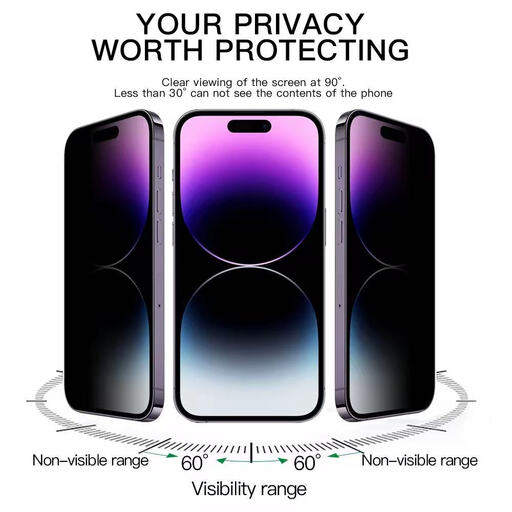
Why This Fits Their Persona: Ideal for those who frequently use public transport or work in co-working spaces. This protector is designed to block viewing from multiple angles, not just from the left and right.
According to the manufacturer VoxorAI, this model offers 360-degree privacy protection, which addresses the pitfall of an ineffective viewing angle. The screen darkens from any oblique angle.
The specifications mention automatic adsorption for easy installation and an oleophobic coating to reduce fingerprints and smudges.
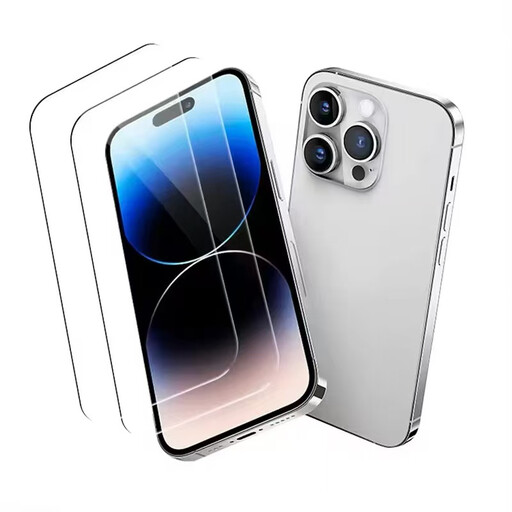
Why This Fits Their Persona: For the iPhone 17 Pro Max owner who wants to make no compromises. This model is specifically designed for the largest screen, with a focus on clarity and touch sensitivity.
The product description emphasizes high light transmittance to preserve the original image quality, tackling the pitfall of an overly dim screen.
Made from 9H tempered glass for scratch resistance and is compatible with most cases (case-friendly). Comes with an applicator for installation.
Why This Fits Their Persona: A no-nonsense solution for the standard iPhone 17. It offers the essential combination of scratch protection and privacy without complex extras.
This model comes with an applicator, which helps prevent the pitfall of a difficult, misaligned installation plagued by air bubbles.
Combines the key features: 9H tempered glass, a privacy filter, and a design that is compatible with most phone cases.
We have compiled a complete, up-to-date list of products that meet these selection criteria and comply with current regulations.
Yes, an anti-snooping film will always make your screen slightly dimmer, even when you're looking at it directly. This is due to the microlouver technology that directs light in a specific direction. With quality protectors, this effect is minimal, and you can often compensate by slightly increasing your screen's brightness.
The lifespan depends entirely on usage. A 9H tempered glass screen protector is highly scratch-resistant and can last for months or even years if you handle your phone with care. In the event of a hard drop, the protector may crack. This is by design: it absorbs the impact to protect your actual screen. Once it's cracked, it's advisable to replace it.
Yes, this is quite manageable nowadays. Most protectors come with a cleaning kit (alcohol and dry wipes) and a dust remover. Models that include an installation frame make the process even simpler. The key to a bubble-free installation is ensuring the screen is completely dust-free before you apply the protector.
