
Vandaag of morgen in huis

Kwaliteit gegarandeerd

Welkomstaanbiedingen ontgrendelen: GRATIS bezorging | Tot 80% korting | Gratis 30 dagen JoyPlus-proefperiode
Download de app
Congratulations on your new iPhone 16. Whether you've chosen the standard model, the Pro, or the Pro Max, you're holding a sophisticated piece of technology. Its bright, vibrant display is one of its key features, so it's only natural that you'll want to protect your iPhone 16 screen from the inevitable daily scratches, bumps, and fingerprints.
The screen protector market can be overwhelming. Terms like 9H hardness, tempered glass, and privacy filters are thrown around constantly. As a Joybuy Product Recommendation Officer, I'm here to help you make the right choice. In this article, we'll explain what to look for and highlight some popular choices for the iPhone 16 series.
Before we dive into the products, it's helpful to understand which features matter most. This will enable you to make an informed decision that suits your needs.
Most high-quality screen protectors are made from iPhone 16 tempered glass. This type of glass is thermally or chemically treated to make it stronger than regular glass. It offers a clear view and feels just like your phone's original screen.
A key specification is the hardness rating, often indicated as 9H glass protection. This refers to the pencil hardness scale, where 9H is the highest value. In practice, this means the screen protector is highly resistant to scratches from everyday objects like keys and coins in your pocket or bag. A good anti-scratch iPhone 16 solution, therefore, starts with 9H tempered glass.
Anyone who has ever tried to apply a screen protector knows the frustration of air bubbles and misalignment. A screen protector with an applicator solves this problem. This is a plastic frame that you snap onto your iPhone. You then place the screen protector inside it, ensuring it lands perfectly aligned on the screen. The result is a clean, bubble-free installation, even if you've never done it before.
Beyond basic protection, some screen protectors offer additional functionalities. The most popular is the iPhone 16 privacy screen protector. This has a special coating that narrows the viewing angle, allowing only the person directly in front of the screen to read the content. It's ideal for public transport or in the office, where you don't want others snooping on your messages or emails. Keep in mind that this can make the screen appear slightly dimmer. If maximum brightness and colour accuracy are important to you, for example for photo editing or gaming, an ultra-clear variant is a better choice.
Based on the criteria above, we have selected a few options for you. These products cater to different needs and iPhone 16 models.
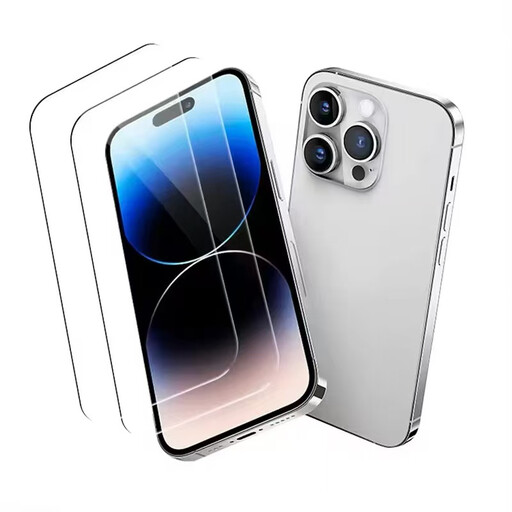
Why it stands out: This is a solid all-rounder for the standard iPhone 16. It combines key protective features with a simple installation process.
Key Features:
Who is it for? For the standard iPhone 16 owner looking for reliable, clear, and scratch-resistant protection for daily use.
Why it stands out: This iPhone 16 Pro Max screen protector is specifically designed for the largest model in the series, offering the same reliable protection and ease of installation.
Key Features:
Who is it for? For users of the iPhone 16 Pro Max who want to protect the large, expensive screen without compromising on clarity or usability.
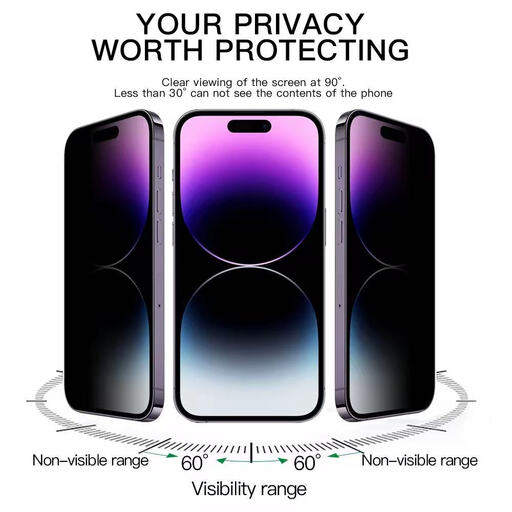
Why it stands out: This iPhone 16 Pro screen protector combines scratch protection with a privacy filter, making it a popular choice for professionals and commuters.
Key Features:
Who is it for? For the iPhone 16 Pro user who is often on the go, works in public spaces, or simply values their digital privacy.
The right screen protector is a personal choice. You might be looking for a matte finish, an ultra-thin version, or a model for a different phone. If your ideal match isn't listed here, no problem.
Check out our full range in the Cell Phone Film category and find the perfect protection for your device and lifestyle.
1. Is a screen protector really necessary for an iPhone 16? Although the iPhone's glass is becoming increasingly durable, it is not completely scratch-proof. Micro-scratches, in particular, caused by sand or dust in your pocket, are inevitable over time. A tempered glass screen protector absorbs this damage. Replacing a screen protector is significantly cheaper than a screen repair.
2. What is the difference between a regular and a privacy screen protector? A regular, clear screen protector is designed for maximum transparency and protection against scratches. A privacy screen protector does this as well but has an extra layer that limits the viewing angle. This prevents people next to you from reading your screen. The downside is that the screen may appear slightly dimmer and the colours less vibrant.
3. How do I apply a screen protector without air bubbles? The key is a dust-free environment and proper preparation. Thoroughly clean the screen with the included alcohol wipe and microfiber cloth. Use the dust removal sticker to remove any last dust particles. A model with an applicator frame makes alignment much easier. Gently place the protector on the screen and let it adhere on its own. You can usually push any small air bubbles out towards the edges.
