
Clip checker
You replay short interview clips to check Dutch words and speaker changes. Sony and Audio-Technica position the wired models mentioned for recording and monitoring; assess speech clarity and whether the connection suits your own device.


If you regularly listen to short interview clips in one place, start with a comfortable, closed-back wired pair of headphones with a connection that suits your device. If you prepare in a noisy environment or switch between devices, compare wireless over-ear models with active noise cancelling. Try them out for clarity and fit, as noise cancelling won’t automatically make an unclear voice on a recording easier to understand.
You replay short interview clips to check Dutch words and speaker changes. Sony and Audio-Technica position the wired models mentioned for recording and monitoring; assess speech clarity and whether the connection suits your own device.
You listen while background noise distracts you and want to know whether the fit and isolation help where you listen. VeiligheidNL explains that a good fit can reduce sound leakage; try the headphones on and see how they sound for yourself.
You work through longer interviews and want the ear cups to stay comfortable. According to the Consumentenbond, over-ear models are often comfortable during long listening sessions, but fit varies from person to person.
Start with the clip you want to check and where you’ll be listening. Then choose between a direct wired connection and wireless features for dealing with background noise or switching devices.
| What to consider | What to look for when buying | Who is this important for? |
|---|---|---|
| Hearing quiet speech again | Try a challenging clip at a comfortable volume; check the audio output and whether you need an adapter. | If I need to check quiet Dutch words or changes of speaker, I want to be able to replay passages and use a suitable connection. Around 36% of consumers put checking speech first. |
| Background noise | Compare fit and isolation where you listen; assess the recording separately from the ANC feature. | When noise around me is distracting, I want to listen without constantly turning up the volume. Around 29% of consumers give peace and quiet the highest priority. |
| Comfort | Try the fit with your glasses or hairstyle, and check for pressure from the headband and ear cushions. | During long listening sessions, I want the headphones to stay comfortable while I pause and replay clips. Around 21% of consumers prioritise long-lasting comfort. |
| Switching devices and staying connected | Check multipoint compatibility with your devices, pause controls and any ambient mode; compare battery life with ANC on. | Just before a rehearsal, I want to switch between devices or hear when someone speaks to me. Around 14% of consumers make these features their top buying priority. |
ANC targets noise around you; it won’t automatically make a quiet or unclear voice on a recording easier to understand.
Before deciding, listen to a representative challenging clip and assess speech clarity and noise reduction separately.
Sony quotes up to 50 hours for the WH-CH720N with noise cancelling off and 35 hours with it on. JBL quotes up to 70 hours for the Tune 770NC with Bluetooth on and ANC off, compared with up to 44 hours with ANC on. These are manufacturer figures for different settings.
Only compare quoted battery life when the settings match, and don’t treat it as guaranteed battery life.
According to the manufacturer, the beyerdynamic DT 770 PRO is available in 32, 80 and 250 ohm versions. The plug also needs to match the audio output on your playback device.
Check the full version name, plug and output on your own device before choosing a model.
Sony offers a wired option here for listening in one place, as well as a wireless noise-cancelling model to compare.
The ATH-M40x is a closed-back wired monitoring headphone to compare for repeated listening in one place.
The Tune 770NC is a wireless model to compare if you’re considering noise cancelling, switching devices and ambient sound modes.
The closed-back DT 770 PRO is a wired studio option to compare if replaceable ear cushions and the exact version matter to you.
This selection includes wireless headphones for listening back to interview clips. Check which features for handling background noise, switching devices and wired listening are available on each model.
 No image available
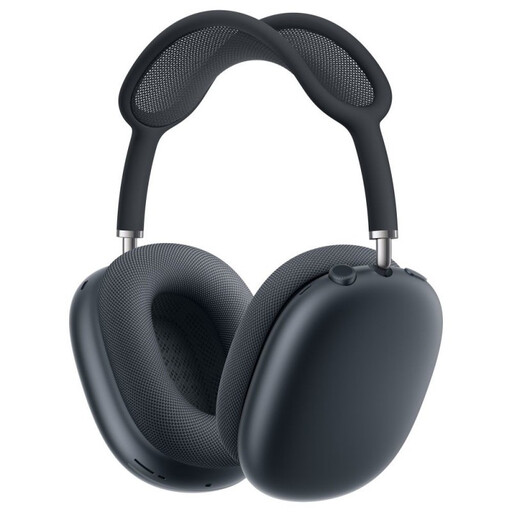
An option to compare if you want to switch between noise reduction and hearing the sounds around you while listening.
The product details list active noise cancelling, Transparency and Conversation Awareness.
 No image available
A good fit if you want to listen wirelessly but also want to consider a wired option.
The product details list Bluetooth, ANC, Transparency Mode and a 3.5 mm audio cable for passive listening without battery power.
 No image available
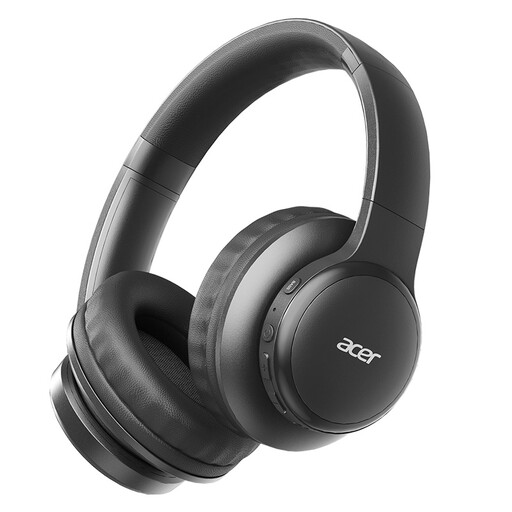
A model to compare if you want to listen wirelessly and be able to fold your headphones away.
The product name lists Bluetooth 5.3 and a foldable design.
 No image available
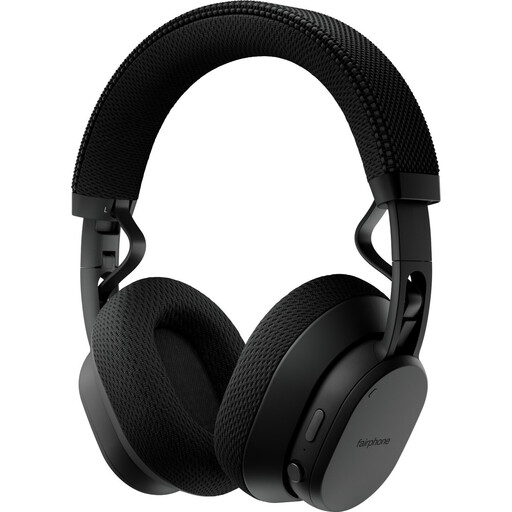
A good fit if you’re considering switching between devices and listening while staying aware of surrounding sounds.
The product specifications list a closed-back over-ear design, Hybrid ANC, Ambient Sound and multipoint.
 No image available
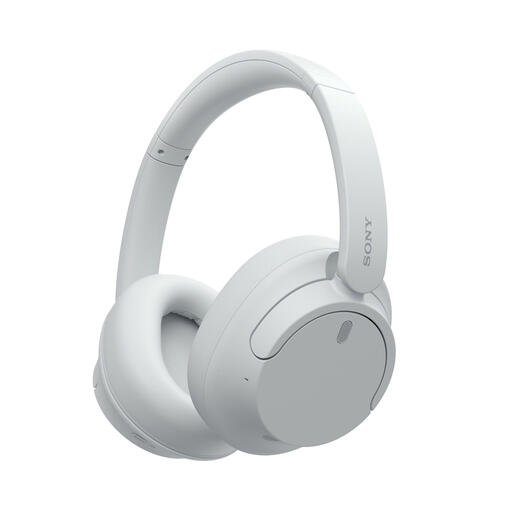
An option to compare if you want to listen wirelessly and connect to two devices.
Sony lists Bluetooth, multipoint and up to 35 hours with noise cancelling on; this is a manufacturer figure.
Not on its own. ANC reduces noise around you; also play one of your own interview clips to check whether the recorded words are clear at a comfortable volume.
Check which audio output your device has and which plug comes with the version you’ve chosen. According to Audio-Technica, the ATH-M40x has a 3.5 mm plug; don’t assume you can connect it directly if your device doesn’t have that input.
Choose a good fit and keep the volume at a sensible level. VeiligheidNL explains that a good fit can reduce sound leakage, so you’re less likely to need to turn the volume up to drown out background noise. Don’t turn the sound up to compensate for unclear words in the original recording.
ACM ConsuWijzer says that the statutory cooling-off period for online purchases ends 14 days after the product has been delivered; exceptions may apply. If a product develops a fault sooner during normal use, the seller must put it right free of charge, according to ACM ConsuWijzer. This isn’t the same as a fixed two-year warranty period.