
Careful listener
You pause and replay speech to check the wording. So, listen to speech in a recording of your own too, and consider how easy it is to pause and resume playback. Consumentenbond includes speech clips in its listening tests.


For repeatedly listening back to interviews, wired earbuds are convenient if your device supports the connection and you’d rather not use a charging case. Wireless in-ear headphones are a better fit if freedom of movement and less background noise at your workstation matter to you. Choose a comfortable fit and check how speech sounds in a recording of your own: noise cancellation reduces the sounds around you, but it won’t automatically make unclear words in the recording easier to understand. For wireless earbuds, compare listening time per charge, not just the total time including the case.
You pause and replay speech to check the wording. So, listen to speech in a recording of your own too, and consider how easy it is to pause and resume playback. Consumentenbond includes speech clips in its listening tests.
You sometimes listen somewhere where conversations or other background noise can be distracting. A well-sealing in-ear fit or noise cancellation may help, as long as the earbuds feel comfortable to you.
You want to carry as little equipment as possible and may want to switch between devices. Check that the connection or Bluetooth pairing works with your playback device, and look at listening time per charge for wireless models.
| What to consider | What should you check? | Who should give this more weight? |
|---|---|---|
| Listening back to speech | Assess speech using a representative clip; Consumentenbond uses speech clips in its listening tests. | If I want to check precise words and nuances, I want to hear how my own recording sounds. Around 33% of consumers prioritise checking speech. |
| Noise at your workstation | Check how well the earbuds fit and whether noise cancellation suits the sounds where you’ll be listening. | When conversations around me distract me, I want to reduce that distraction without expecting the recording itself to be made clearer. Around 27% of consumers prioritise blocking out noise. |
| Comfort | Consider the design and fit. Comfort varies from ear to ear and can’t be judged from a manufacturer’s claim. | If I listen to the same clips repeatedly, I want earbuds that feel comfortable to wear. Around 20% of consumers prioritise comfort. |
| Connection and power | Check compatibility with your device. For wireless models, compare listening time per charge with the total time including the case. | For a compact setup, I want a reliable connection and as few charging interruptions as possible. Around 20% of consumers start with connection and power. |
You can’t use earbuds while they’re charging in the case. So, total battery life including the case doesn’t tell you how long you can wear them on a single charge.
Compare the stated battery life per charge, and check whether it applies with noise cancellation on or off.
Active noise cancellation is designed to reduce the sounds around you. It won’t correct words that are unclear in the interview recording.
Choose this feature to suit your listening environment, and assess difficult passages using a representative clip from the recording.
A USB-C connector doesn’t guarantee that every device supports audio through that connection. And earbuds can feel different in each ear.
Check compatibility with your playback device and review the product’s returns policy before use.
The WF-C710N is a wireless model to consider if you want to compare active noise cancellation and multipoint connectivity.
EarPods (USB‑C) are a wired option if your device supports the connection and you want to avoid charging.
Tune Beam 2 is a wireless in-ear model to consider if you’re looking for noise cancellation, ambient mode and multipoint connectivity.
Liberty 4 NC is a wireless model with an adjustable equaliser and multipoint connectivity, for anyone who wants to compare settings for themselves.
Galaxy Buds3 FE is a model to consider if you want to check how well it works with your own Galaxy device.
This selection includes wired USB-C earbuds and wireless in-ear headphones for repeatedly listening back to interviews. For wired models, check whether your device supports USB-C audio.
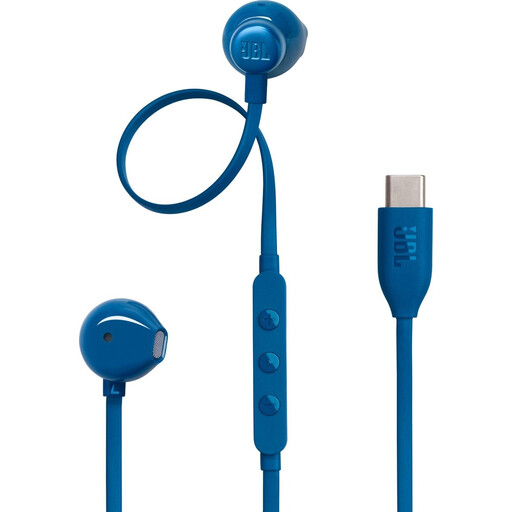 No image available
A wired option if you want to use the cable controls to adjust playback and volume.
USB-C connection; check that your device supports USB-C audio. The cable has three-button controls and EQ presets, including Vocal.
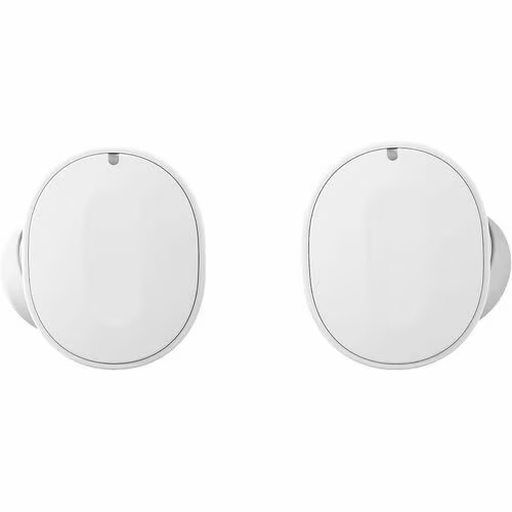 No image available
A wireless in-ear option if you want freedom of movement and active noise cancellation while listening.
The product information lists multipoint connectivity and replaceable batteries in both the earbuds and the case. Stated playback time per charge is up to 8 hours with noise cancellation off.
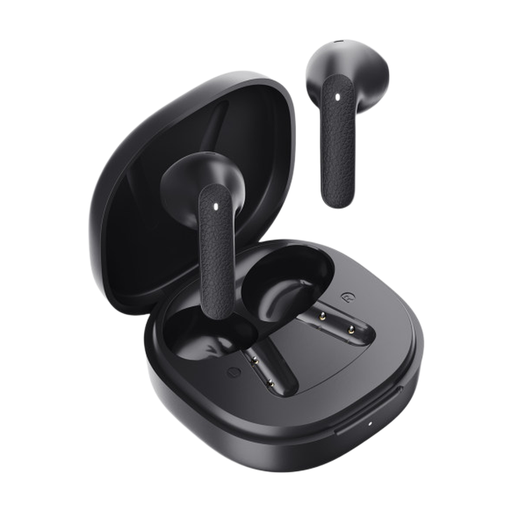 No image available
A wireless option for a portable setup; check that it connects to your playback device.
Stated battery life is 7 hours per charge and 35 hours including the case. Charging is via USB-C.
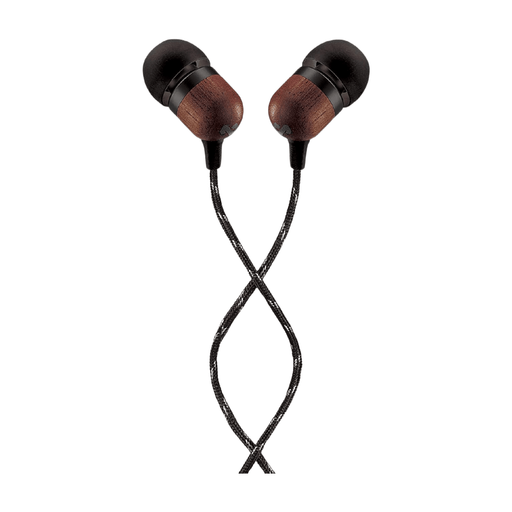 No image available
A wired in-ear option if you don’t want to carry a charging case for your earbuds.
USB-C connection, in-line controls and a built-in microphone. Check that your playback device supports audio over USB-C.
 No image available
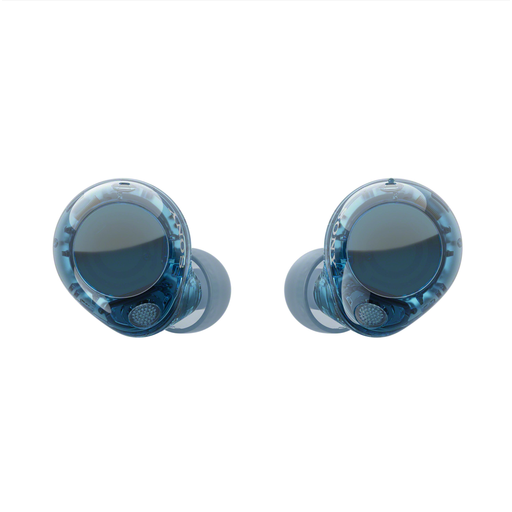
A wireless model to consider if you want to combine noise cancellation with switching between devices.
Sony states up to 8.5 hours per charge with noise cancellation on, or up to 12 hours with it off, as well as multipoint connectivity. These are stated figures, not test results using interview recordings.
No. Active noise cancellation is designed to reduce the sounds around you, not to repair the recorded audio file. Listen to the recording itself to assess difficult passages.
Before a long listening session, check that the connection or Bluetooth pairing works with your playback device. For EarPods (USB‑C), Apple specifies certain device and system requirements; for wireless models, compare listening time per charge.
Keep the volume low and take regular breaks. The World Health Organization gives an average of 80 dB for up to 40 hours per week as an example; at higher sound levels, safe listening time is shorter. This is health advice, not a Dutch legal limit for a review session.
If a product develops a fault sooner than you could reasonably expect during normal use, ACM ConsuWijzer says the seller is responsible for providing an appropriate solution free of charge. The statutory guarantee does not have a fixed two-year term.
Online purchases often come with a statutory 14-day cooling-off period after delivery. ACM ConsuWijzer notes an exception for hygiene products that have been removed from their packaging. Before use, check with the seller whether this exception applies to the packaging and handling of your earbuds.