
Vandaag of morgen in huis

Kwaliteit gegarandeerd

Welkomstaanbiedingen ontgrendelen: GRATIS bezorging | Tot 80% korting | Gratis 30 dagen JoyPlus-proefperiode
Download de app
Would you like to buy international beer for a barbecue, dinner, party or hospitality business? You will quickly find a wide range of foreign beers, from Japanese and Asian beer to Polish and Vietnamese beer. However, a familiar brand name or the term “premium lager” does not tell you everything you need to know before buying.
The most common mistakes come down to three simple oversights:
Always check the current product page and the label. The information on the packaging takes precedence for details such as alcohol content, allergens, best-before date and storage.
Start by checking the country of origin and the type of beer. A Japanese beer such as Kirin, Sapporo or Asahi is generally a lager, while a Polish beer such as Tyskie or Zywiec may have a different balance of malt and hops. Thai beer includes brands such as Singha, LEO and Chang. Saigon Special is an example of Vietnamese beer.
Also pay attention to the ingredients. Many products contain water, barley malt, hops and yeast. Some lagers also use rice, maize or glucose syrup. If you need to avoid gluten, take extra care: barley and other gluten-containing cereals must be listed as allergens. If in doubt, always check the label.
The term premium lager does not automatically describe an objective level of quality. Assess the product using verifiable information such as its ingredients, alcohol content, packaging and origin.
The alcohol content partly determines which packaging is most suitable for your situation. For a dinner, a 330 ml beer bottle can be convenient as an individual serving. For a large group, 50 cl beer bottles or cans are more efficient because you need fewer packages.
Examples from the range:
These percentages are product specifications, not an indication that one beer is better or worse than another. Only serve alcohol to people aged 18 and over, and do not drink if you still need to drive.
A tray or crate is only good value if the number of bottles and the volume suit your needs. Calculate the total volume:
Also consider whether the product comes in bottles or cans, the risk of breakage, available storage space and the best-before information. Store beer according to the product instructions in a cool, dry place, away from direct sunlight and significant temperature fluctuations. When your order arrives, check that the seal and packaging are undamaged.
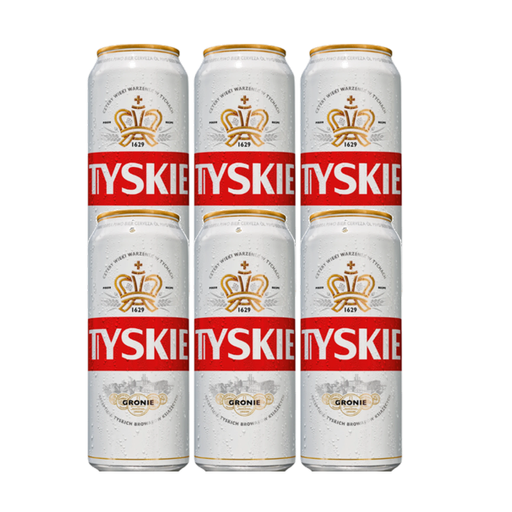
Why it suits this profile: A pack of six bottles is a manageable choice if you want to try Polish beer without immediately buying a large crate. According to the product information, Tyskie contains 5.6% alcohol.
The six-pack makes the volume and price clear in advance. The product information also lists barley malt and the gluten allergen present.
6 bottles of 50 cl; clear ingredients list; suitable for discovering Polish beer.
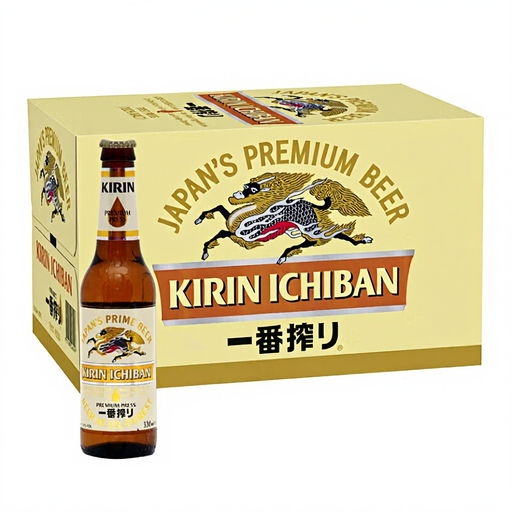
Why it suits this profile: This box of 24 330 ml bottles is ideal for meals and gatherings where individual servings are preferred. According to the product information, the beer contains 5.0% alcohol and rice alongside barley malt.
The fixed quantity and size prevent confusion about the total volume. The ingredients and allergens are included in the product information.
24 bottles of 330 ml; Japanese lager; suitable for serving individual portions.
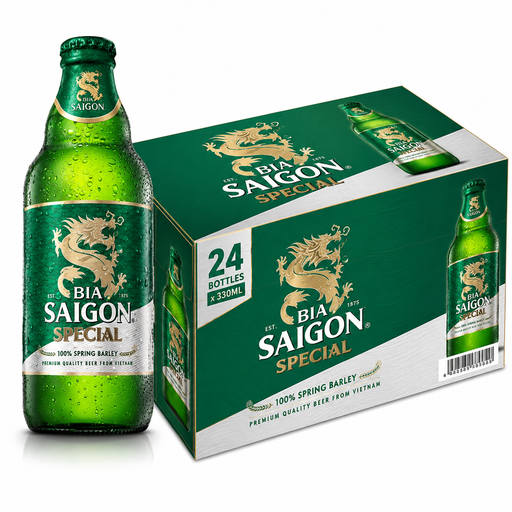
Why it suits this profile: The box of 24 bottles is practical for restaurants, hospitality businesses, parties and larger barbecues. According to the product information, this Vietnamese beer contains 4.9% alcohol and sulphites.
The case size is clearly specified as 24 × 330 ml. The product information lists the origin, alcohol content and allergens.
24 bottles of 330 ml; 4.9% alcohol; suitable for Vietnamese and Asian meals.
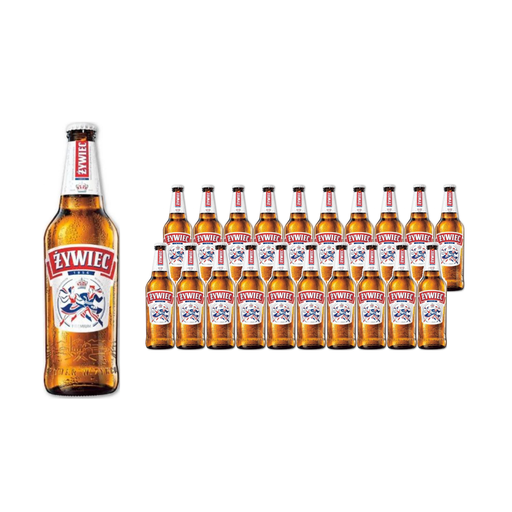
Why it suits this profile: This pack contains 20 bottles of 50 cl, making it suitable for a party or for stocking up when you prefer a larger bottle size.
The product name clearly states the quantity and size. The ingredients list includes barley and hops, allowing you to check the allergens in advance.
20 bottles of 50 cl; 10 litres in total; a practical choice for group use.
We have put together a complete, up-to-date list of products that fully meet these strict selection criteria and the applicable European safety regulations.
Check the origin, beer style, alcohol content, bottle or can size, quantity, ingredients and allergens. Also look at the storage information and estimated shelf life. A product page may show general information; for the most up-to-date details, the label on the packaging is decisive.
That depends on the price per litre, the number of items and the packaging format. Do not compare only the total price; work out the price per litre as well. For example, a crate of 24 × 330 ml contains less beer than 20 bottles of 50 cl, despite the higher number of packages.
330 ml beer is practical for individual consumption and for serving several different flavours at the table. 50 cl beer is better suited to a party, barbecue or hospitality setting when guests want larger servings. Do not store opened bottles for long periods, and serve chilled according to the product instructions.
